
Last updated November 15, 2026
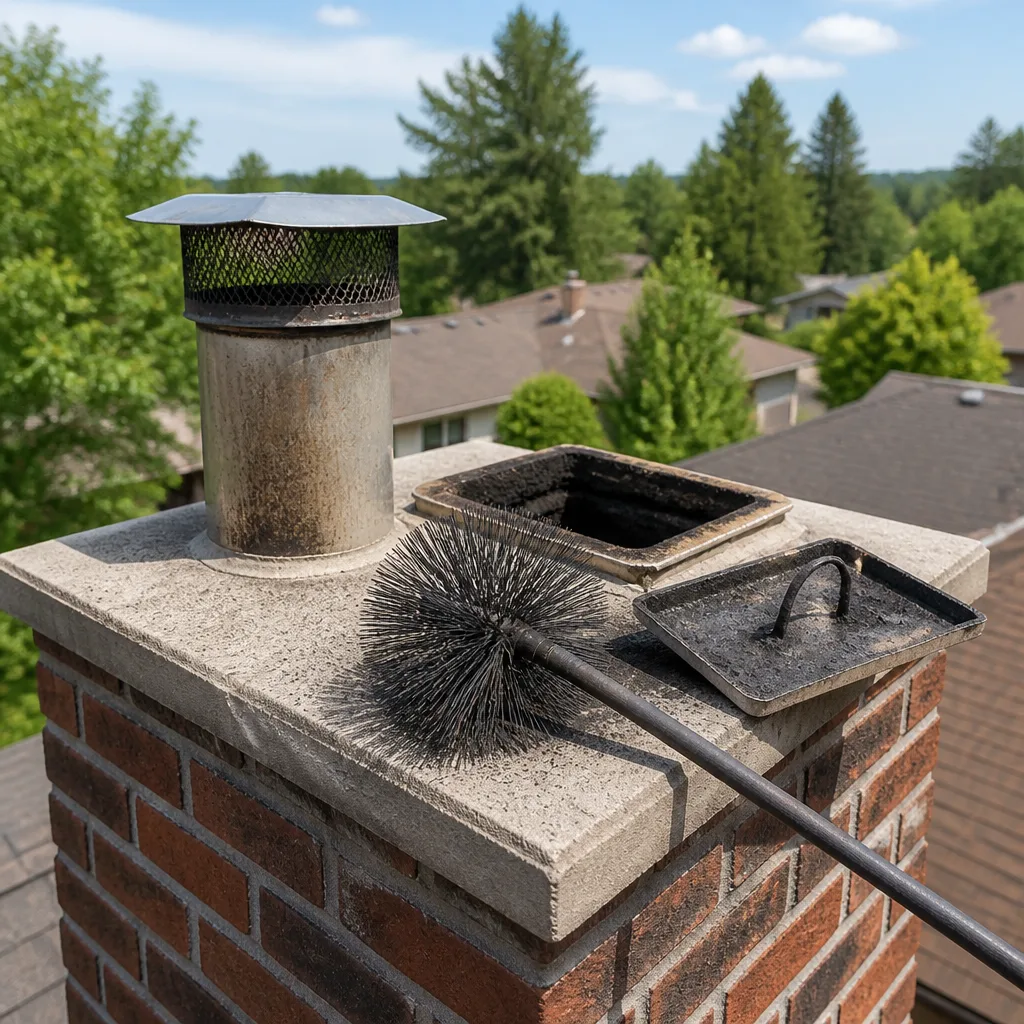 Sweep & inspection
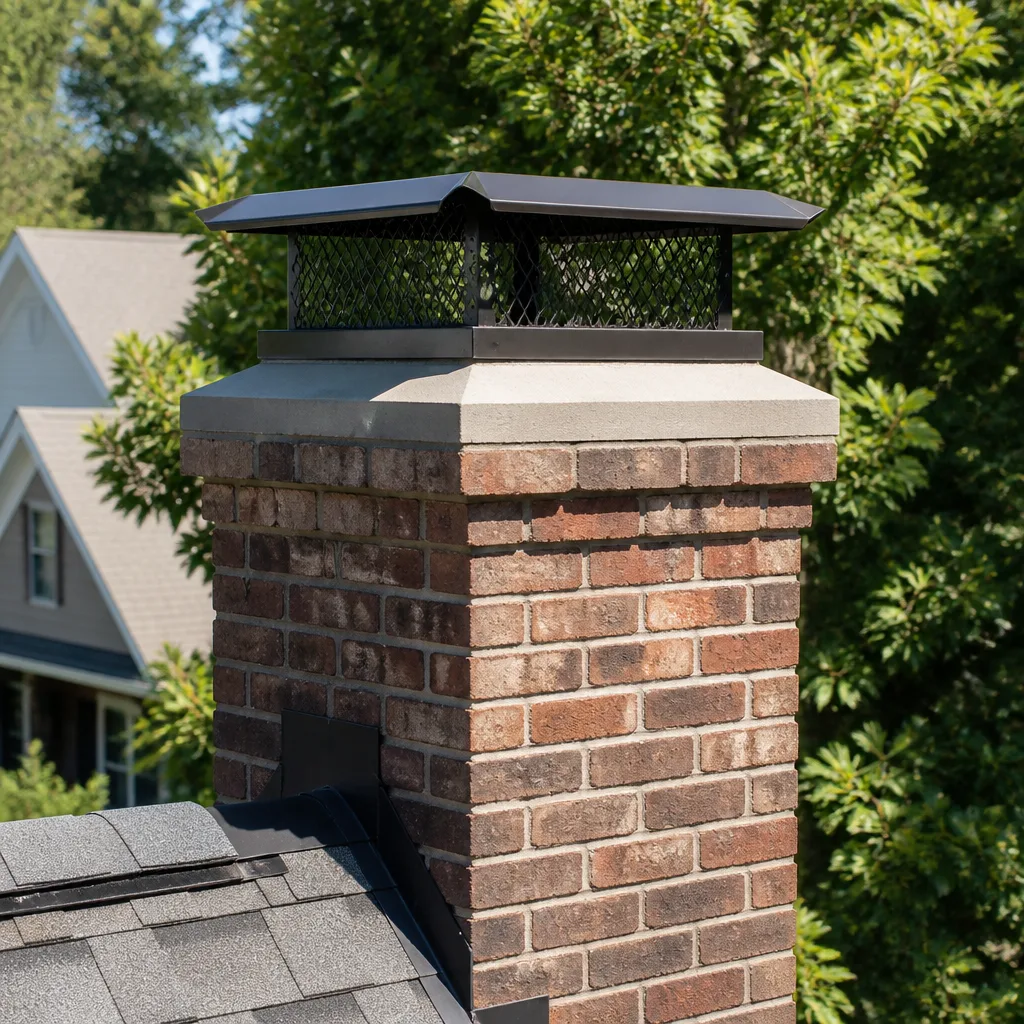 Caps & crowns
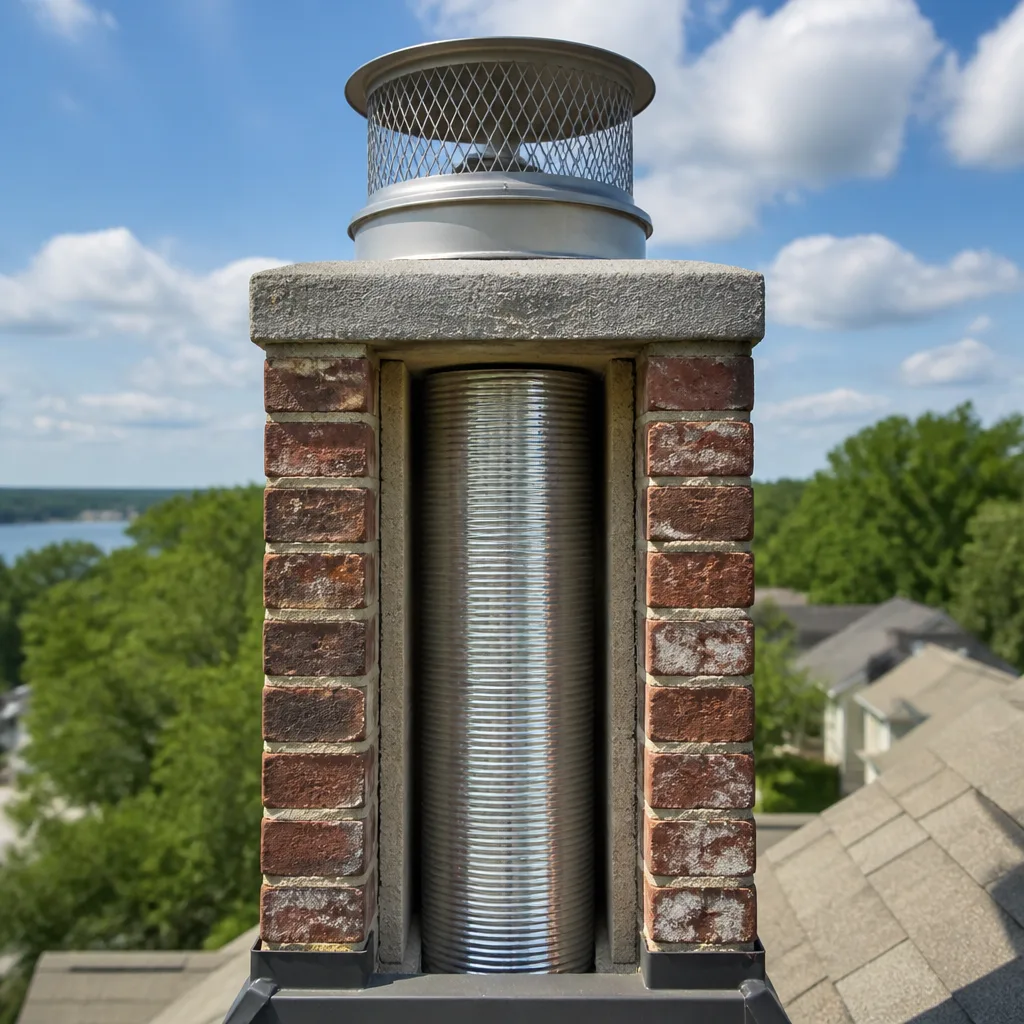 Flue relining
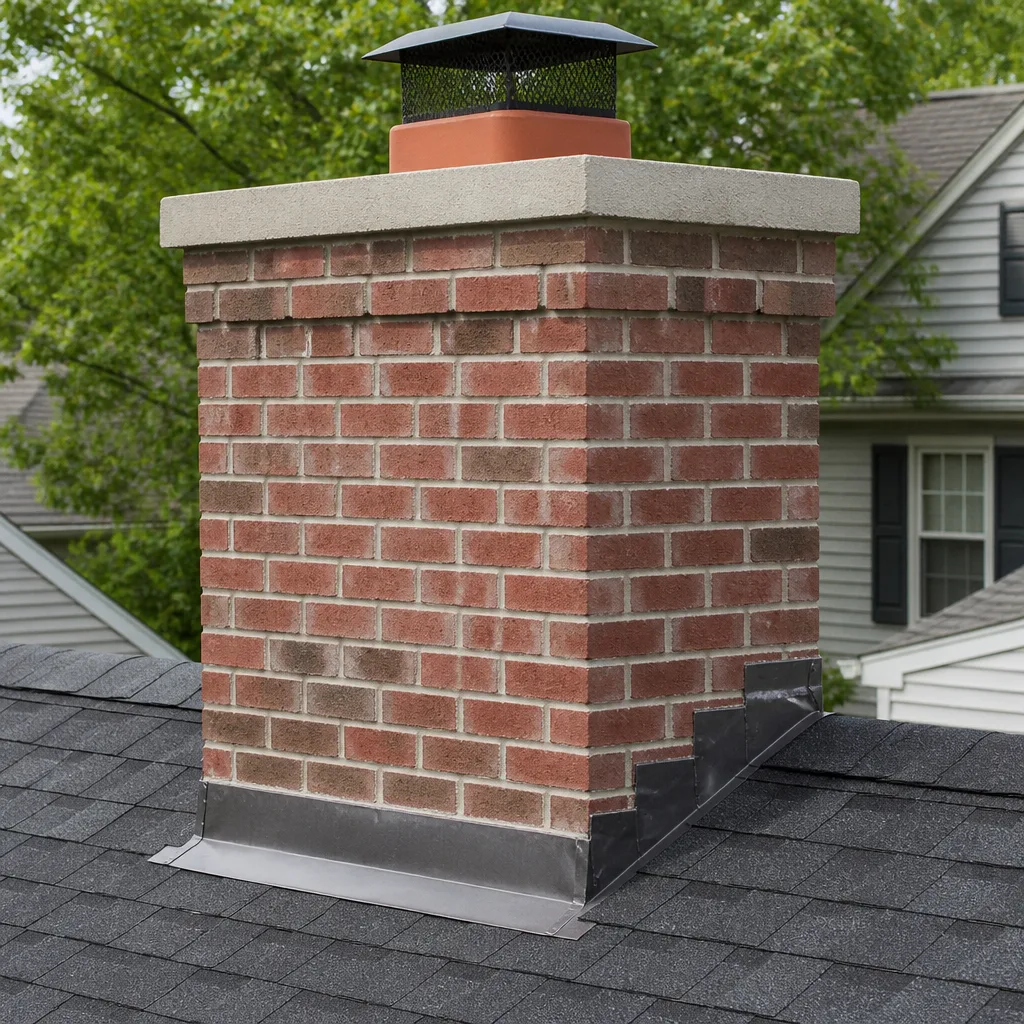 Masonry repair
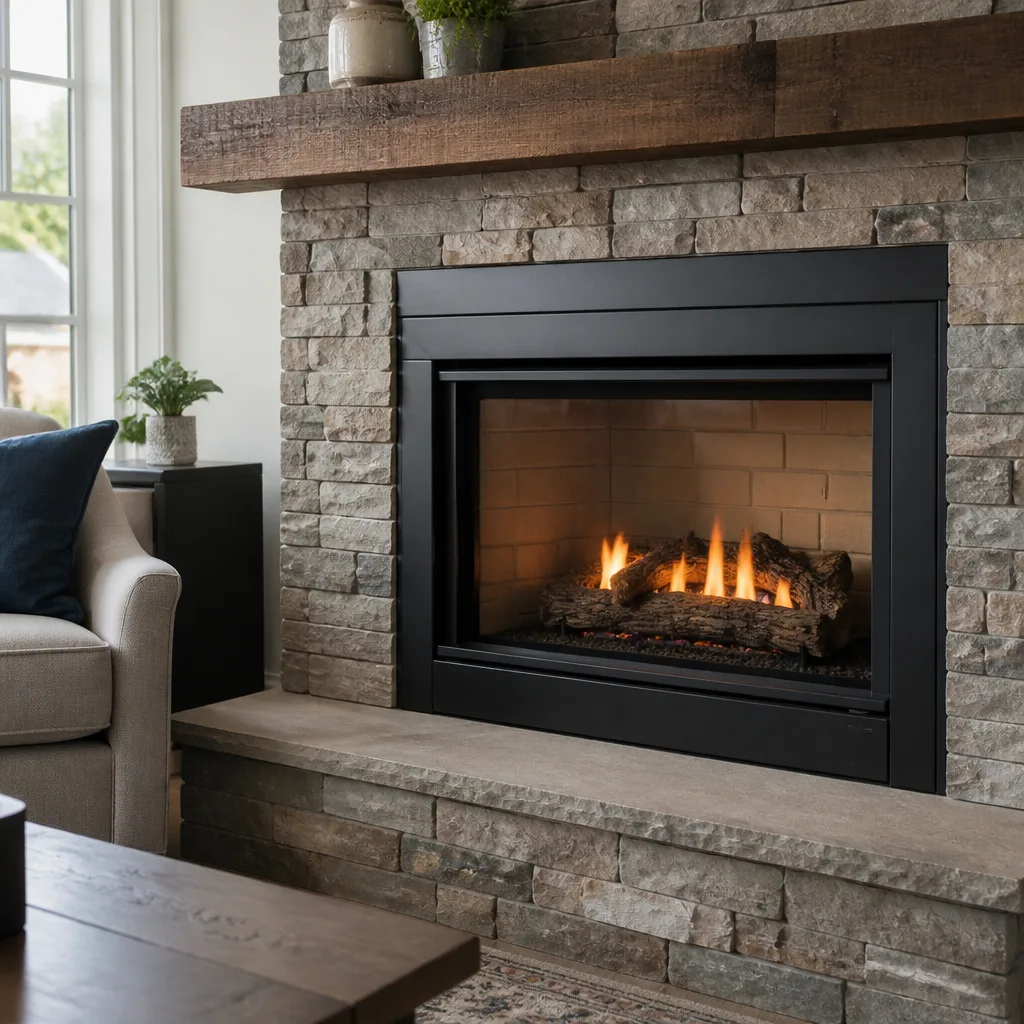 Gas fireplace service
Level 1 sweep and inspection to the NFPA 211 annual standard - flue, crown, cap, and flashing checked and photographed
Chimney sweep logs do not sweep chimneys. They loosen some creosote - which then falls where a brush and vacuum still have to collect it.
Chimney Sweep Maintenance Checklist for Mesa Homeowners
Most chimney maintenance checklists are useless to homeowners because every item on them requires a flashlight, a ladder, and years of training. That’s the problem we hear about from Mesa homeowners again and again: they want to do right by their fireplace, but the list they’re handed starts with “inspect the flue interior” and ends with “call a pro.” Here’s a checklist built differently. Every item below is something you can safely see, hear, or smell from ground level, from inside your living room, or from the hearth – no roof access, no tools. What you’ll learn is what to look for, when in the Mesa calendar to look, what to write down between visits, and the exact point where observation stops being useful and a professional sweep starts.
Quick Answer
A Mesa homeowner’s chimney maintenance checklist has two halves. The half you do yourself covers three zones you can reach safely: the exterior and roofline viewed from the ground, the firebox and damper from inside, and the smell, draft, and smoke behavior of your fireplace during use. The half a professional does covers everything inside the flue – creosote buildup, liner condition, cap and crown integrity, and ventilation. Check your three zones before monsoon season, after monsoon season, and before the first fire of the fall, document what you notice, and book a professional sweep based on how much you burn, not on the calendar.
Styles & brands we work with
- Sweep & inspection
- Caps & crowns
- Flue relining
- Masonry repair
- Gas fireplace service
Table of Contents
- What You Can Safely Check Yourself
- Seasonal Triggers for Mesa: Pre-Monsoon, Post-Monsoon, Pre-First-Fire
- Interior Hearth Clues That Mean You’re Overdue
- How Often Mesa Homeowners Actually Need Professional Service
- What to Document Between Visits
- Where DIY Observation Stops and a Pro Begins
- The Other Exhaust System in Your Home
- What a Professional Sweep in Mesa Actually Covers
What You Can Safely Check Yourself
The homeowner-safe half of the checklist lives in three places you can reach without a ladder. None of it involves opening a flue, removing a cap, or looking down a chimney shaft with a phone flashlight – those are technician tasks, and the risks are real. What you can do is gather observations, and observations are worth more to a technician than you might think.
Zone 1: The Exterior and Roofline, Viewed from the Ground
Stand back from your house on a clear day and look at the chimney from a distance. You’re not climbing anything. You’re comparing what you see today with what you see six months from now.
- Straight or leaning? A chimney that’s visibly out of plumb is a structural question, and it’s one we want to hear about early.
- Cap intact? A missing or damaged cap lets birds, rain, and debris into the flue. If you can’t see a cap on top, that’s a finding.
- Crown condition. The crown is the concrete cap at the very top. Look for visible cracks or missing chunks from ground level. You won’t catch hairline cracks from there, but a broken crown shows.
- Staining or efflorescence. White or dark streaks on the chimney’s exterior can indicate water movement inside the masonry.
- Mortar joints. If you can see wide, crumbly, or missing joints with the naked eye, the masonry is telling you something.
Zone 2: The Firebox and Damper from Inside
Inside, keep your inspection to the firebox and what you can reach by hand.
- Damper operation. Open and close it. It should move without grinding, and it should seat fully.
- Firebox walls and floor. Look for cracked or missing firebrick, spalling, or gaps between bricks.
- The smoke shelf and the visible smoke chamber. You can see the first few feet from the firebox opening with a flashlight. Heavy black glaze there is a sign of creosote you don’t want to guess about.
- Creosote on the firebox walls. Flaky or shiny deposits on the firebox surfaces tell you the flue above it almost certainly has more.
Zone 3: Smell, Draft, and Smoke
The third zone is the interesting one, and it’s the one most checklists skip entirely. Your fireplace drafts, smells, and smokes in ways that telegraph problems before you can see them.
A strong smoky odor on a warm, still day is common in Mesa and usually reflects pressure and temperature – but a persistent smell during cool weather, especially after you haven’t used the fireplace, is worth noting. A draft that feels weak or reversed when you first open the damper, or smoke that lingers in the room rather than pulling up, tells you something about either the flue or the way the house is drawing air. Write it down. A sweep can compare your description against what a camera finds.
Seasonal Triggers for Mesa: Pre-Monsoon, Post-Monsoon, Pre-First-Fire
Most chimney checklists are written for climates with snow and a single cold season. Mesa’s climate turns the calendar into a three-trigger year instead, and each trigger catches a different problem.
Trigger 1: Pre-Monsoon (Late Spring)
Before the summer monsoon pattern arrives, walk your three zones and write down what you see. This is the calm-weather baseline. You’re looking for a stable roofline comparison and, importantly, a clean-looking firebox and hearth. Why now? Because monsoon storms bring wind-driven rain and blowing dust, and by the time they’re done, your ground-level baseline has changed. Without a “before,” you can’t tell whether that new stain on the exterior came from the storm or from something wrong inside.
This is also the right time to look at the chimney cap. A cap that’s already loose going into storm season is a cap that will have more to answer for by fall.
Trigger 2: Post-Monsoon (Early Fall, Before the First Fire)
After the season’s storms have passed, walk the same three zones and compare them to what you noted in spring. New oil-canning on the cap, cracks in the crown, or debris visibly caught at the top? Note it. This comparison is one of the more useful season-specific habits a Mesa homeowner can build, and it takes all of five minutes.
Now, before you light that first fire of the year, run the interior hearth checks and listen for the draft. If the firebox smells or drafts oddly, book a chimney sweep before lighting up rather than after. The first fire of the season is a test the whole system should pass.
Trigger 3: Pre-First-Fire as a Hard Stop
Most Mesa homeowners burn in the winter months, and the firebox has sat largely untouched from spring through fall. That idle period is exactly when things shift – mortar loosens, birds nest, caps move. The pre-first-fire check is non-negotiable in this checklist, because it’s the moment when you haven’t yet committed to a season of burning and the information is fresh.
Interior Hearth Clues That Mean You’re Overdue
You don’t need a camera to catch some of the clearest signs that a cleaning is overdue. You need to notice what your fireplace is already telling you. These are the interior signals that matter most:
The Firebox Smells in Cool Weather
A fireplace that smells smoky or acrid when it’s cool and unused, or that smells persistently even days after a fire, usually carries creosote. Creosote smell intensifies as the deposit thickens. If the smell is stronger than it was last season, that’s a trend worth booking over.
The Fire Drafts Lazy or Smokes into the Room
Smoke spill at lighting, a draft that feels weak when you first open the damper, or smoke that lingers in the room before pulling away all point to air pressure or obstruction. Obstructed flues – whether from creosote, soot, or a nest lodged in the flue – draft worse every season. This is one of the earliest reliable signs.
The Flames Climb Higher or You Get More Smoke
A fire that used to draw clean suddenly needing the flue warmed before it will draft, or one that’s harder to start each fall than it was the year before, is telling you something changed inside the flue. A weak draft test by a technician confirms or rules it out in minutes.
You See Creosote Glaze on the Firebox
If the firebox walls have that shiny, tar-like glaze, the flue above almost certainly has it too. Glazed creosote is the hard deposit, and it does not brush away easily. It’s also the deposit most tied to dangerous chimney fire conditions.
Burn Frequency Has Changed
Started using the fireplace much more this season? Use this as a trigger, not a rule – the right interval depends on how much and how you burn. A fire a few times a month and a fire most nights aren’t the same cleaning interval.
How Often Mesa Homeowners Actually Need Professional Service
The calendar isn’t the right measure. Burn volume is. A Mesa homeowner who lights a fire in the fireplace most winter evenings accumulates creosote far faster than one who burns a handful of times all season, and both deserve an honest answer rather than a once-a-year assumption.
A practical way to think about it:
- Regular, frequent burning (most nights in winter): plan on a professional sweep and inspection once a year, and pair it with the pre-first-fire check. If you also burn green or unseasoned wood, have the sweep look harder at the flue.
- Occasional burning (a few times a month): a professional sweep and inspection every one to three years is reasonable, with the ground-level and interior checks done before each season. Let a sweep’s camera decide, not a calendar reminder.
- Rarely or never burned: the firebox still deserves an initial inspection when you move in or after years of no service, because the flue condition you inherited is unknown.
- Unknown history: treat it as overdue. A first sweep resolves the unknown.
One more Mesa-specific point: the flat, low-draft days that show up during our shoulder seasons make smoke and odor more noticeable than they would be in a colder, windier climate. That’s a reason to be skeptical of “it only smells sometimes, so it’s fine” logic. In our experience, mild-climate homeowners often mistake temperature-driven backdraft for a real problem or a real problem for backdraft. Both are worth a look.
What to Document Between Visits
The single most useful thing you can do between professional visits is write things down. A technician with a good written record gives you a faster, more accurate assessment, and you get a fairer read on whether a recommendation is a real need or a routine finding.
Keep the notes simple. A notebook or a notes app works fine.
- Date and observation, one line each. “Oct 3 – smell stronger than last year,” “Oct 15 – smoked on lighting, second try drafted.”
- What you burned and how often. “Most nights in December-February” gives a technician real information about creosote risk.
- The pre-monsoon and post-monsoon exterior comparison. Note anything you can see from the ground that changed.
- Photos from the same spot in your yard each time. Same angle, same distance. Comparing two photos of the same chimney is much more useful than comparing memory.
- Anything that surprised you. A draft that suddenly felt different, a smell that showed up after rain – those notes are gold to a sweep.
When you share this at the start of a visit, you’re describing the system’s behavior, not just a symptom. That’s when the recommendation that follows is grounded in what your chimney is actually doing.
Where DIY Observation Stops and a Pro Begins
Here’s the honest line in the sand. There are things a homeowner can safely do, and there are things that belong to a trained professional, and the second list should never be attempted without a technician.
Stop and call if any of the following is true:
- You think you see creosote glaze inside the flue. Glazed creosote is the hard, dense deposit that can fuel a chimney fire. You cannot see enough of the flue from the firebox opening to judge its depth, and the inside of a flue is not a place to put your arm or head.
- You’re considering opening the cap to look down from the roof. Roof access is unsafe for a homeowner, and looking down an active flue is a technician’s job.
- You smell gas near a fireplace or a gas component of the appliance. Never troubleshoot a gas smell yourself. Call your gas utility, and then call us for any follow-up.
- The firebox walls show sharp cracks or missing firebrick, or you can see daylight through the flue materials. Cracks open chimneys to heat and carbon monoxide. Stop using the fireplace.
- Your smoke or carbon monoxide alarms have gone off while the fireplace is burning. This is the “call, don’t guess” moment. Get everyone out, ventilate, and get the system inspected before you burn again.
- The chimney is visibly leaning or masonry is crumbling to a visible degree. Structural movement needs eyes on it.
The safest, most useful observation in this entire guide is this: if you see or smell something you don’t have a word for, don’t try to find the word yourself. That’s when a professional assessment earns its place.
The Other Exhaust System in Your Home
Your fireplace isn’t the only exhaust system in a Mesa home, and a maintenance checklist that stops at the chimney has missed half the picture. The dryer vent is the second most common household exhaust fire hazard in any home, and it adds lint buildup to the same category of problem: material that accumulates inside a passage that carries hot air and combustion byproducts.
Here’s what you can check yourself between professional visits:
- Drying time. Clothes taking noticeably longer to dry than they used to is the most common early sign of a clogged vent.
- Heat and smell. A dryer that feels unusually hot on the outside, or that gives off a scorched smell, is a stop-and-check signal.
- Lint at the exhaust outside. A little lint makes it out fine; a visible accumulation at the exterior vent is worth noting.
- The vent path. Where does the vent run? Long runs with bends collect more lint. A flexible foil duct that sags and traps lint is worse than a smooth metal run.
Professional dryer vent cleaning clears what you can’t reach. The connection is safety: lint is fuel, and airflow restricts where you least expect it. If we sweep your chimney and your dryer vent is due, it makes sense to handle both in a single visit rather than schedule two.
What a Professional Sweep in Mesa Actually Covers
The pro half of the checklist is where the things you can’t see get addressed. A professional visit goes well beyond brushing the flue – it’s an assessment, a service, and, where needed, a repair.
At Mesa Chimney Sweep, we don’t just clean – we inspect, diagnose, and repair on the same visit. A typical visit covers:
- Flue cleaning. Creosote and soot removed from the flue, with attention to the deposits your interior checks flagged.
- Camera inspection. We point the camera up the flue and show you what we find. If nothing needs doing, you’ll see it and hear it plainly.
- Liner condition. A cracked or degraded liner is the classic case where a sweep-and-leave service flags the problem and can’t fix it. We can – relining and flue repair are part of what we do.
- Cap and crown condition. Your ground-level roofline notes get answered with a close look.
- Dryer vent cleaning if you need it.
On materials, our repairs use pro-grade products – brands like DuraFlex for flexible liner systems, Olympia Chimney, and Copperfield for caps and components. Those are the kinds of products professional technicians specify, not off-the-shelf substitutes. And when a flue needs resurfacing rather than a full relining, HeatShield resurfacing can restore a damaged flue liner in place. Vent systems we work with include Famco. If that sounds like a different caliber than a sweep-and-leave service, that’s the point: the materials and the repair capability are what let a problem found during a sweep actually get solved.
Common Mistakes to Avoid
- Treating the annual sweep like a calendar appointment. Mesa’s burn season is short and uneven, and how much you burn matters more than what month it is. Base your call on burn volume, smell, draft, and what the ground-level and interior checks tell you.
- Skipping the pre-monsoon photo. Without a “before” photo from the same spot, you can’t tell whether a new exterior stain or cap issue appeared during storm season or was always there. Take the photo every spring.
- Chasing a smell with a scented candle or room spray. If the sum of your checks is “there’s a smell,” that’s information, not a marketing problem. Treat the smell as a clue and have it explained.
- Trying to see inside the flue yourself. The chimney flue is not a look-down-your-phone-flashlight situation. Glazed creosote and liner cracks need camera equipment and training to assess safely.
- Believing a sweep-and-leave visit that flags a problem and can’t fix it. If a sweep tells you the liner is cracked and doesn’t have the tools, materials, or scope to repair, you have a decision to make about who does the follow-up work.
- Ignoring the dryer vent because it isn’t the chimney. Lint is a fire hazard in its own right, and one service call can cover both systems.
- Burning the first fire of the season without a pre-first-fire check. The nine or ten dry months a chimney sits idle each year is exactly when small issues become bigger ones. Check before you light up, not after.
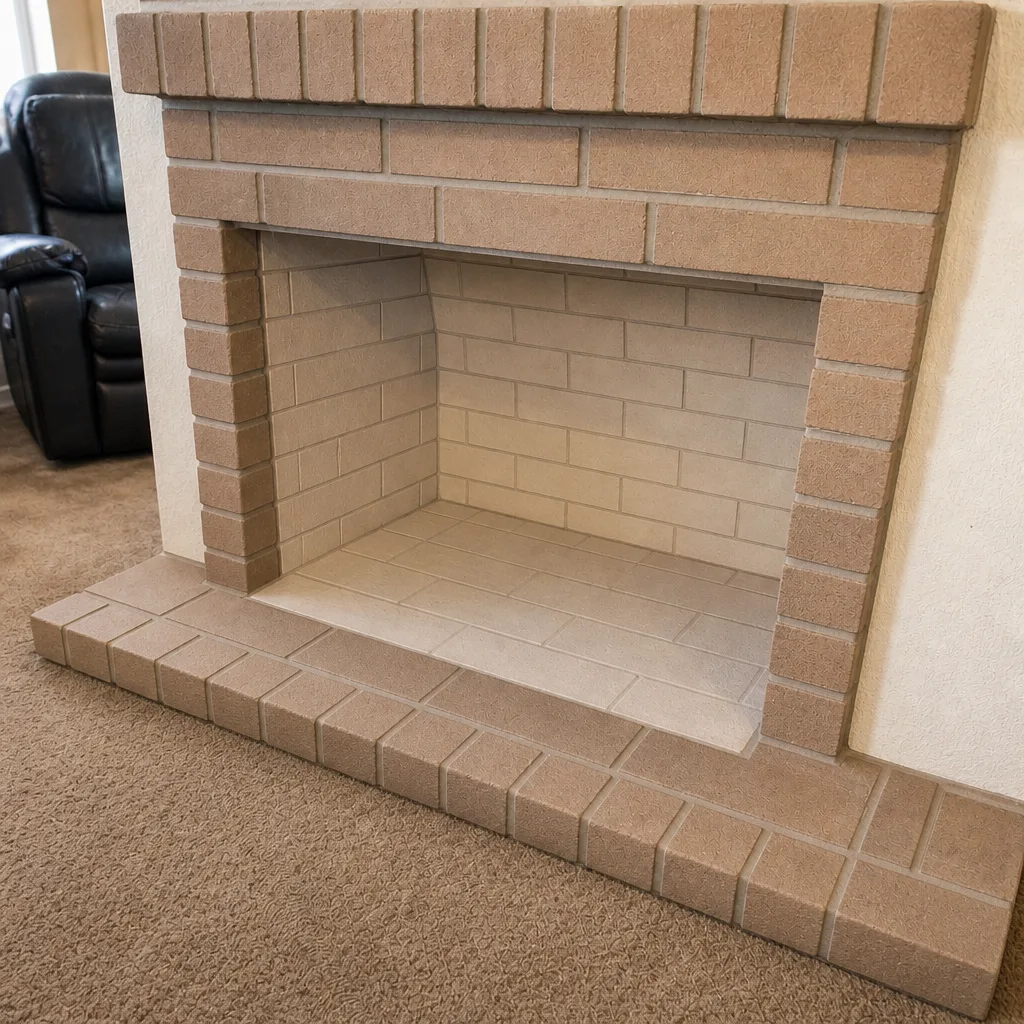
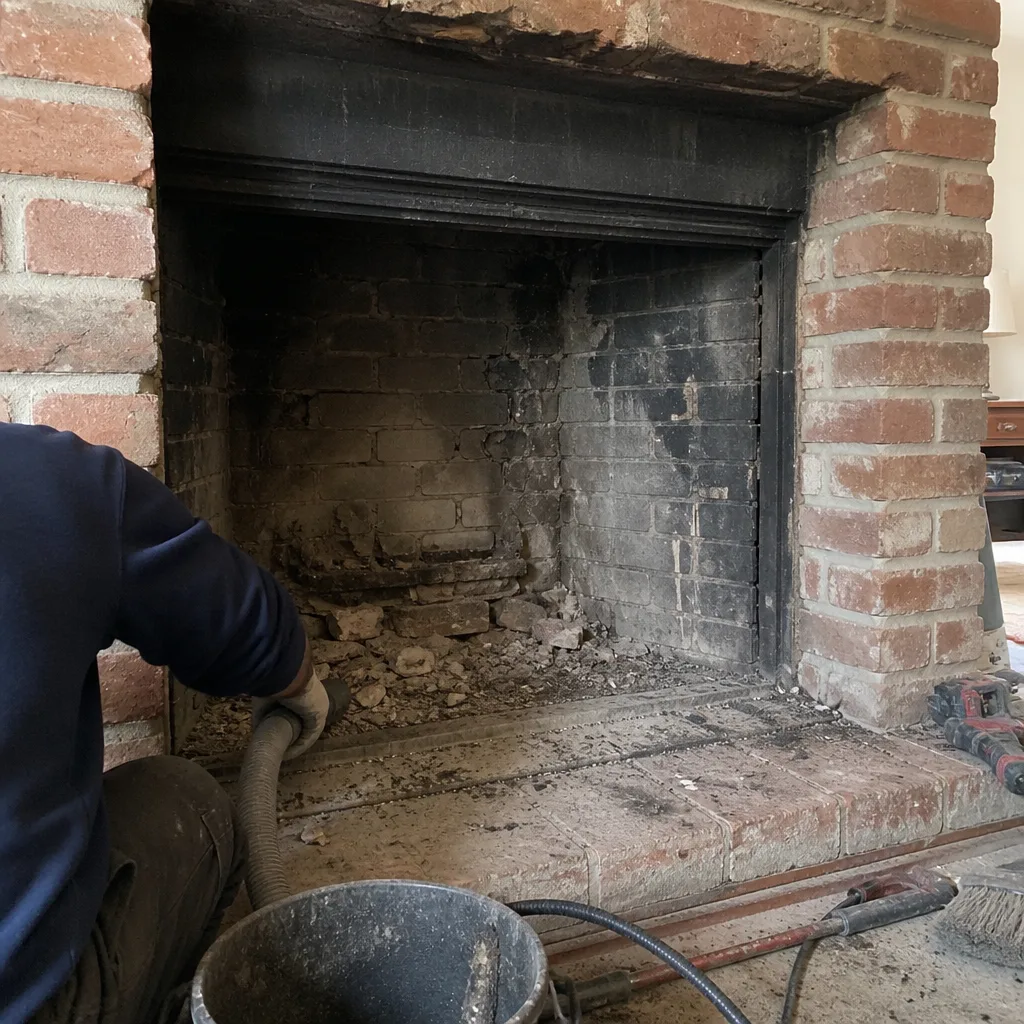
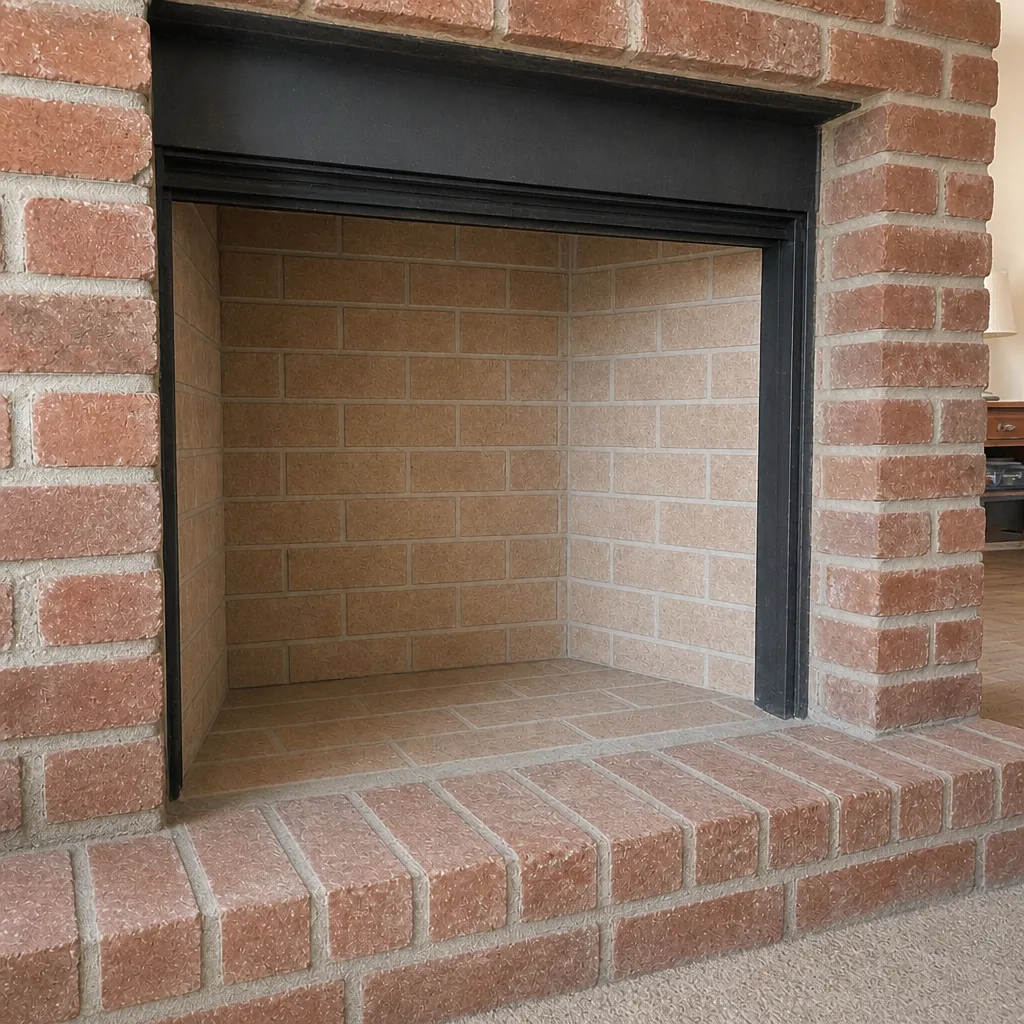
See the difference
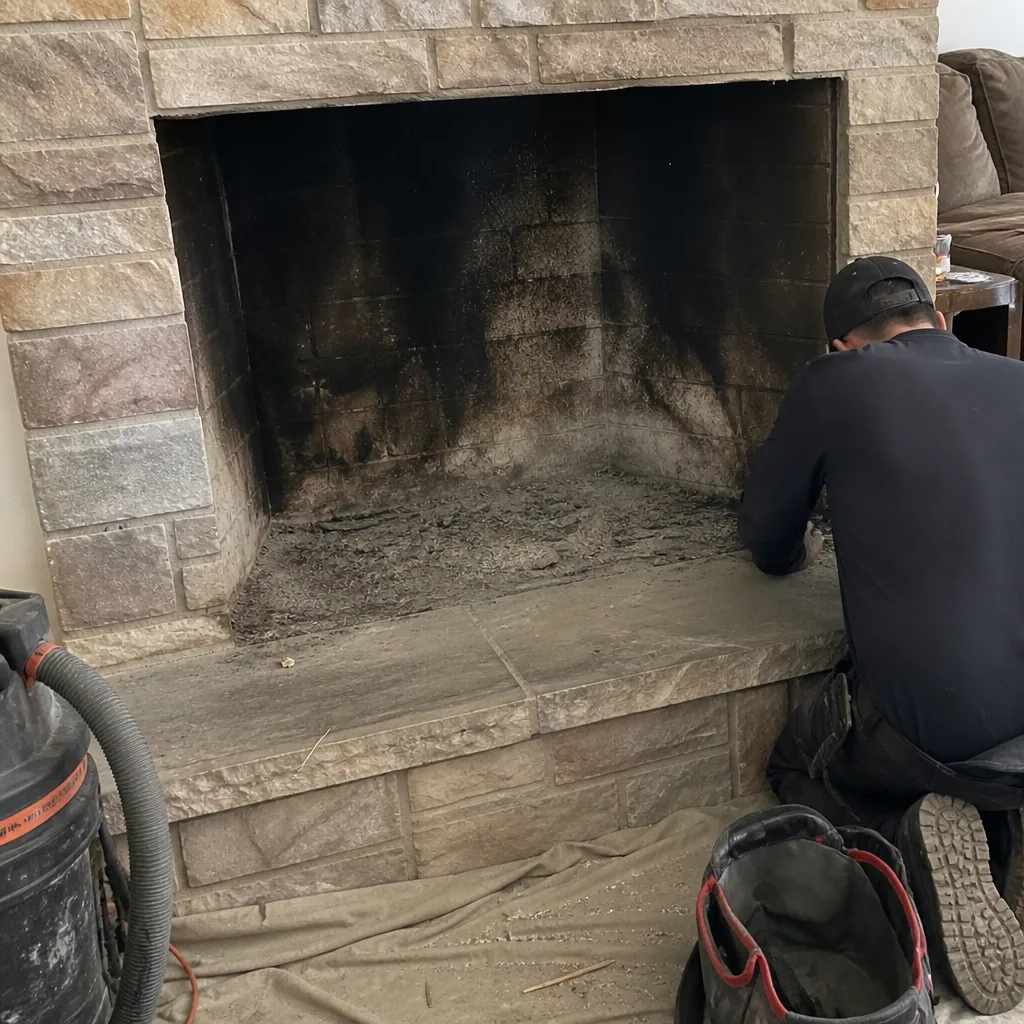 Before
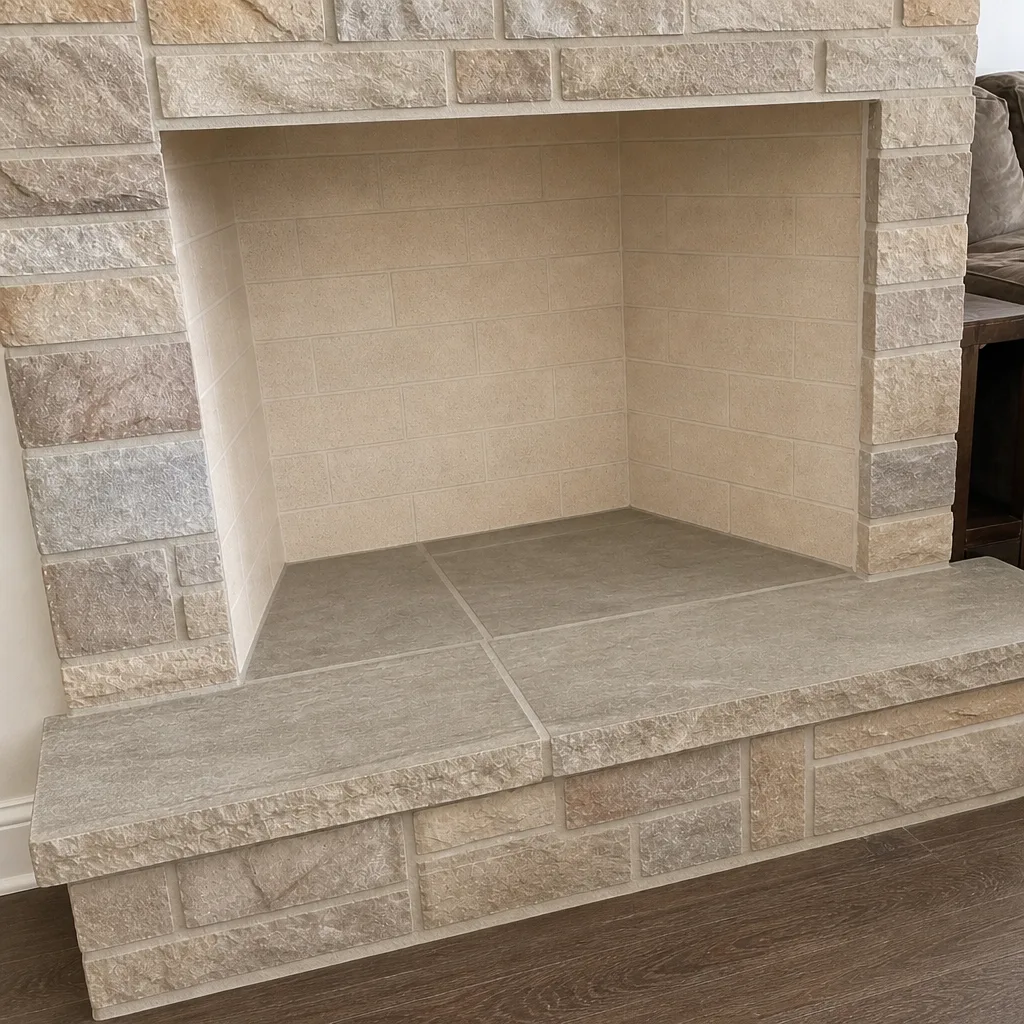 After
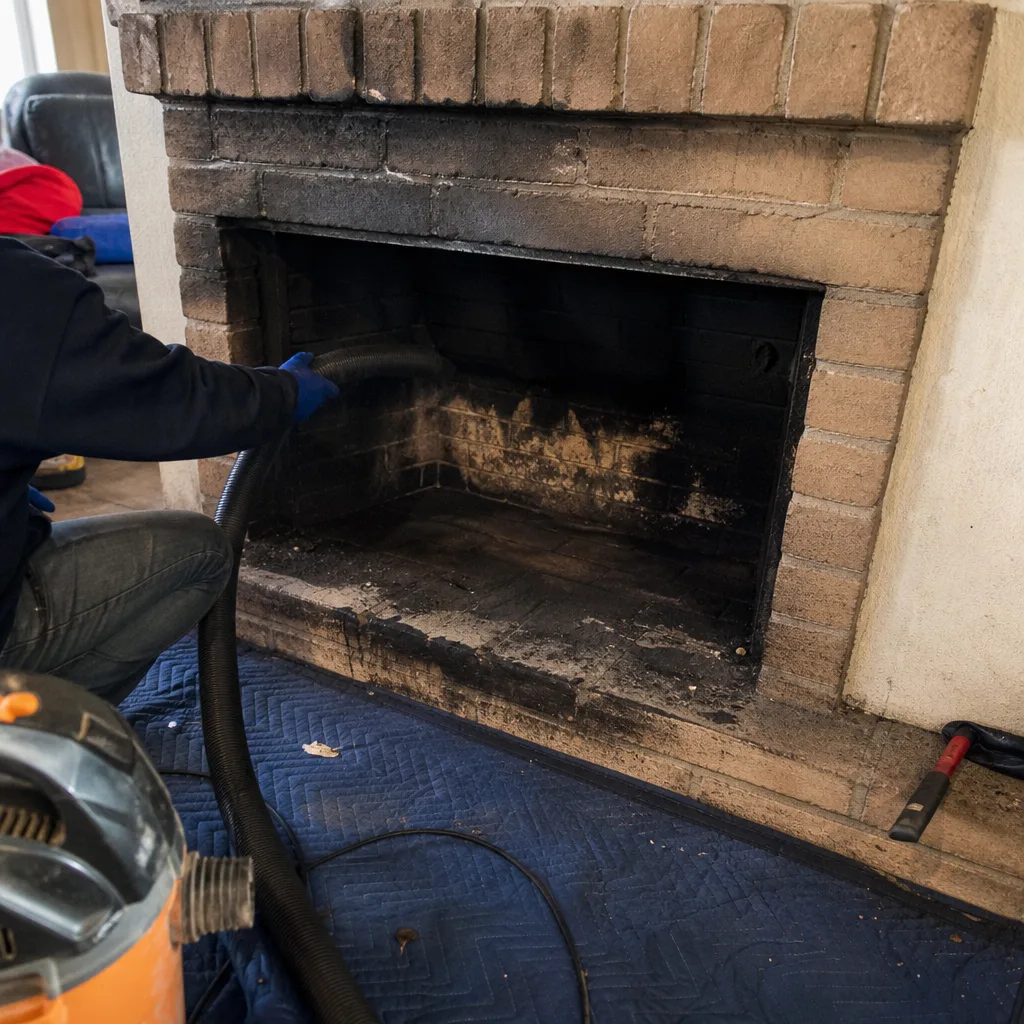 Before
 After
 Before
 After
When to Call a Professional
Call a professional the moment any observation crosses from “noted” to “concerning.” That means creosote glaze in the firebox, a smoky or persistent odor during cool weather, a draft that’s weak or reversed, cracks or missing firebrick in the firebox, a chimney that’s visibly leaning, or anything that makes your smoke or carbon monoxide alarms go off. It also means simply not knowing the condition of a flue you’ve never had inspected. Mesa Chimney Sweep offers free estimates in Mesa – call (866) 796-7711. We answer 24/7. Fast dispatch from 7am to 7pm, Sunday through Friday. You’ll get a written estimate before any work begins, and we show you exactly what we find.
Frequently Asked Questions
Base it on how much you burn, not the calendar. Regular winter burning points to an annual professional sweep and inspection. Occasional burning can go one to three years between sweeps, with your own three-zone checks each season. Rarely-burned or never-inspected chimneys should get an initial sweep so you know what you’ve got. Call (866) 796-7711 for an exact recommendation – estimates are free.
No, not the flue itself. You can safely check the firebox, damper, and the exterior from ground level, and you can note smells and drafts, but opening the flue, looking down it, or handling creosote deposits belongs to a trained professional. The flue is where the fire hazard lives, and the deposits are the part you can’t see. If you’re unsure, book an inspection – free estimates at (866) 796-7711.
A smoky or persistent odor during cool weather, a lazy or reversed draft, smoke spilling into the room on lighting, glazed creosote on the firebox walls, or a fire that’s harder to start than it used to be. Any one of those is a reason to book a sweep. Call (866) 796-7711 and we’ll assess it with a camera and show you what we find.
Only if the liner is genuinely compromised, and the way to know is with a camera inspection you can watch. A cracked or degraded liner does need repair before you keep burning, but not every liner should be replaced. HeatShield flue resurfacing can restore a damaged liner in place when the condition allows, which is often an alternative to full relining. Call (866) 796-7711 for an honest read – free estimates.
Yes, mostly around moisture timing and the monsoon season. Wind-driven rain and blowing dust during monsoon storms make the pre-monsoon and post-monsoon walk-arounds especially useful, and the long idle period from spring through fall is when mortar loosens and birds nest. Our mild winters mean smoke and odor can be misleading on shoulder-season days. Book a sweep and we’ll walk the system with you – (866) 796-7711, free estimates.
Usually a pressure difference between your house and the cold flue, common in Mesa on still, mild days – but it can also be a real deposit or obstruction issue. The way to tell the difference is to note whether the smell is persistent during cool weather and whether the draft feels weak when you open the damper. If it’s persistent, have it inspected. Call (866) 796-7711 for a free estimate.
The Bottom Line
Your chimney maintenance checklist has two halves. The half you do yourself is three zones – the roofline from the ground, the firebox and damper from inside, and the smell, draft, and smoke behavior of the fireplace – checked at three triggers across the Mesa year: pre-monsoon, post-monsoon, and before the first fire. Document what you see. The half a professional does is the flue interior, the liner, the cap and crown, and
the dryer vent. Book based on burn volume, not the calendar. And when anything crosses from “noted” to “concerning” – or you simply don’t know the condition of a flue you’ve never had inspected – stop observing and call a professional. Mesa Chimney Sweep is here to do both halves with you: inspection, cleaning, and the repair capability to fix what we find. Call (866) 796-7711 for a free estimate. We answer 24/7. Fast dispatch from 7am to 7pm, Sunday through Friday. Free estimates in Mesa, and we show you exactly what we find before anything is decided.
Written by the team at Mesa Chimney Sweep.