
Last updated November 15, 2026
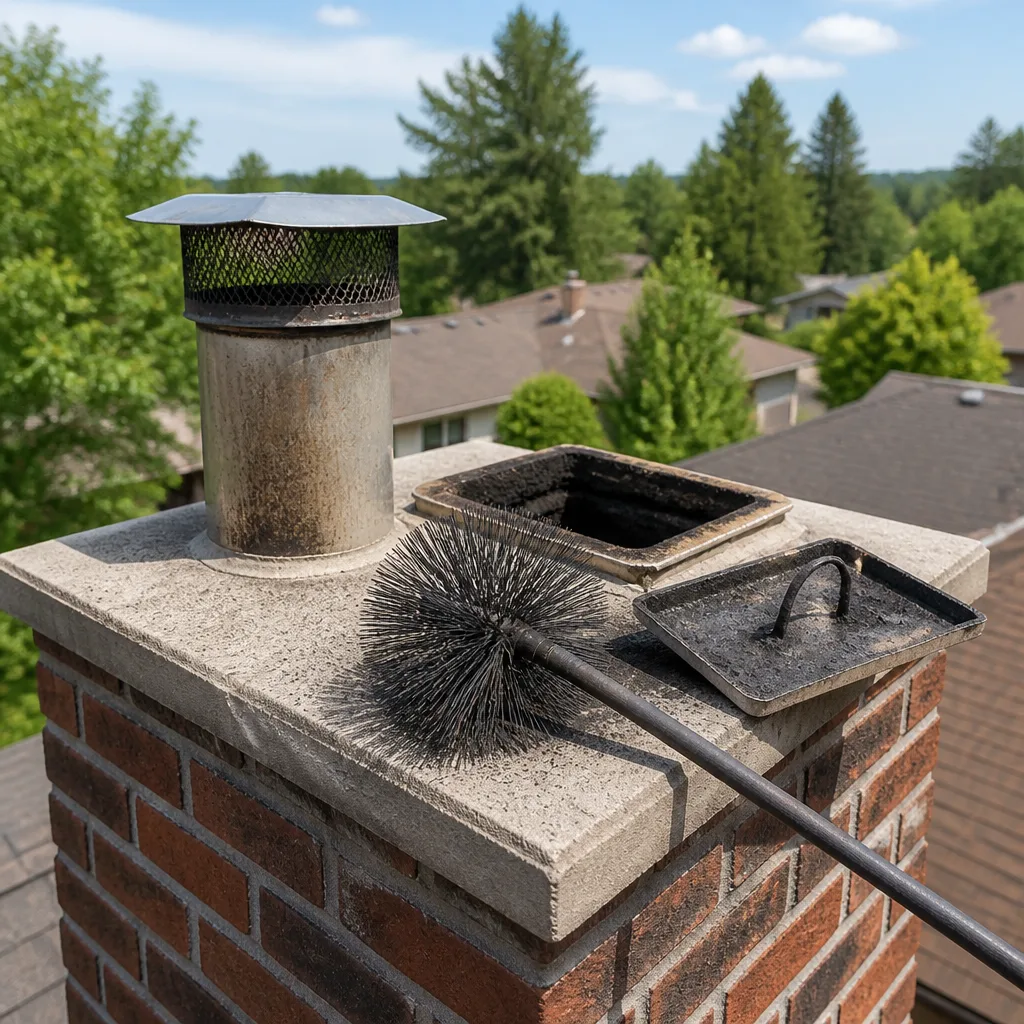 Sweep & inspection
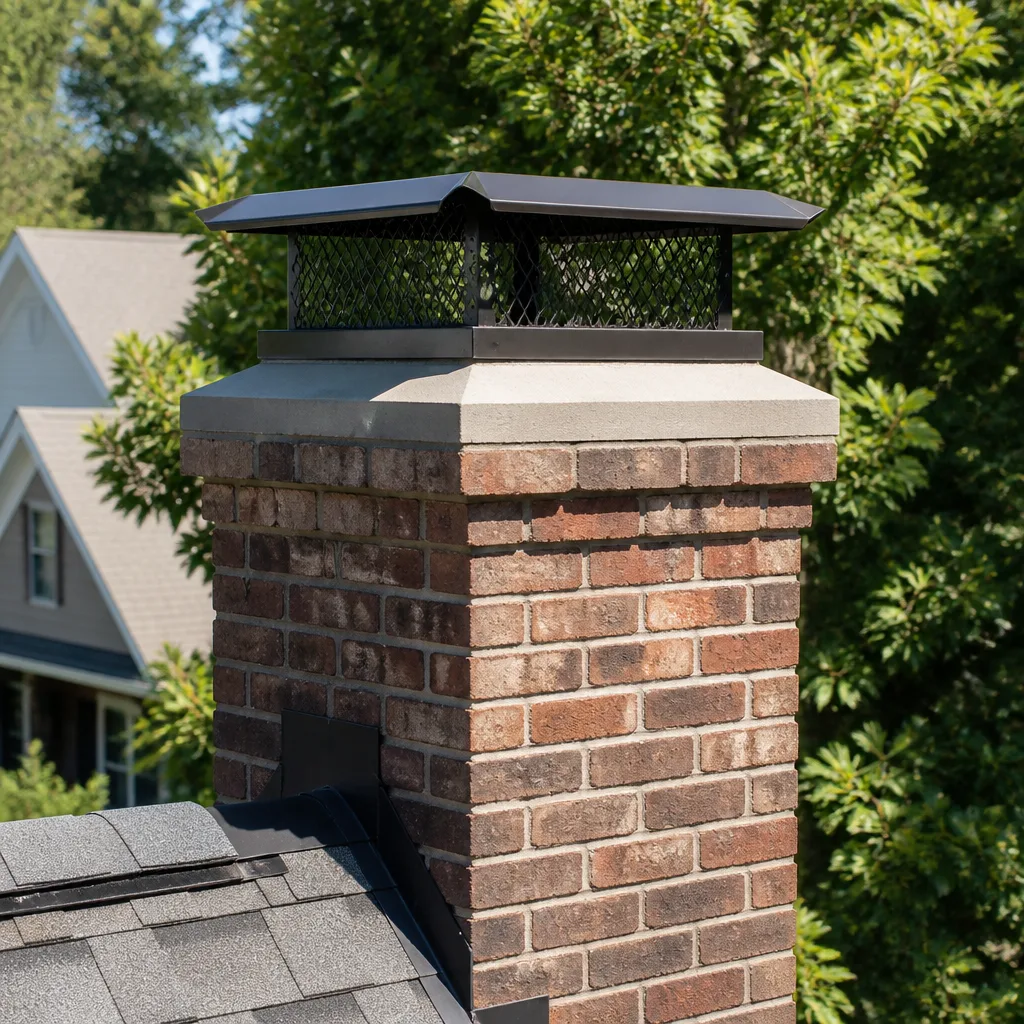 Caps & crowns
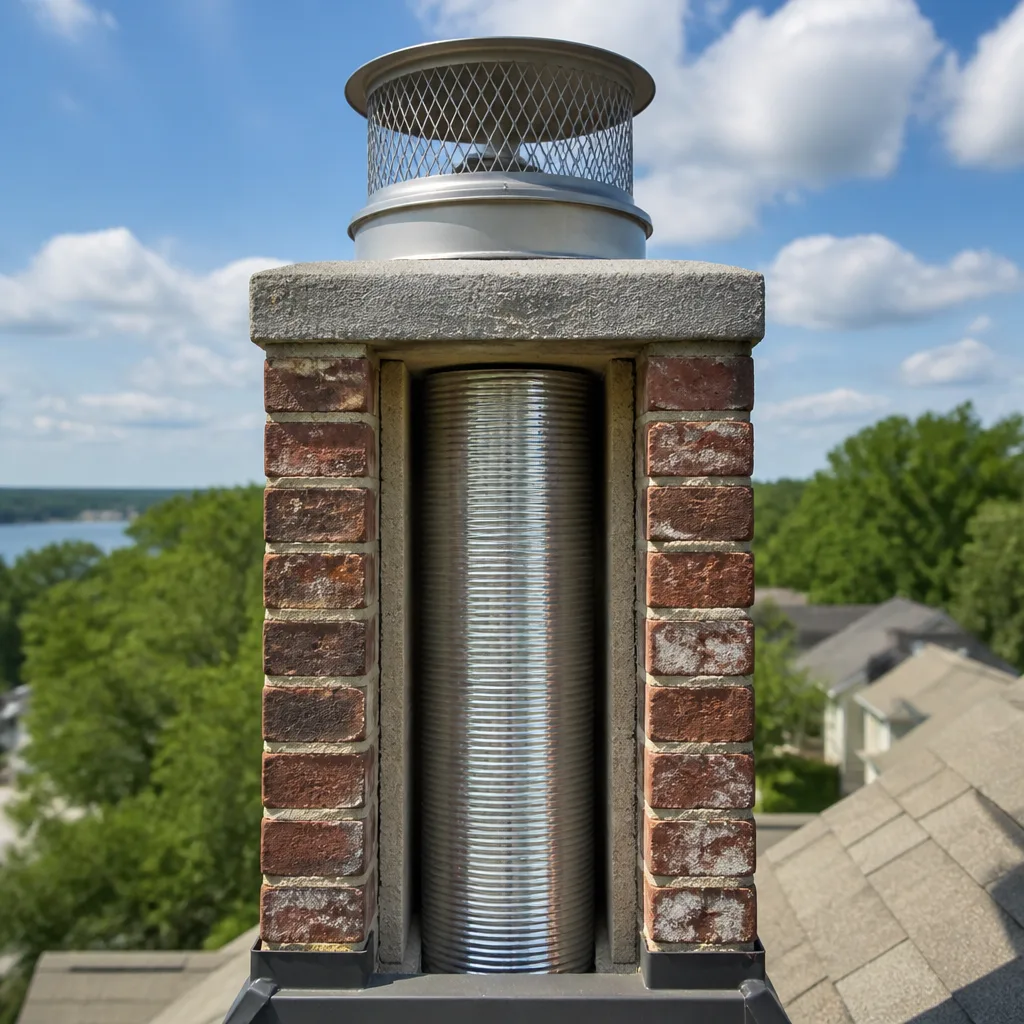 Flue relining
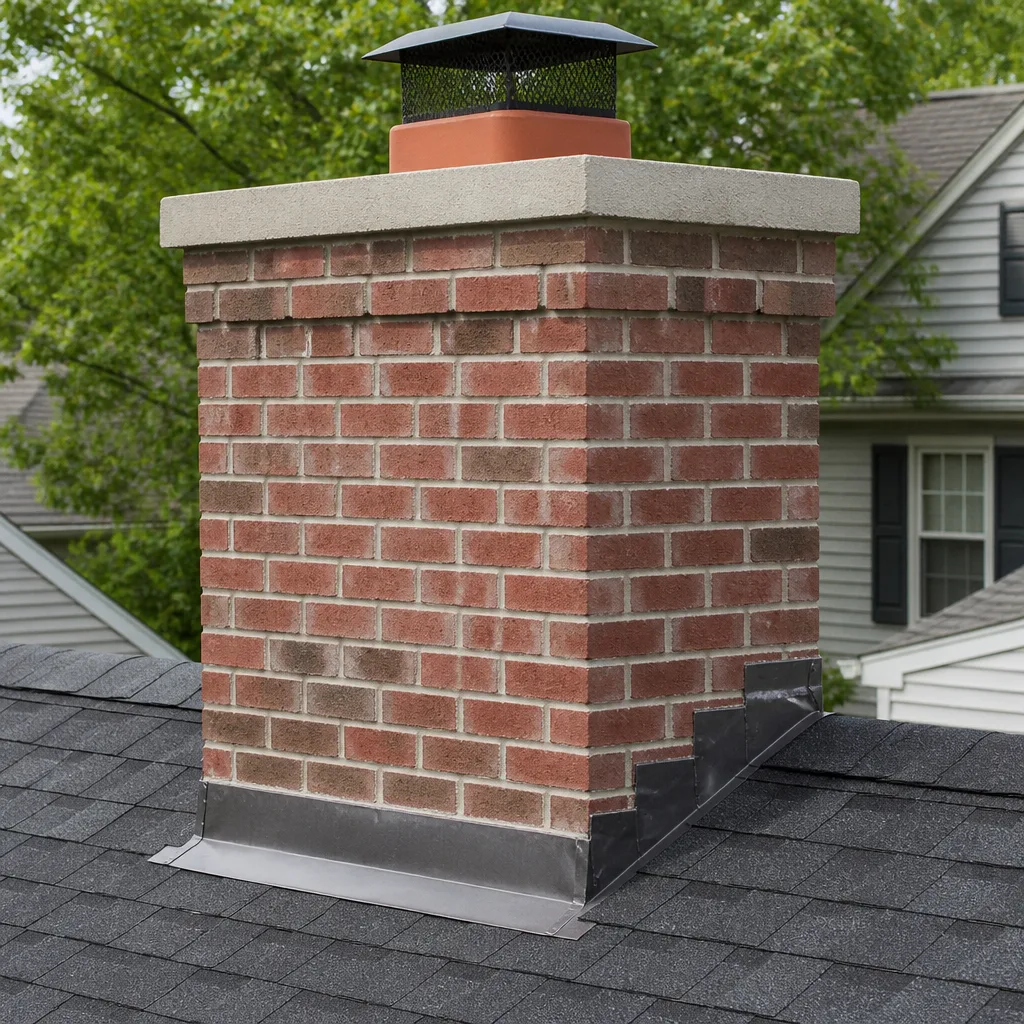 Masonry repair
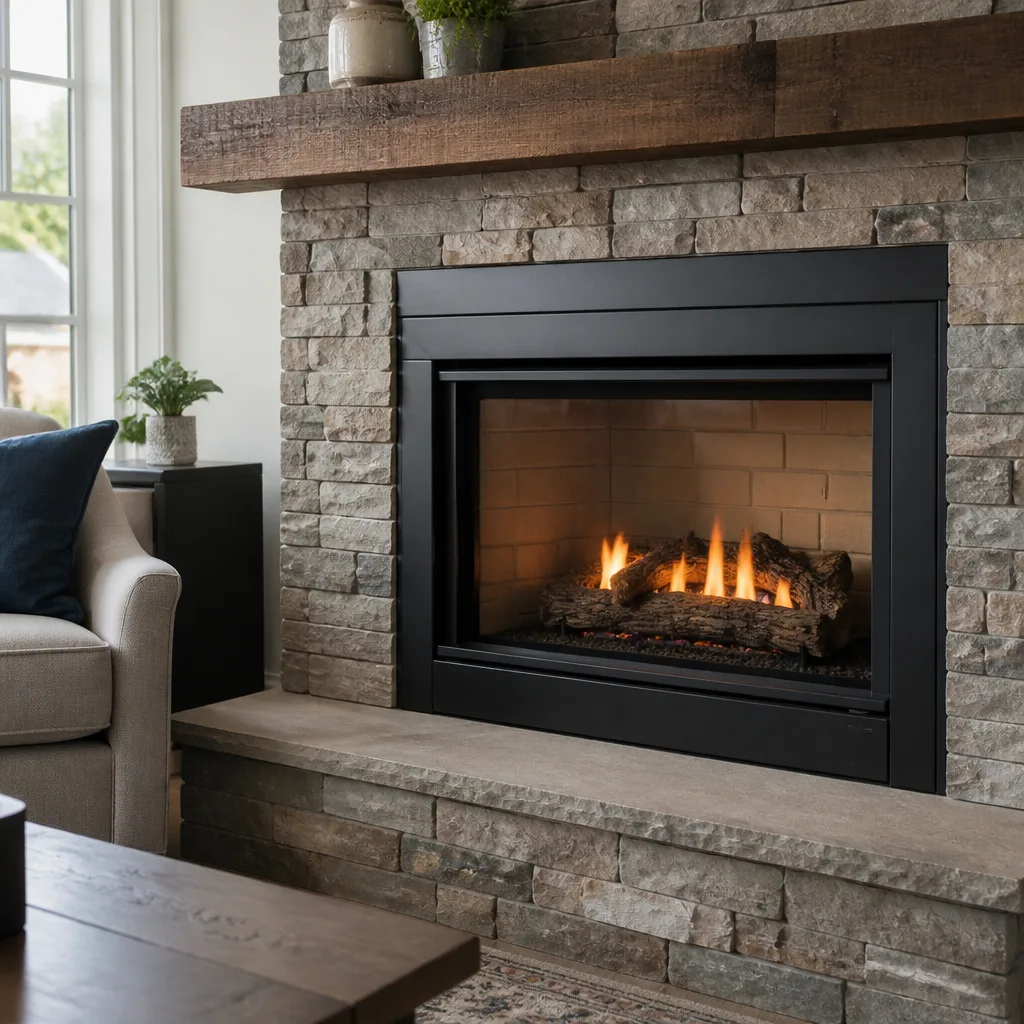 Gas fireplace service
Level 1 sweep and inspection to the NFPA 211 annual standard - flue, crown, cap, and flashing checked and photographed
Chimney sweep logs do not sweep chimneys. They loosen some creosote - which then falls where a brush and vacuum still have to collect it.
Choosing the Right Chimney Cleaning Brand: A Buyer’s Guide for Mesa
Your chimney contractor probably never mentions what brand of liner, crown coat, or cap they’re installing. Ask most homeowners in Mesa what’s inside their flue and you’ll get a shrug. That’s normal. But in a place where summer afternoons push past 110°F and the same sun that cooks your driveway bakes the top of your chimney, the brand of material behind the work is often the difference between a repair that holds and one that fails in a few seasons. This guide is about that detail: what the brands actually mean, where they matter, and what to ask before anyone touches your chimney.
Quick Answer
When chimney professionals talk about “brands,” they mean the materials that go into your chimney: flue liners, crown sealants, caps, and resurfacing compounds, not the cleaning itself. In Mesa, product choice matters most for liners and crown repair, because heat tolerance and resistance to thermal cycling separate professional-grade materials from hardware-store substitutes. Your contractor’s material choices are one of the clearest signals of their overall technical standard.
Styles & brands we work with
- Sweep & inspection
- Caps & crowns
- Flue relining
- Masonry repair
- Gas fireplace service
Table of Contents
- What “Chimney Brands” Actually Refers To
- Professional-Grade vs. Hardware-Store Chimney Products
- Where Brand Choice Matters (and Where It Doesn’t)
- Why Northern-Climate Products Can Underperform in Mesa
- What to Ask Your Contractor About Materials
- How to Verify You Got What Was Quoted
- Reading a Company’s Material Choices as a Quality Signal
What “Chimney Brands” Actually Refers To
Searching for chimney products in Mesa AZ turns up two completely different things, and buyers usually mix them together. The first is a cleaning service. The second is the physical materials a technician installs inside or on top of your chimney. A cleaning brand is a company name. A product brand is what actually protects your home for the next twenty years.
The product categories that carry real brand distinctions include:
- Flue liners – the flexible stainless systems that give your chimney a continuous, sealed path for smoke and gases. DuraFlex is one we specify for relining jobs where the original clay tile is cracked or missing.
- Resurfacing compounds – HeatShield is the standout here. It restores a damaged flue from the inside rather than tearing the chimney apart, which is a different kind of repair entirely.
- Crown sealants – the flexible coating that keeps water out of the masonry at the top. Gelco crown coat is a common professional choice because it moves with the masonry instead of cracking off in one season.
- Caps and dampers – Olympia Chimney and Copperfield both make caps and top-sealing dampers that hold up to sun and monsoon weather. A cheap cap warps. A good one lasts.
- Mortar and refractory materials – Famco products show up in firebox and mortar repair where heat resistance matters.
What usually isn’t branded in any meaningful way: brushes, rods, vacuums, and drop cloths. Those are tools. The materials that get installed are where the brand conversation belongs, and that’s what the rest of this guide focuses on.
Professional-Grade vs. Hardware-Store Chimney Products
The gap between a professional-grade liner and a boxed substitute shows up in two places: heat tolerance and lifespan. A liner rated for a wood-burning flue has to handle sustained high temperatures without warping, cracking at the seams, or losing its seal. The seal is the whole point. A liner exists to keep combustion gases inside the flue and out of your living space.
- Heat tolerance. Professional liners are tested and rated for the temperatures a wood fire produces. Boxed substitutes are often thin-walled and rated more loosely, if at all.
- Lifespan. A properly installed pro-grade liner should outlast several rounds of roofing and remodeling. Thin substitutes tend to fail at the seams or joints first.
- Installation compatibility. Pro-grade systems come with the connectors, insulation, and termination hardware designed to work with them. Hardware-store parts often don’t match, and mismatched parts are where leaks begin.
- Warranty support. Brands like DuraFlex, HeatShield, Gelco, Olympia Chimney, Famco, and Copperfield exist to serve the trade, which means their products carry installation requirements and support that a general retail product doesn’t.
This isn’t about brand snobbery. It’s about what happens when a product meets Mesa’s summer heat on the roof and a 400-degree flue interior at the same time. We’ve seen the difference between a liner that was specified for the job and one that was bought off a shelf. The cheap one usually shows up as a problem in a few seasons, and by then the homeowner has paid twice.
Where Brand Choice Matters (and Where It Doesn’t)
Not every product in a chimney sweep’s kit deserves scrutiny. Some categories reward a brand premium and some are commodity items where any quality tool performs the same. Knowing the difference keeps you from overpaying on the wrong thing and underpaying on the right one.
Where brands genuinely matter
- Liners. This is the single most important product choice in chimney work. A liner is a structural, life-safety component. DuraFlex flexible lining systems are the kind of product professionals specify because they hold up to the heat cycles a regularly used fireplace produces.
- Resurfacing compounds. HeatShield flue resurfacing is a specialized process. Only technicians trained on the product can apply it, and the material has to bond and cure correctly. This category is not a commodity. A general handyman simply cannot offer it.
- Crown sealants. A crown is your chimney’s roof. Gelco crown coat is a flexible, weather-resistant sealant designed to move with masonry instead of cracking. A cheap rigid patch fails the first time the sun and a cool night push the crown in opposite directions.
- Caps and top dampers. These sit in direct sun, wind, and rain. Olympia Chimney and Copperfield caps are built for that exposure. A flimsy cap will rust, warp, or tear off in a monsoon gust.
- Mortar and firebox material. Famco mortar and refractory products are made for heat. Standard construction mortar is not, and it breaks down in a firebox.
Where brands largely don’t matter
- Brushes and rods. Any professional-grade brush set does the job. The technique matters more than the label.
- Vacuum equipment. A high-efficiency HEPA vacuum with proper containment is what counts, not the sticker on the side.
- Drop cloths, ladders, and inspection cameras. These are tools, not installed materials. Their brand tells you nothing about the work quality.
The shortcut: if it’s installed and stays in your chimney, ask about the brand. If it’s a tool that leaves with the technician, don’t worry about it.
Why Northern-Climate Products Can Underperform in Mesa
A lot of chimney products are developed and tested for cold-winter markets. Those climates cycle between freezing and thawing, and the products are formulated to survive that. Mesa is a different environment. Winters here are mild. The real stress comes from the opposite direction: long stretches of intense dry heat, followed by rapid cooling after the sun goes down, driven by thermal cycling across a broad temperature swing day after day.
That cycle matters for materials in specific ways:
- Sun exposure on the crown and cap. A roof-level product in Mesa faces years of direct UV and 110°F summer heat. Material that was never formulated for that can chalk, dry out, and crack.
- Thermal expansion and contraction. Masonry and metal expand and contract with temperature swings. A flexible sealant is designed to move with them. A rigid one cracks. Rigid products fail faster here than they would in a cooler climate.
- Dust and debris accumulation. Mesa’s dry, dusty air means more airborne particles settle on caps, crowns, and the exterior of the chimney. Products with tight seams and smooth surfaces handle that better.
- Dry-season fire risk. A chimney with a cracked crown or failing liner is more exposed when everything around the home is dry. That’s a general safety reason to check rather than ignore a failing component, not a specific hazard tied to any one product.
This is why a material choice made for a cold-weather market doesn’t automatically translate to Mesa. Professional brands designed for the widest range of climates tend to hold up better. The question to ask any contractor is simple: is this product rated for the heat it will actually see on this roof?
What to Ask Your Contractor About Materials
The best way to evaluate a contractor’s material choices is to ask direct questions before work is scheduled, and to expect specific answers. A technician who works with pro-grade brands will answer without hesitation. A technician who doesn’t will get vague, and vagueness is the signal.
- What brand of liner are you specifying, and why? A good answer names the product and explains the match to your flue. A bad answer says “stainless” without more detail.
- Is the liner insulated? Insulation is a separate component that affects performance and safety. Ask whether it’s included in the quoted price.
- What crown repair product are you using? Flexible crown coat (like a Gelco product) is different from a rigid patch. Ask which one and why.
- Can you show me the product literature or label? Pro-grade materials come with manufacturer documentation. A contractor who can pull it up on a phone has nothing to hide.
- Is this a resurfacing job or a full reline? HeatShield resurfacing restores a flue from inside. A full reline installs a new liner. The right call depends on the damage. Ask how they decided.
- What does the written estimate include? Materials, labor, insulation, and disposal should be enumerated, not lumped into one line.
A company that stocks and installs a defined set of professional-grade materials, rather than whatever’s on a shelf, is telling you something about how it works. When you call Mesa Chimney Sweep for chimney sweep service, for example, the conversation about materials starts before the appointment, not on the roof.
How to Verify You Got What Was Quoted
Most homeowners don’t know what a HeatShield Application looks like or how to tell a DuraFlex liner from a lesser product once it’s inside a flue. You don’t need to be a technician to check. You need the written estimate in hand and a camera inspection to look at.
A five-step verification process
- Read the estimate before work starts. Product names, model numbers where listed, and the scope of work should be written out. If the brand isn’t named, ask before signing.
- Ask for the camera inspection footage. Before and after video of the flue is standard practice on professional jobs. It shows you the damage and the repair.
- Check the product label or packaging. Pro-grade materials are labeled. You have every right to ask to see the label on the liner that’s going in, and a contractor should be happy to show it.
- Ask for manufacturer documentation on the installed product. Liner systems come with documentation. If a resurfacing job was done, ask for confirmation of the product used.
- Confirm the warranty path. Warranty terms vary by product and installation. Ask what coverage applies to the material you paid for, so you know how to use it if something goes wrong.
The point isn’t to catch anyone out. It’s to make sure the brand you were quoted is the brand you got. In our experience, the contractors who do this well are the ones most comfortable being asked. If someone resists showing you documentation, that’s a reason to slow down, not a reason to argue. If you’re still in the research phase on who to hire, see our guide to Mesa Chimney Sweep and what a full-service scope looks like.
Reading a Company’s Material Choices as a Quality Signal
A company’s material choices tell you more about its standards than its advertising does. It’s easy to say you do quality work. It’s harder to justify stocking professional-grade brands if you’re not set up to install them correctly, and it’s harder still to keep those materials on hand for the jobs that need them.
Here’s what to look for:
- Specific brands, named. A company that works with DuraFlex, HeatShield, Gelco, Olympia Chimney, Famco, and Copperfield can tell you what those products are for. A company that says “premium materials” without more detail is telling you less than it thinks.
- Repair capability, not just cleaning. A sweep-only operation can find a problem and hand you a referral. A company that does chimney repair and relining can fix what it finds, which means its material choices are grounded in actual installation work.
- Resurfacing as an option. HeatShield flue resurfacing requires specific training and product. A company that offers it can often save a flue without a full teardown, and that’s a choice most low-cost sweeps can’t present.
- Complete scope under one roof. Cleaning, repair, and ventilation are three different skill sets. A company that does all three can give you a safety assessment of your whole exhaust system, not just the chimney. That’s also why we offer dryer vent cleaning alongside chimney work. Your dryer vent is the other exhaust pathway in your home, and both deserve professional attention.
None of this replaces a written estimate. It’s context for reading one. A quote that names the materials and explains the choices is more useful than the lowest one on the page.
Common Mistakes to Avoid
- Choosing on price alone. The cheapest quote often reflects a commodity material. In Mesa, a liner or crown that wasn’t made for the heat will cost more to replace than it did to install. Ask what’s in the quote, not just what the total is.
- Not asking about the liner brand. Most homeowners never ask. If you only ask one question, ask which liner system is being specified and why. The answer tells you almost everything.
- Assuming a “stainless” label is enough. Stainless steel is a category, not a standard. The rating and construction matter more than the generic word.
- Skipping the camera inspection. A repair you can’t see isn’t a repair you can verify. Before-and-after video should be standard, not an add-on.
- Letting a sweep-only company sell a full reline. If a company can only clean, they can’t restore a flue with HeatShield resurfacing. You may be offered a bigger job than you need because it’s the only tool available.
- Ignoring the dryer vent. A dryer vent gathering lint is a fire risk independent of the chimney. If you’re booking a sweep for a Mesa home and the dryer vent hasn’t been cleaned in years, ask about it on the same visit.
- Trusting the quote without documentation. Product labels, inspection footage, and written estimates are manageable for any professional. If you can’t get documentation, ask why.
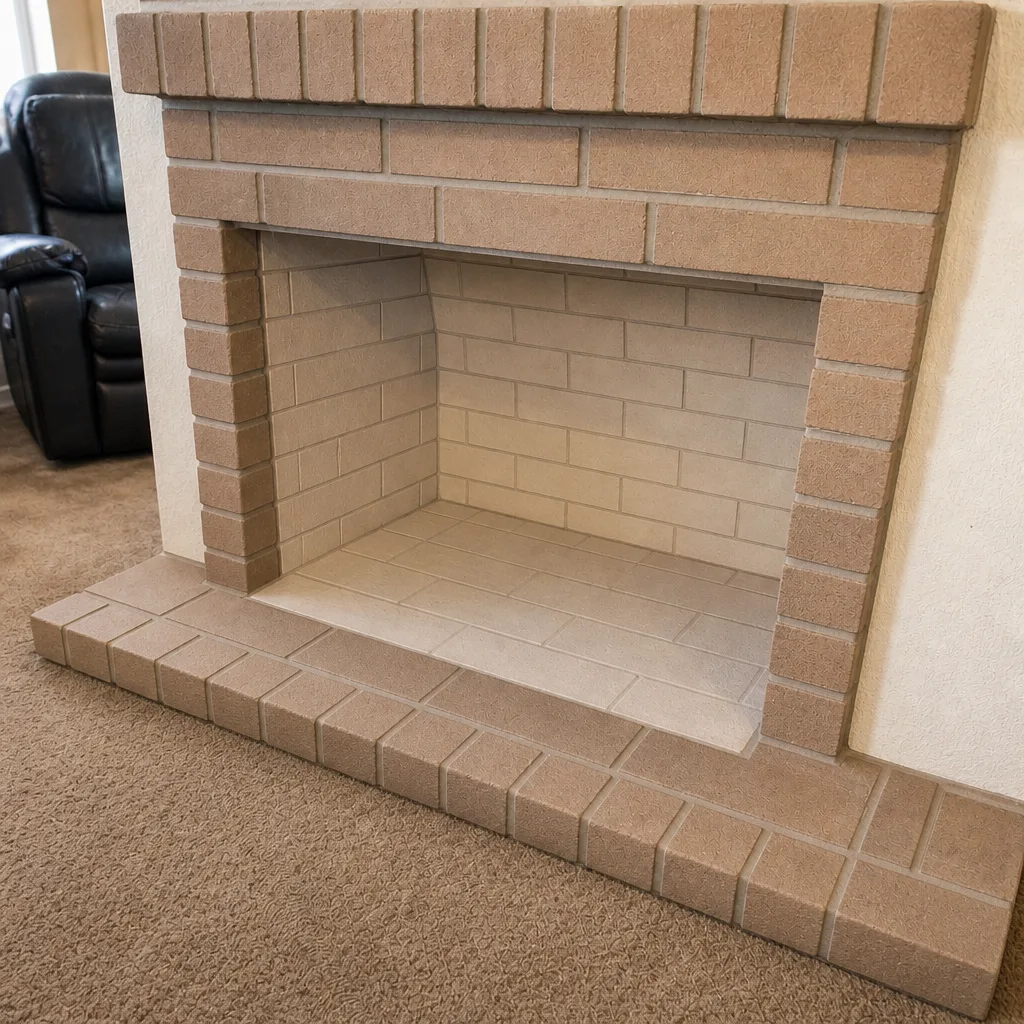
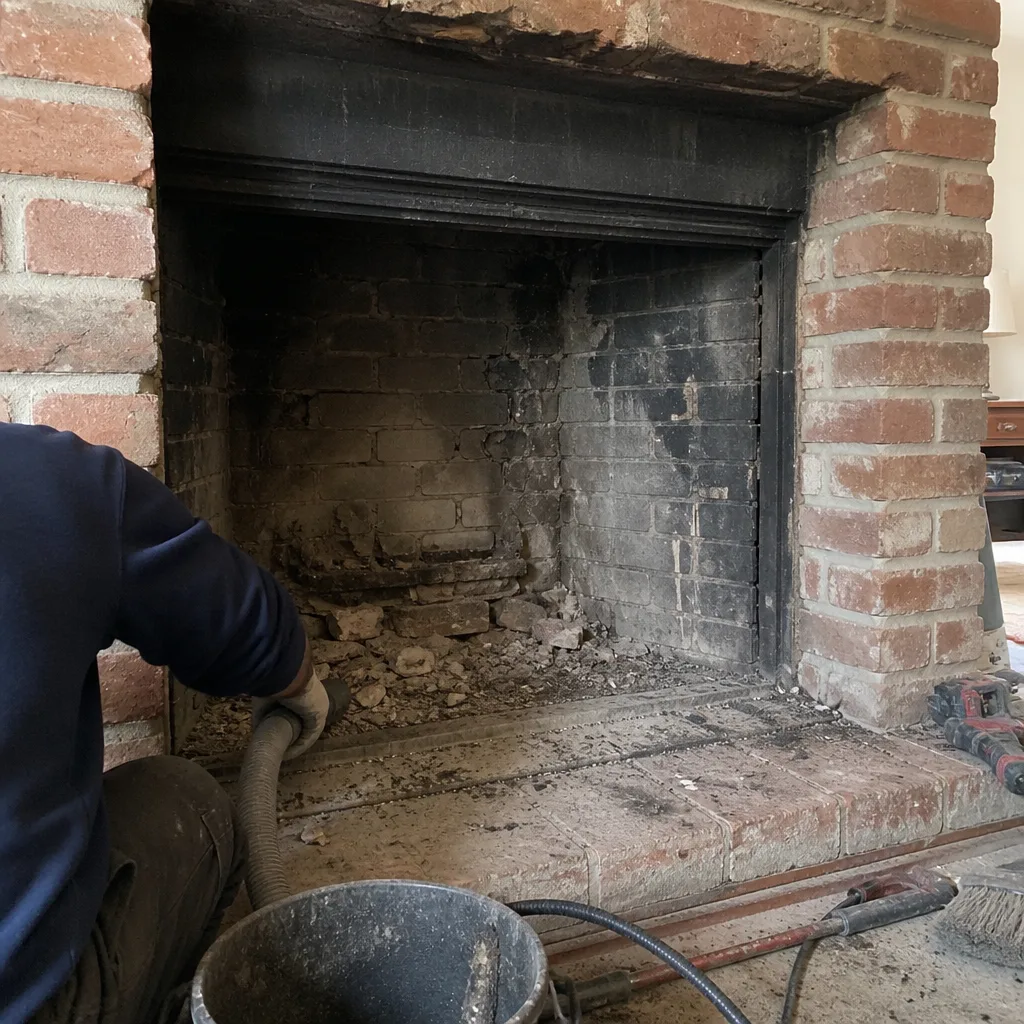
See the difference
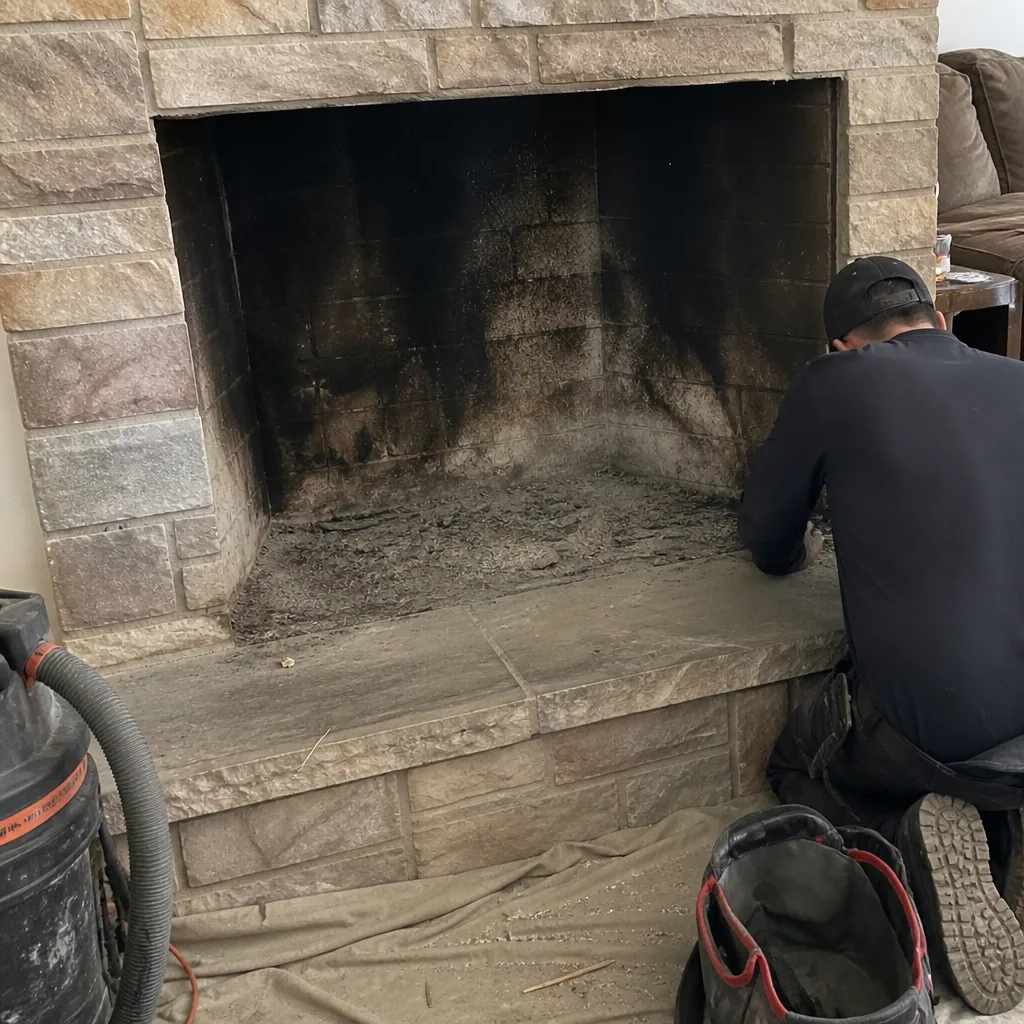 Before
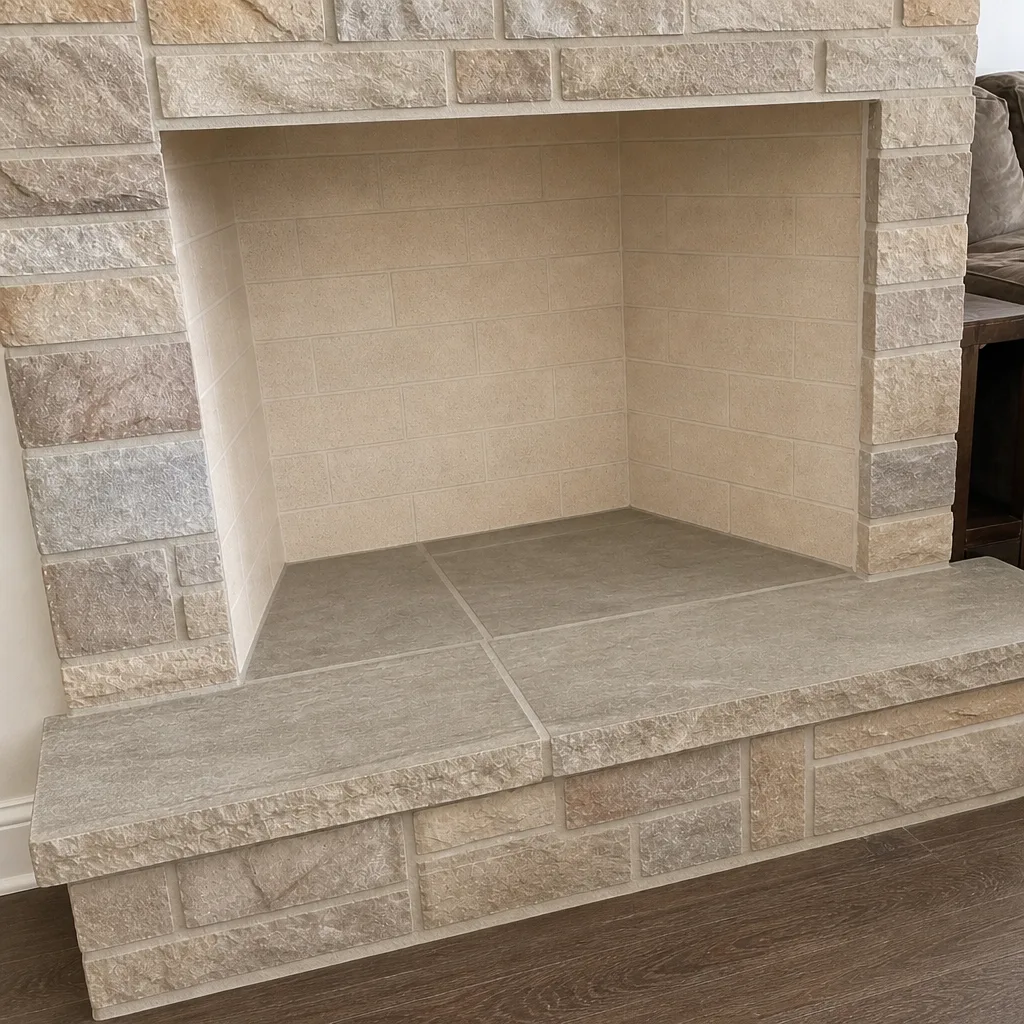 After
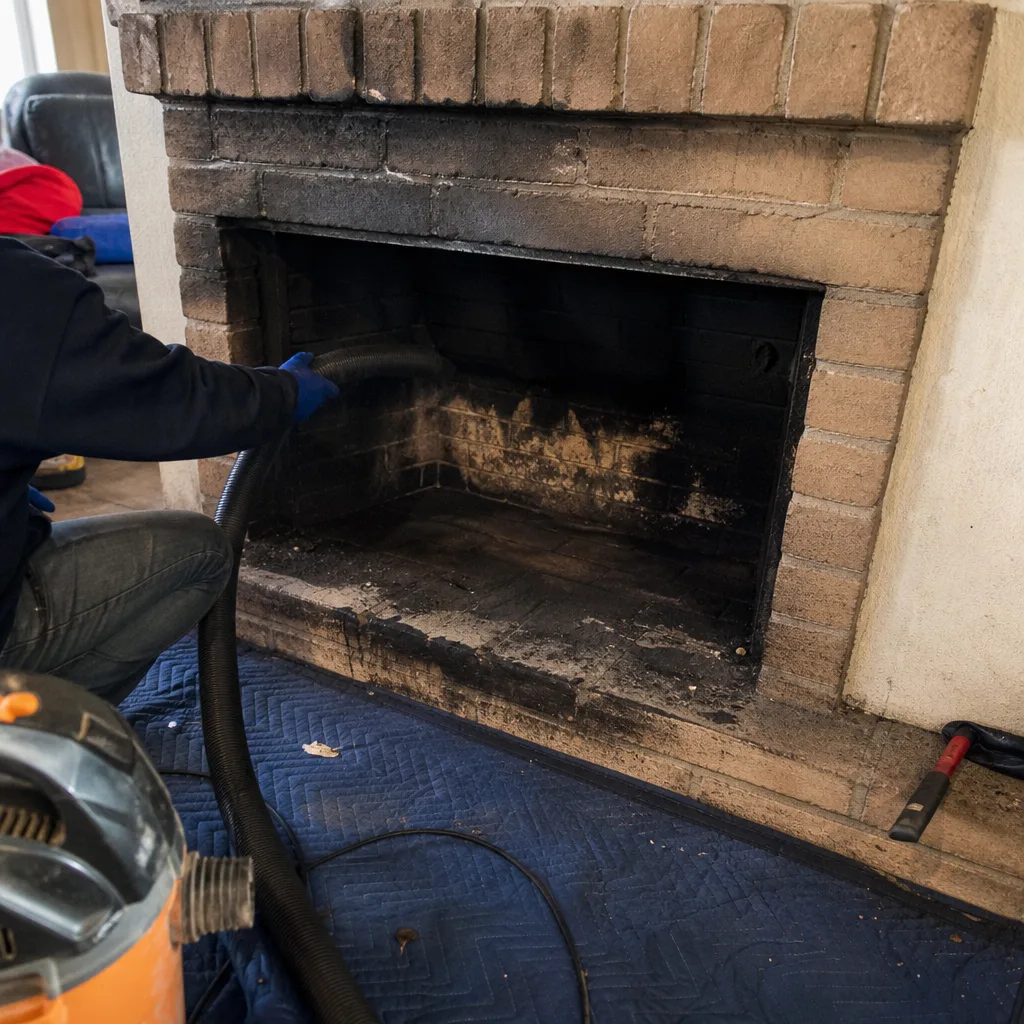 Before
 After
 Before
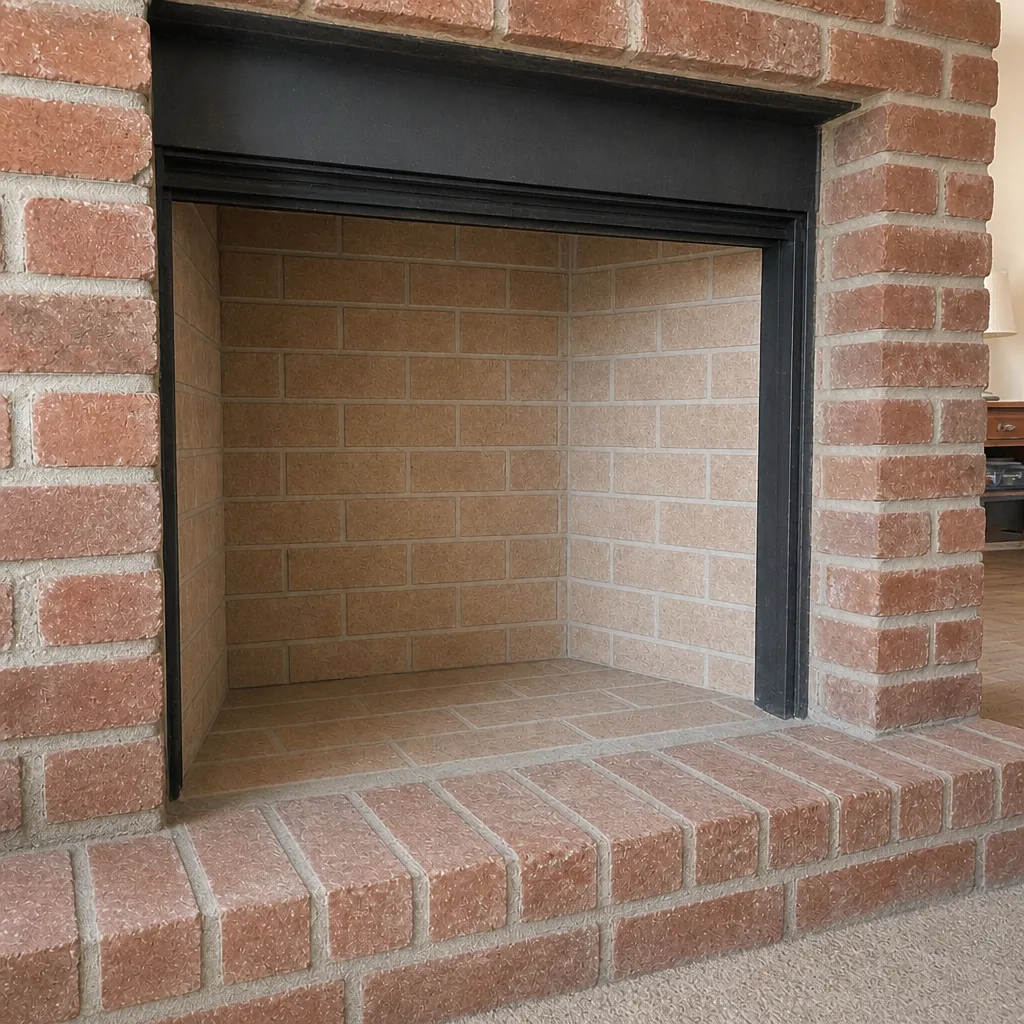 After
When to Call a Professional
Some chimney problems are obvious. Others only show up under camera inspection. Call a professional if your fireplace smells like smoke on a cool morning even when it’s not lit, if you notice creosote buildup you can see, if the crown at the top of your chimney has cracks or missing pieces, or if it’s been several seasons since your last sweep. If a chimney liner may be compromised, stop using the fireplace until a technician has inspected it. A trained technician has the camera, the materials, and the product knowledge to identify what’s actually wrong.
Mesa Chimney Sweep offers free estimates in Mesa, and our technicians have up to 11 years of experience. Call (866) 796-7711 to schedule. We answer 24/7. Fast dispatch from 7am to 7pm, Sunday through Friday. If a call comes in outside dispatch hours, it’s booked into the next opening, Sunday through Friday, 7am to 7pm.
Frequently Asked Questions
Professional chimney technicians typically specify brands like DuraFlex for flexible liner systems and HeatShield for flue resurfacing. Gelco crown coat, Olympia Chimney and Copperfield caps and dampers, and Famco mortar products are common in repair work. These brands are built and tested for the heat and exposure a chimney actually sees, which is different from what boxed retail products can offer.
Brushes and rods are largely commodity tools, and their brand matters much less than the technician’s technique. What does matter: whether the brush is matched to the flue type and whether the technician uses a proper HEPA vacuum for containment. A good technician with a mid-range brush will outperform a mediocre technician with a premium one.
Cold-climate products are often formulated for freeze-thaw cycles and are not necessarily formulated for prolonged 110°F sun exposure and dry thermal swings. Rigid sealants and caps that work in a cool climate can crack or warp faster in Mesa’s heat. Ask whether the material is rated for high-heat, dry, sun-exposed installation, which is what your roof actually delivers.
Chimney repair costs in Mesa depend on the scope: a crown repair sits in a very different range than a full reline, and HeatShield resurfacing is priced differently again. Because the right repair depends on what’s actually wrong, a written estimate after inspection is the only way to know. Call (866) 796-7711 for an exact quote – estimates are free.
HeatShield resurfacing can restore a damaged flue without a full teardown, in many cases where the original clay tile is still structurally in place. It’s not a fit for every liner problem, though. When the flue is compromised beyond what resurfacing can address, a full reline with a DuraFlex system is the correct path. A camera inspection is how a technician decides between the two.
They’re separate services, but both are exhaust pathways in your home and both deserve professional attention. Dryer vents gather lint, and lint is a fire risk independent of the chimney. Booking dryer vent cleaning with a chimney sweep lets a technician assess both in one visit, which is often more efficient than scheduling separately.
Ask for the product label, manufacturer documentation, and before-and-after camera inspection footage of the flue. A contractor who specifies professional-grade materials will be comfortable showing you any of these. If you can’t get documentation on the installed product, ask for it in writing before paying.
The Bottom Line
Brand choice in chimney work comes down to the materials that get installed: liners, crown sealants, caps, and resurfacing compounds. In Mesa’s heat, those choices affect how long a repair holds and how safe your home stays. Before you book, ask which brands are being used, why, and how you’ll be able to verify it. A company that can answer with specifics and show you documentation is signaling that it treats the work as a technical job, not a quick sweep. Our team at Mesa Chimney Sweep is glad to answer those questions in person and walk you through what we find. If you’re ready to schedule a free estimate, call (866) 796-7711. We answer 24/7. Fast dispatch from 7am to 7pm, Sunday through Friday. If a call comes in outside dispatch hours, it’s booked into the next opening. Our service area is Mesa and the surrounding area, so we’re close to neighborhoods throughout Mesa.
Written by the team at Mesa Chimney Sweep.