
Last updated November 15, 2026
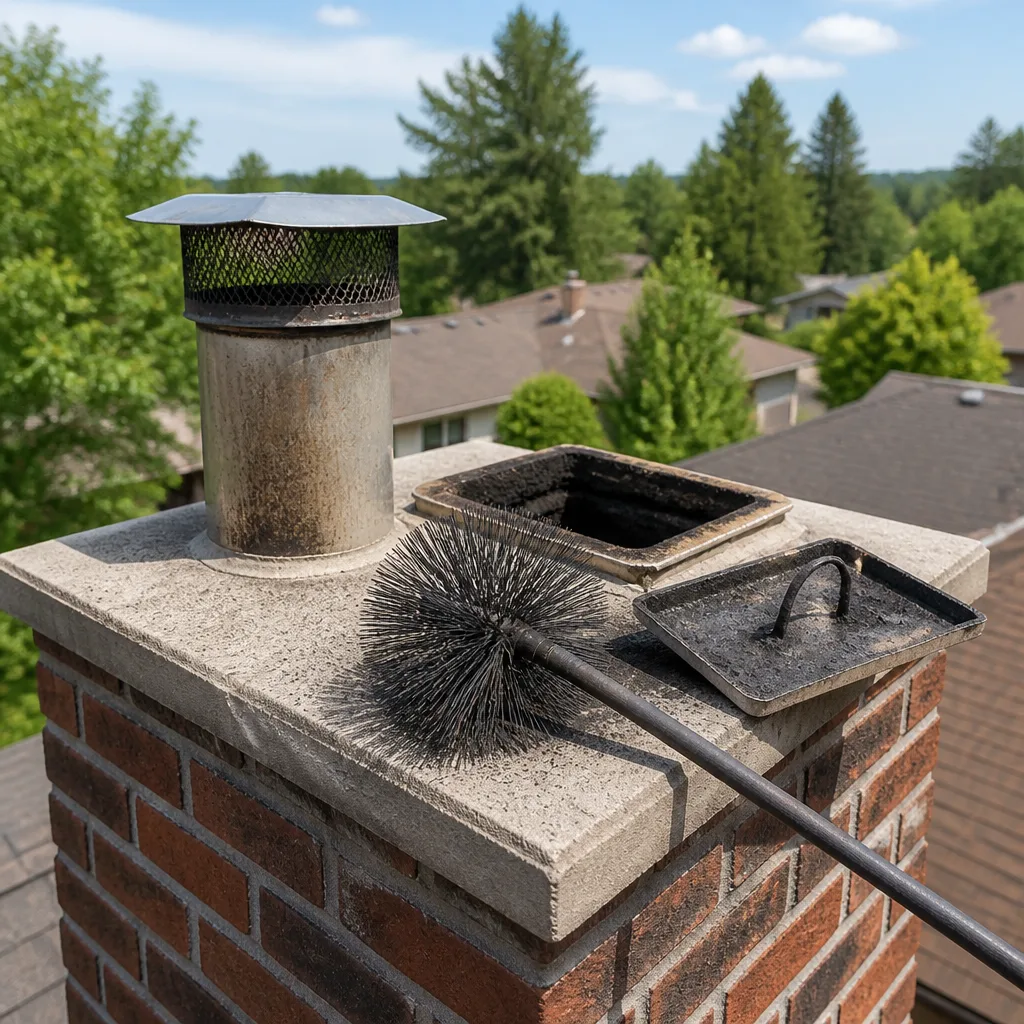 Sweep & inspection
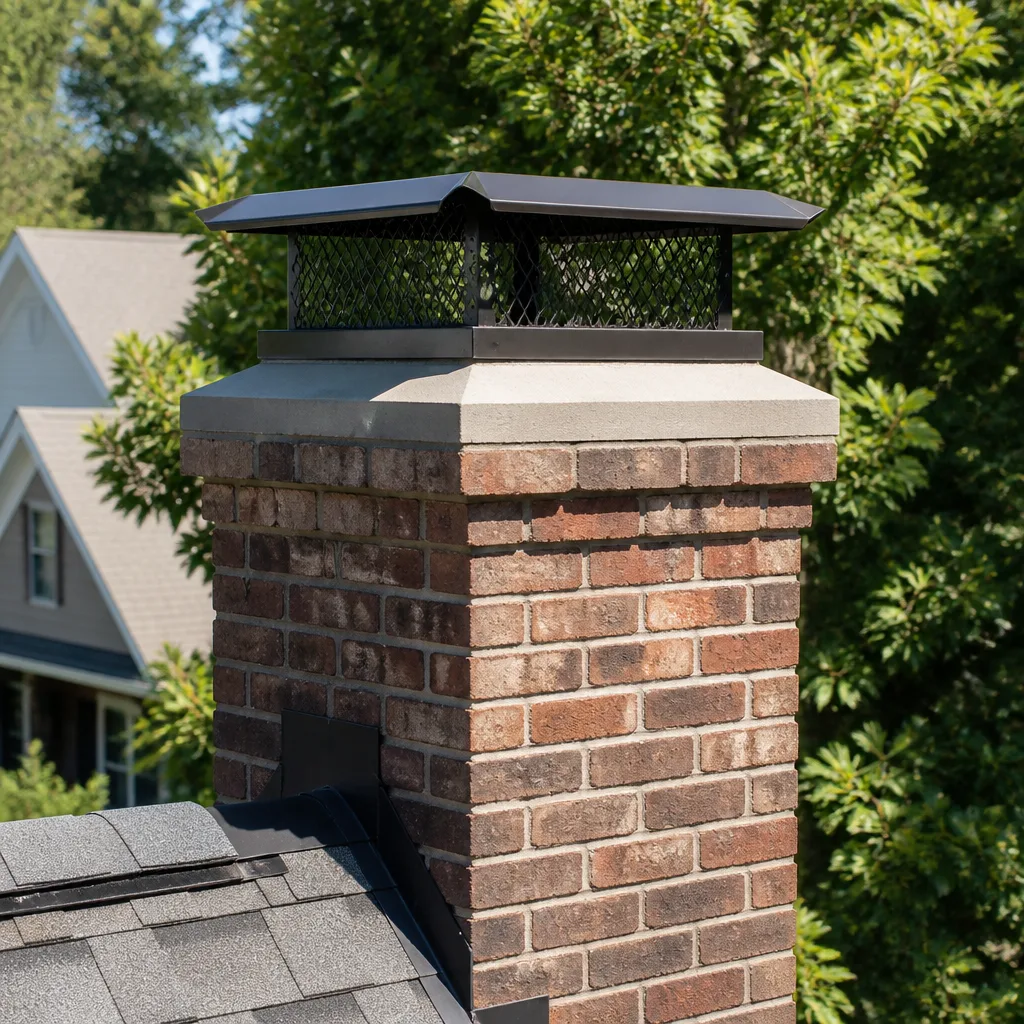 Caps & crowns
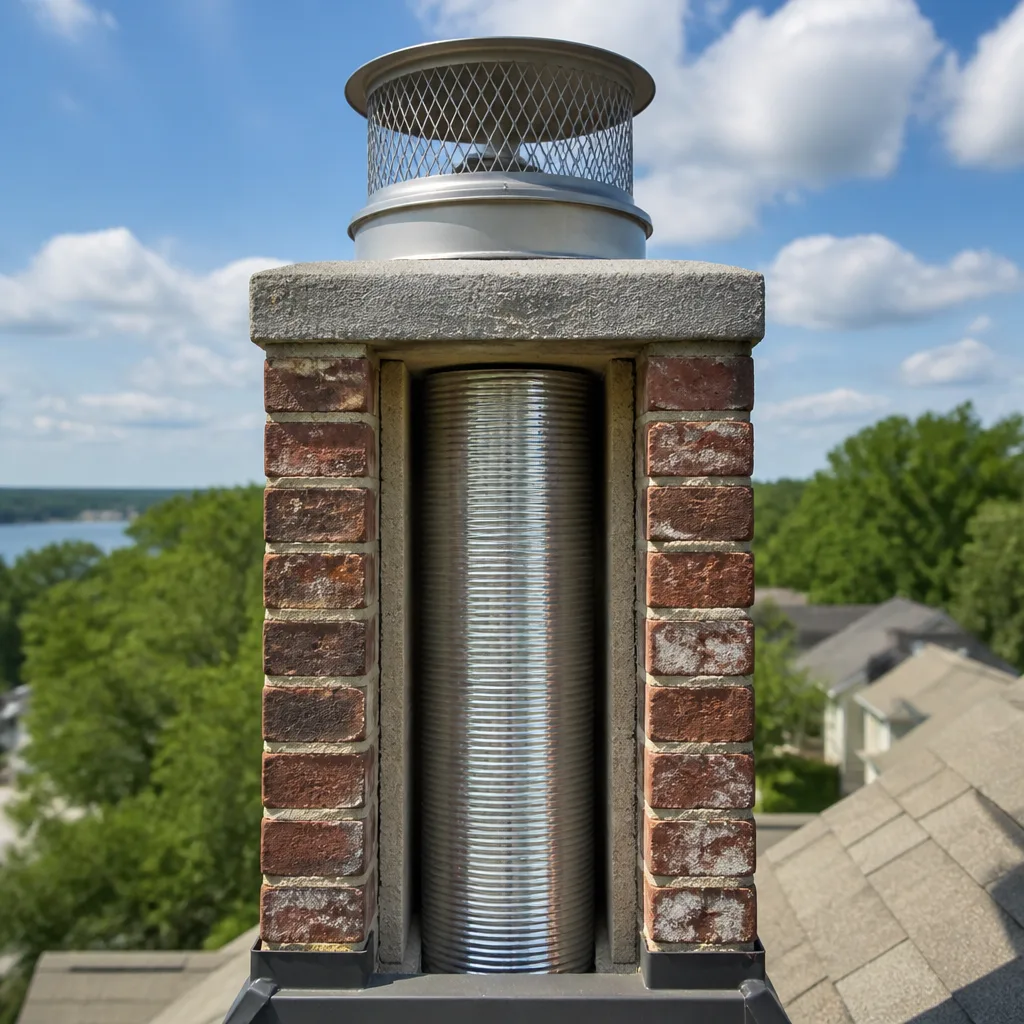 Flue relining
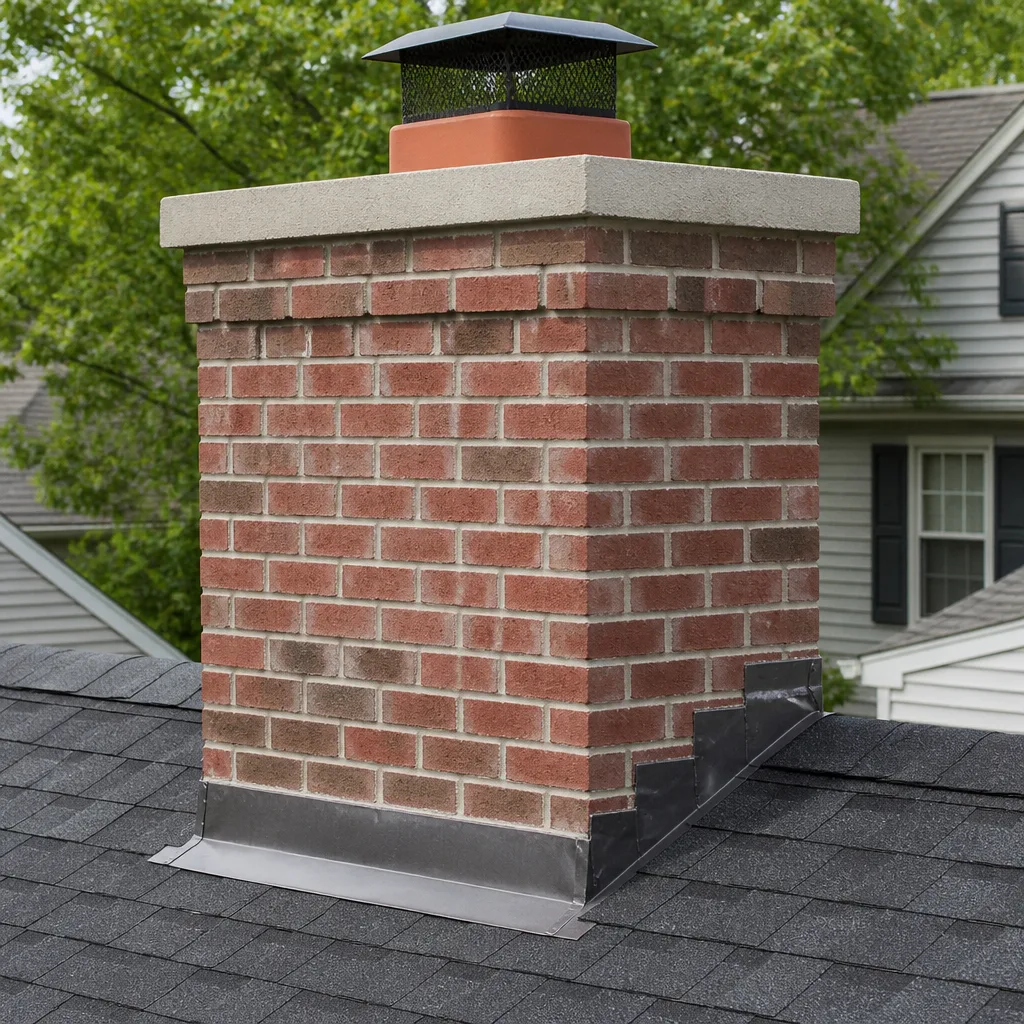 Masonry repair
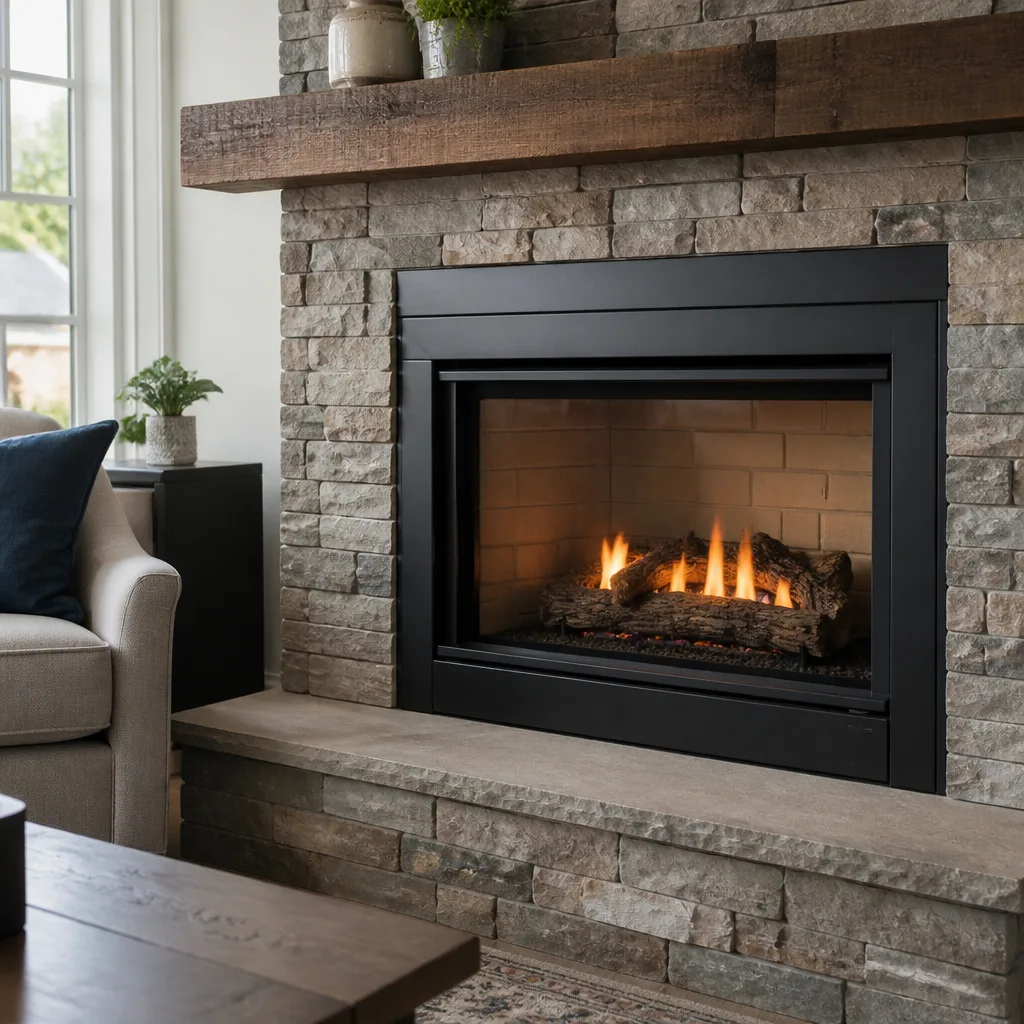 Gas fireplace service
Level 1 sweep and inspection to the NFPA 211 annual standard - flue, crown, cap, and flashing checked and photographed
Chimney sweep logs do not sweep chimneys. They loosen some creosote - which then falls where a brush and vacuum still have to collect it.
Chimney Sweep Troubleshooting in Mesa: Common Problems and How to Fix Them
If your fireplace smells like a campfire in July and you haven’t lit it since February, that’s not normal, and it’s not a mystery. It’s a specific diagnostic clue, and most sweep companies will charge you to identify it in person. The truth is that nearly every chimney problem homeowners notice in Mesa falls into a small set of predictable categories. Smoke rolling into the room, a sour smell on a hot afternoon, cracked brick, a fire that just won’t draw: each symptom points to a known cause. Once you can match the symptom to the cause, you can tell the difference between something you can watch and something that needs attention before your next fire. This guide walks through those patterns, how Mesa’s monsoon and summer heat create them, and what actually fixes each one.
Quick Answer
Most chimney problems in Mesa come down to one of four root causes: creosote buildup, moisture intrusion from monsoon-season rain, a flue that’s the wrong size for the firebox, or negative air pressure inside the home. Smoke backdraft and slow draws usually mean a sizing or pressure problem, odd smells usually mean creosote or moisture, and visible cracking in the firebox or chimney crown points to structural wear that high summer heat accelerates and cold-weather burns expose. A professional sweep with a camera inspection sorts out which one you’re dealing with.
Styles & brands we work with
- Sweep & inspection
- Caps & crowns
- Flue relining
- Masonry repair
- Gas fireplace service
Table of Contents
- Symptom-to-Cause Matrix
- How Monsoon Season Creates Problems You Notice Months Later
- Draft Problems: Flue Size vs. Negative Air Pressure
- Why High-Heat Summers Accelerate Mortar Joint Failure
- What You Can Safely Monitor vs. What Needs a Professional Now
- Campfire Smell in Summer: What It Means
- Creosote: The Problem Behind Most Other Problems
- Common Mistakes to Avoid
- When to Call a Professional
- Frequently Asked Questions
- The Bottom Line
Symptom-to-Cause Matrix: What Your Fireplace Is Telling You
When homeowners call us about a chimney problem in Mesa, they usually describe a symptom, not a cause. That’s the right place to start. The table below maps the most common symptoms to their likely source and tells you roughly what resolving each one involves.
- Smoke rolling back into the room: usually negative air pressure, a blocked flue, or a flue that’s undersized for the firebox opening. Fix ranges from a pressure correction to relining.
- Campfire or creosote smell when the fireplace is cold: creosote buildup or moisture mixing with creosote. Needs a sweep and an inspection of the flue.
- Musty or damp smell: water getting in through the crown, flashing, or a missing cap. Needs moisture-source repair, not just cleaning.
- Spalling brick (faces flaking off): moisture trapped inside the masonry, often worsened by our monsoon cycle. A structural issue, not a cosmetic one.
- Slow, lazy draw that used to be fine: partial flue obstruction, or a change in how the house is sealed and ventilated. Camera inspection tells them apart.
- Cracked firebox or crumbling mortar joints: heat cycling and age. Requires repair before the next burn because cracks let heat and gases reach framing.
- White staining on exterior brick: efflorescence, a sign of moisture moving through the masonry. Points to a water entry problem above.
The pattern matters. Two symptoms together narrow the cause faster than either one alone. A campfire smell plus slow draws suggests creosote partly blocking the flue. A musty smell plus white staining suggests an active water leak feeding both problems. When you can describe what you’re seeing to a technician, the inspection gets faster and the diagnosis gets sharper. If you’ve already done that narrowing, you’re ahead of most calls we take.
How Monsoon Season Creates Problems You Notice Months Later
Mesa’s monsoon season delivers sudden, heavy rain after months of dry heat. That cycle is hard on a chimney, and the damage often doesn’t show up as a leak. It shows up as a smell, a crack, or a draft problem weeks or months later, when you finally light a fire and something seems off.
Here’s the mechanism. Masonry is porous. Through the dry spring and early summer, a brick chimney wicks up whatever moisture is around and holds it. When heavy monsoon rain hits, the crown, the flashing, and the joints around the flue get tested. A hairline crack in the crown that’s been there for years suddenly lets water straight into the flue. That water soaks into creosote deposits left from last winter’s fires.
Wet creosote is the source of the campfire smell you notice in July. It’s also mildly corrosive, and it expands as it dries. Repeated wet-then-dry cycles push on mortar joints and brick faces from the inside. Over a few seasons that’s how you get spalling brick and a crown that’s failing. By the time you notice, the visible problem looks unrelated to a rainstorm months ago.
Three things worth checking after a heavy monsoon:
- Look at the chimney crown from the ground. Any crack wide enough to catch a fingernail is letting water in.
- Check for rust streaks on the firebox or damper. Rust means water is getting into the flue.
- Notice any new musty smell near the hearth. That’s moisture, not just age.
Stopping the water at the source is almost always cheaper than repairing what the water damages later. A properly fitted cap and a sound crown do most of that work. When we sweep a fireplace in Mesa after monsoon season, moisture is one of the first things we check, because the climate here makes it a leading cause of problems we see.
Draft Problems: Flue Size vs. Negative Air Pressure
These are the two most commonly confused chimney problems, and confusing them means paying to fix the wrong thing. Smoke that rolls into the room has one of two root causes, and they need entirely different solutions.
Flue size problems
A chimney works by pulling air up through the flue. For that to happen, the flue has to be sized correctly for the firebox opening. If the flue is too large, the smoke has too much room and cools before it exits, then sinks back down. If it’s too small, it can’t move the volume of smoke a big firebox produces. Older Mesa homes sometimes have fireboxes that were enlarged or flues that were rebuilt without matching the two. The fix is a flue liner sized to the opening. A flexible liner system lets us bring an undersized or oversized flue back into balance without rebuilding the chimney.
Negative air pressure problems
A flue can be perfectly sized and still smoke if the house is pulling harder than the chimney. Modern homes are tighter than they used to be. Bathroom fans, kitchen exhausts, and even a house sealed up against the summer heat all push against the chimney’s natural draft. When the pressure inside the house is lower than outside, air comes down the flue instead of going up it. This often shows up as smoke on the first fire of the season, or on windy days. The fix is usually about balancing air: opening a nearby window a crack, adjusting the damper, or correcting how much the house is drawing.
How to tell them apart
- Open a window near the fireplace and light a small fire. If the smoke clears, you’re dealing with pressure, not the flue.
- If smoke rolls no matter what, or starts fine and then backs up as the fire grows, the flue size or an obstruction is more likely.
- If the problem only appears when an exhaust fan runs, it’s pressure.
A camera inspection settles it definitively, but those three checks tell you what to expect before anyone comes out. Our chimney sweep service includes that inspection, so the diagnosis and the cleaning happen on the same visit.
Why High-Heat Summers Accelerate Mortar Joint Failure
Most people think of cold weather as the enemy of masonry. In Mesa, it’s the heat that does the slow damage, and the cold weather just reveals it. Here’s what happens over a summer.
Masonry and the mortar between the bricks expand and contract at slightly different rates as they heat and cool. In a long stretch of high-heat days with hot nights that don’t cool off much, the chimney goes through many daily expansion cycles. Over a season, that works the mortar joints. The joints dry out, lose flexibility, and small cracks open. They’re hard to see from the ground, and they don’t cause any problem you’d notice while it’s hot, because you’re not using the fireplace.
Then the first cool-weather burn happens. The fire heats the firebox and flue quickly. Air that’s trapped in the cracked mortar expands, and any moisture that got in during monsoon season turns to steam. That steam and heat push on cracks that were only hairline before. A fire can turn a minor joint crack into a real gap in a single evening.
That’s the pattern that catches homeowners off guard: no problem all summer, then a visible crack or a smoke problem on the first cold burn. It’s why we recommend a fall inspection before you use the fireplace for the season, especially in an older Mesa home. What would have been a small repair in October becomes a bigger one after a fire pushes it open. Mortar joint failure isn’t visible from the inside of the firebox where you’d look casually, which is why the inspection includes a look at the flue and firebox in a way you can see for yourself.
What You Can Safely Monitor vs. What Needs a Professional Now
Not every chimney problem is an emergency, and treating them all like one is how homeowners end up paying for work they didn’t need. But some symptoms shouldn’t wait, because the next fire turns them into a real hazard. The line between them is clearer than most people expect.
Safe to monitor
- Slight creosote smell when the fireplace is cold. Normal between fires. Book a sweep before the next season.
- Minor white staining on exterior brick. Note it, watch whether it spreads, and get it inspected.
- A single lazy fire on a windy day. Weather can affect draft. Try again on a calm day.
- Small cracks in the firebox refractory that don’t widen. Have them inspected at your next sweep.
Needs a professional before the next fire
- Any crack you can see through or that’s widening in the firebox or flue.
- Smoke backing up consistently, not just on windy days.
- A visible crack in the chimney crown wide enough to hold water.
- Any smell of gas, or a carbon monoxide detector going off. Leave the area and get help immediately.
- Flaking brick faces that are releasing material, especially near the flue.
The reason a crack matters so much is simple. The flue’s job is to carry smoke and combustion gases out of the house. Carbon monoxide is odorless, so a crack or gap in the flue can leak it into living space without any warning smell. That’s the risk worth taking seriously. It’s also why we never give the OK to burn without a camera inspection that shows the flue is sound. We’d rather show you a clean flue and tell you to wait than sell you a repair you don’t need.
Campfire Smell in Summer: What It Means
Here’s the most common warm-weather call we get in Mesa. You haven’t lit a fire in months, the fireplace is cold, and the room smells like an old campfire. It’s a specific, useful clue, and it almost never means a fire risk in that moment.
That smell is creosote, the residue that builds up on the flue walls as smoke cools. Creosote is fine when it’s dry and trapped in the flue. In summer, two things make it noticeable. First, monsoon moisture gets into the flue and wets the creosote, which releases odor. Second, hot air rising through a chimney with a slight breeze can pull the smell back through the firebox and into the room. Together they create that unmistakable smoky smell on a hot afternoon.
The smell tells you two things: you have creosote buildup, and your chimney may be letting in moisture. Either one is a reason to book a sweep. Neither is a fire hazard on its own, so there’s no need to panic. But a campfire smell that goes unanswered tends to get worse, and the moisture source behind it affects the masonry over time. Booking a sweep before fall is the right move, and it’s a good time to have us check the cap and crown while we’re up there.
Creosote: The Problem Behind Most Other Problems
Creosote is a natural byproduct of burning wood. When smoke cools, its unburned components condense on the flue walls. The residue that forms takes on different forms depending on how hot the fire burns and how cool the flue stays.
- Soft, powdery, soot-like: the easiest form to sweep away. Present after a normal season of fires.
- Flaky or crispy: harder, more stubborn. Needs more than a light brush.
- Glazed, shiny, hard: the most serious form, formed by repeated cool fires and long creosote contact. It bonds to the flue and can’t just be brushed off.
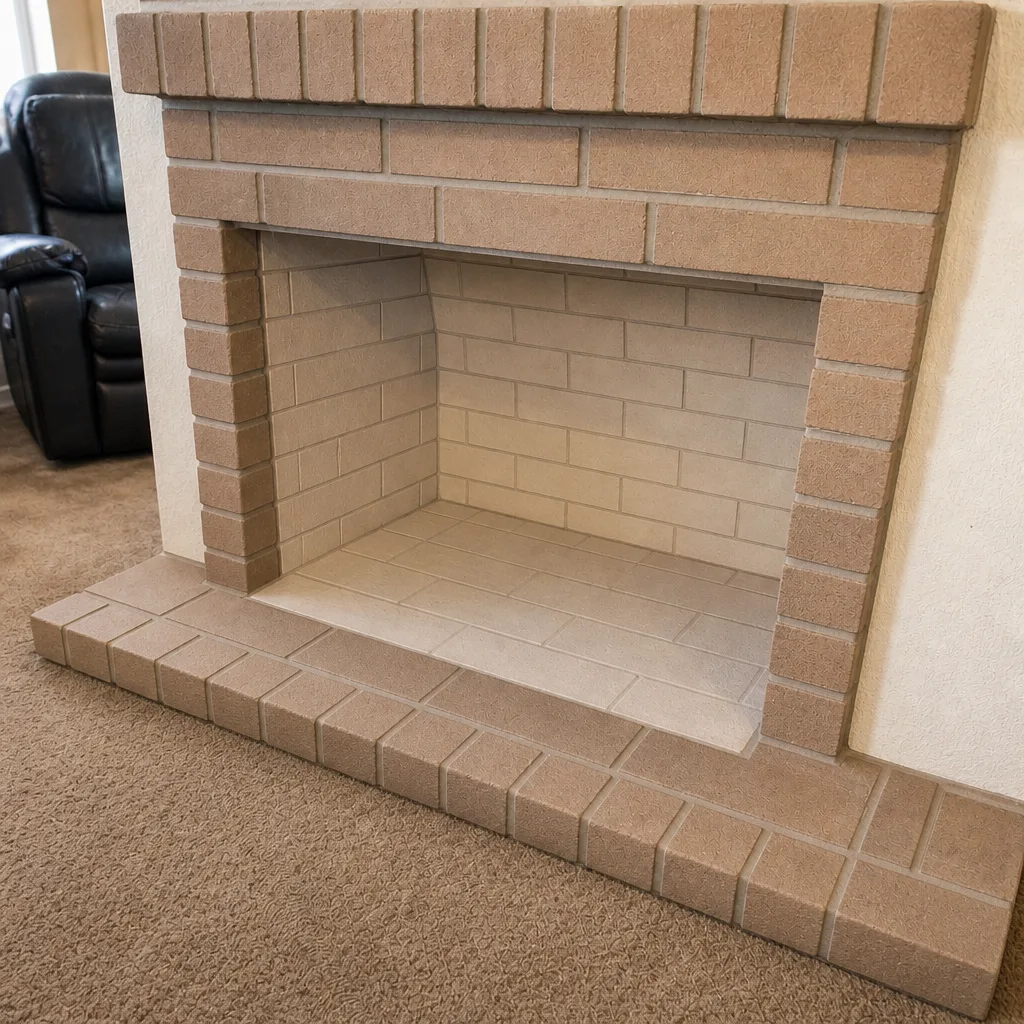
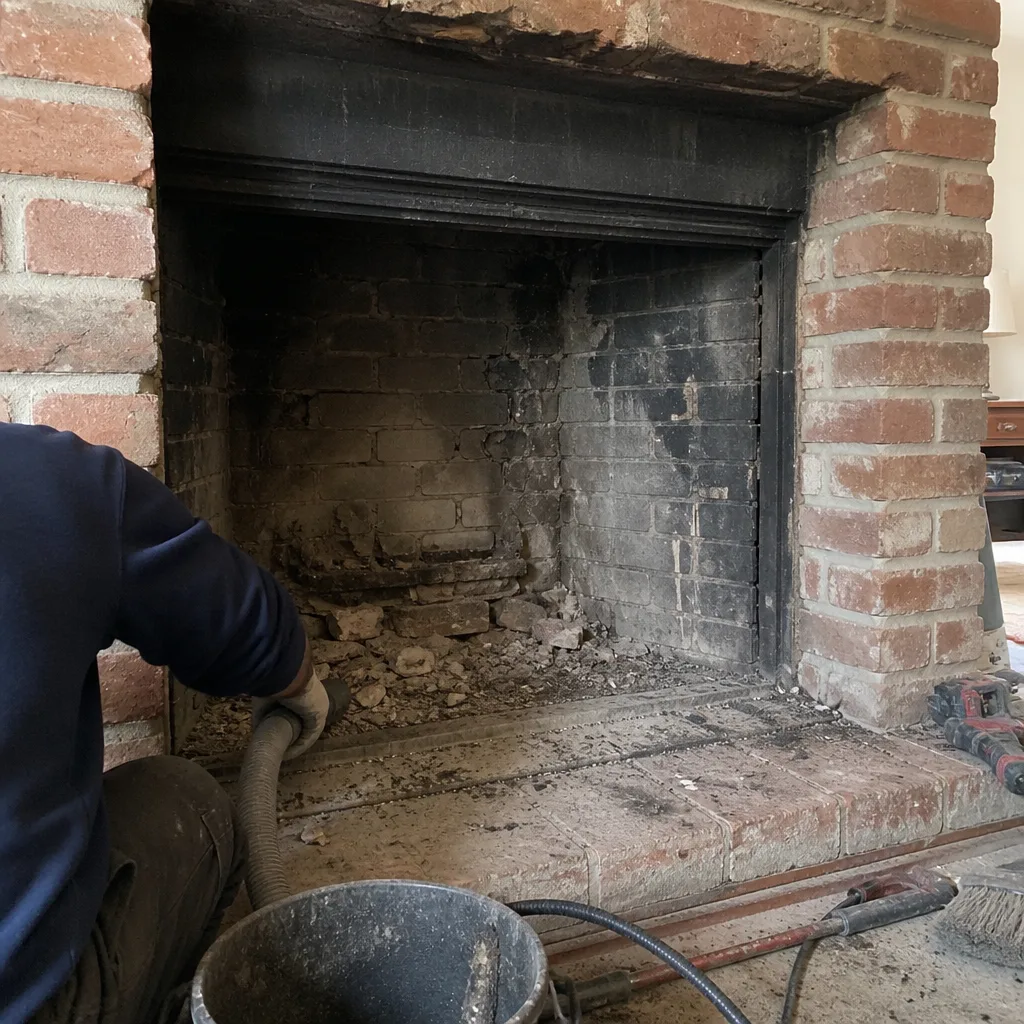
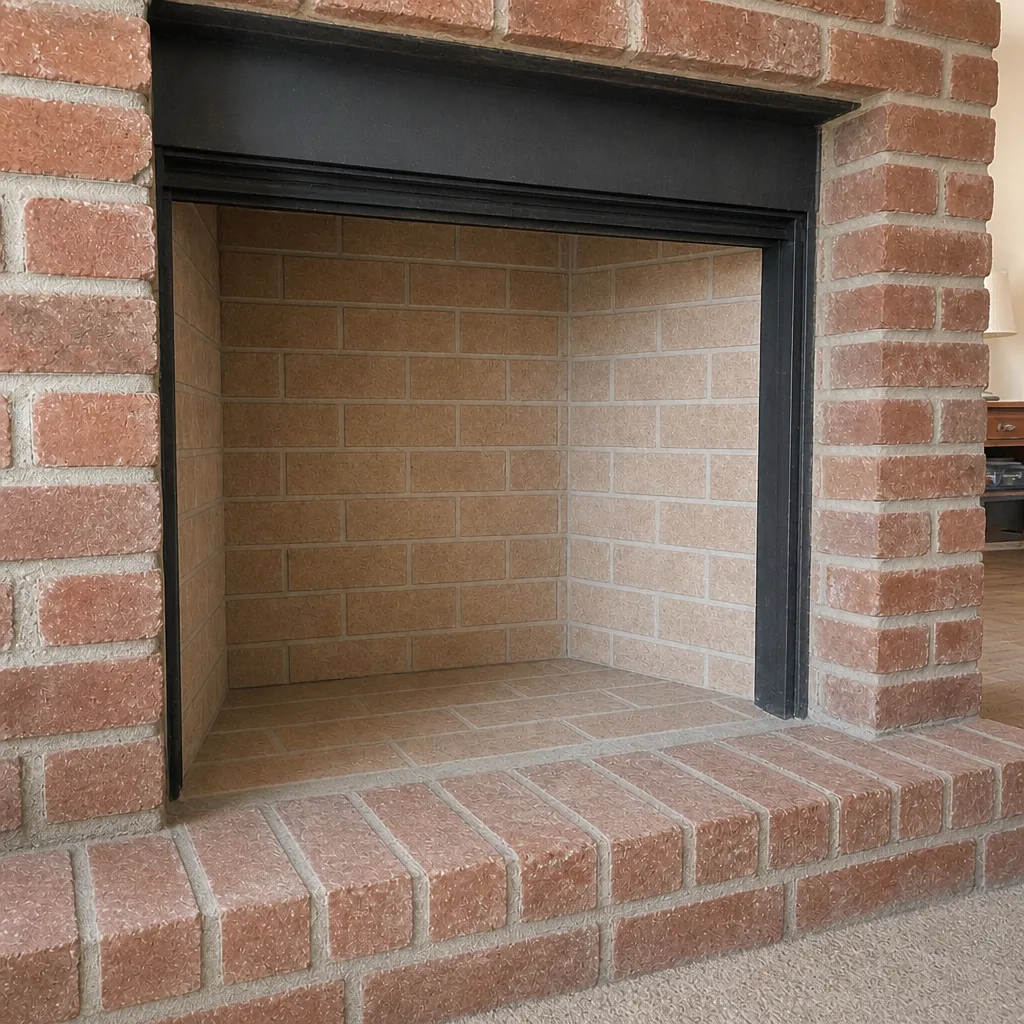
Glazed creosote is the one that matters most for safety. It’s dense, it’s highly combustible, and a hot fire can ignite it. That’s a chimney fire. The residue also clogs the flue over time, restricting the draft and making other problems worse. In a Mesa home, the combination of wood-burning habits and the flue cooling during monsoon season makes glazed creosote more likely than homeowners expect. When we find hard, bonded creosote, a standard sweep won’t clear it. We use a specialized process to resurface the flue liner in place, restoring a clean, safe surface without a full teardown. That’s a repair no single-service sweep can do, and it’s one reason we carry professional-grade materials from brands like HeatShield and DuraFlex.
See the difference
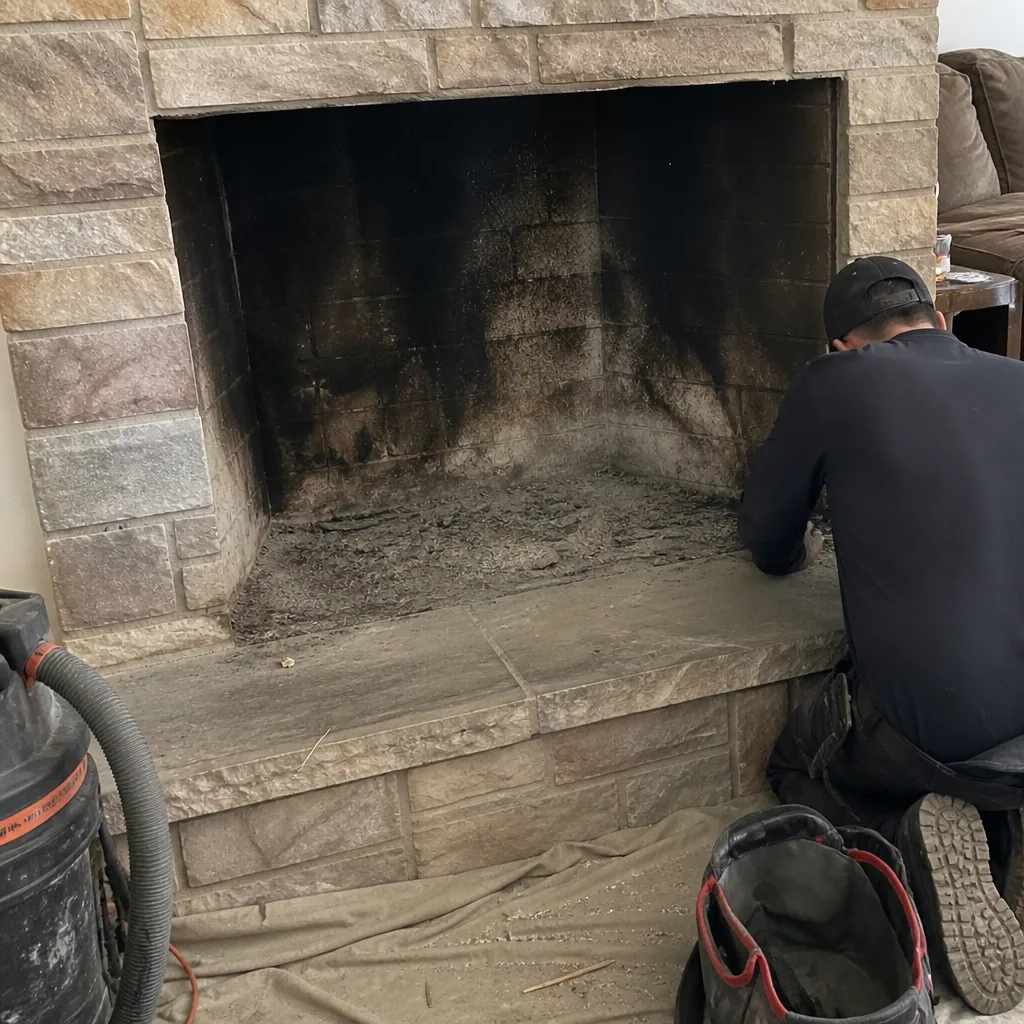 Before
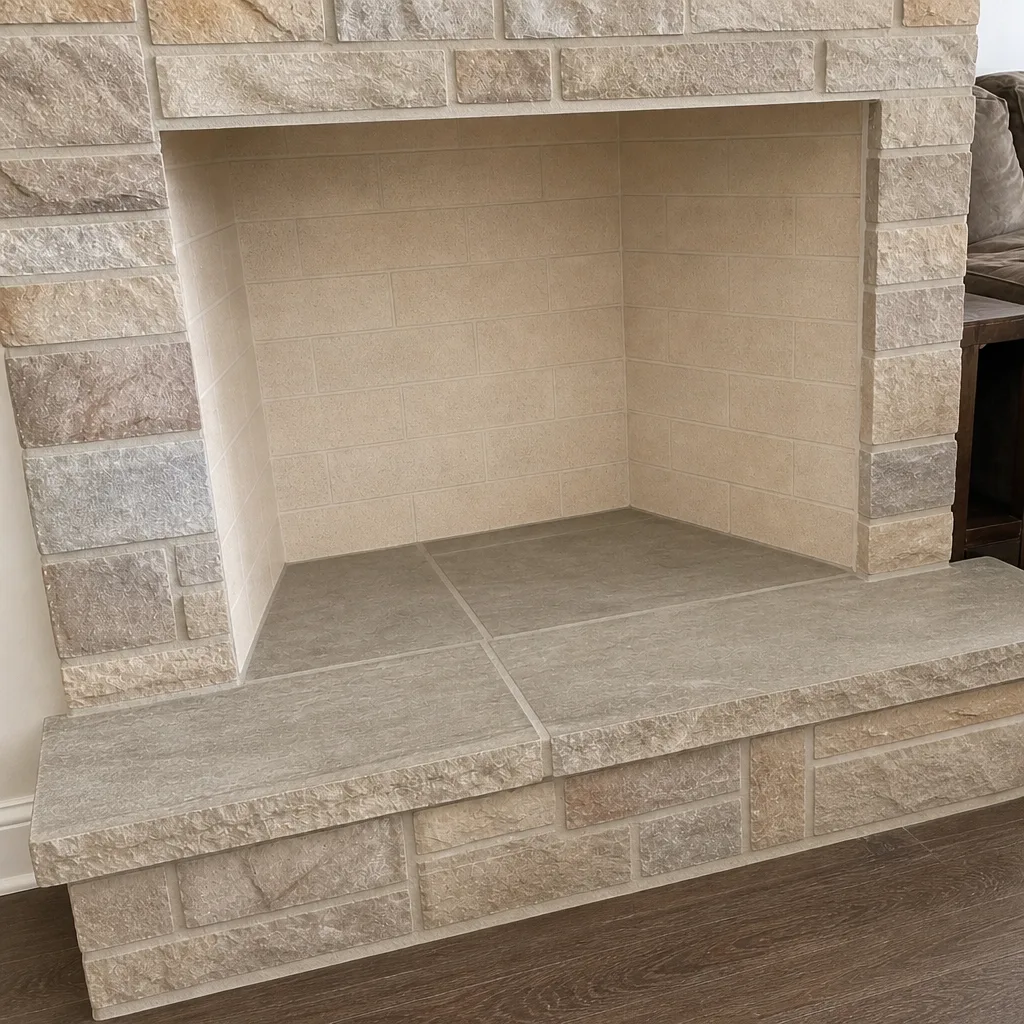 After
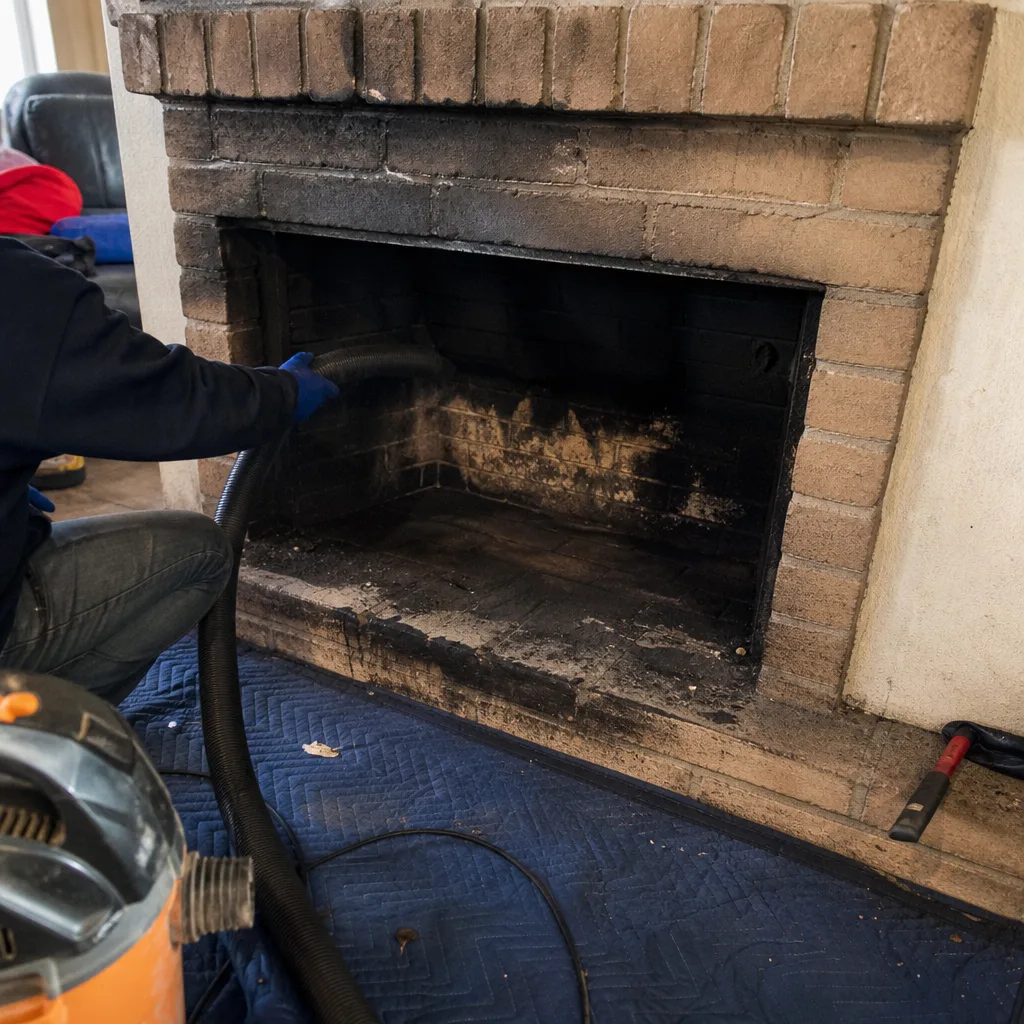 Before
 After
 Before
 After
Common Mistakes to Avoid
- Burning unseasoned wood to save money. Green wood creates more smoke and more creosote than a dry, seasoned fire. That residue is the source of most flue problems we see.
- Skipping the inspection because the fire “works fine.” A fireplace that lights and burns can still have a cracked flue or a crown taking in water. The inspection is what shows you what burning can’t.
- Watching a new crack instead of having it looked at. Some small cracks are harmless. A crack that widens, or one in the firebox or flue, is not. Worth a call, not a wait.
- Doing the sweep before fixing moisture. Cleaning while water is still getting in means the same creosote smell returns next season. Fix the leak at the source first.
- Assuming a smoke problem is always the flue. If it’s negative air pressure, relining won’t help. That’s why the pressure checks and the camera inspection come before any repair quote.
- Forgetting the dryer vent. It’s a second exhaust system in your home, and in Mesa’s hot, dry climate, lint buildup gets less attention than it deserves. We offer dryer vent cleaning alongside chimney work.
- Lighting the first fire of the season without checking the chimney at all. Heating a cold, cracked, un-swept chimney is how a small repair becomes a large one. Look first.
When to Call a Professional
Call us when you can’t sort a symptom out from the ground. That means a campfire smell that persists, smoke that backs up consistently, a crack in the firebox or crown you can see, or any sign of water in the flue. Some of these are safe to monitor, but a professional camera inspection is what shows you the actual condition of the flue so you know whether to wait or act. And if you see a crack that’s widening, a carbon monoxide detector alarm, or a fire that won’t draw at all, that’s a call without waiting. Mesa Chimney Sweep offers free estimates in Mesa; call (866) 796-7711. We answer 24/7, fast dispatch runs 7am to 7pm Sunday through Friday. We’ll show you what we find, and we have the materials to fix it on the same visit.
Frequently Asked Questions
Most wood-burning fireplaces in Mesa should be swept once a year, and always before the first fire of the season. If you burn often or notice a campfire smell, annual is the floor, not the ceiling. If your fires are occasional, a year-round inspection schedule still matters because monsoon moisture can damage the flue even when you aren’t burning.
No. A campfire smell in summer is usually creosote meeting monsoon moisture, not an active fire. It’s a sign of buildup and possibly water intrusion that should be addressed. A chimney fire produces a loud roar, heavy smoke, and heat from the chimney itself, not just a lingering smell.
Sometimes, for pressure-related drafts. Opening a window near the fireplace can balance the air enough to restore draft, and that’s a quick test you can do safely. If the problem persists with the window open, it’s likely a flue size or obstruction issue that needs a camera inspection to diagnose.
Because the monsoon season and hot summer have been working on the masonry for months, and the crack was likely already there in a hairline form. The heat from your first fire expands trapped moisture and air, pushing the hairline into something visible. A fall inspection catches those before the fire does.
It depends on the damage. If the flue liner has cracked or spalled surfaces but is structurally sound, HeatShield resurfacing can restore it in place without a full teardown. If the liner is badly damaged or missing, a flexible liner system from DuraFlex or Olympia Chimney may be the right fit. A camera inspection is what tells you which situation you’re in.
Two risks: creosote buildup that can fuel a chimney fire, and undetected cracks or blockages in the flue that can let smoke or carbon monoxide into your home. Both are caught by an inspection you can see for yourself. We never recommend work without camera evidence, and we’ll tell you plainly when it can safely wait.
The Bottom Line
Chimney problems in Mesa follow patterns. A smoky smell in summer means creosote plus moisture. A sudden crack after the first cold burn means the summer heat worked on the mortar and the fire revealed it. A smoky fire means a draft problem, and the fix depends on whether the cause is flue size or air pressure. Match the symptom to the cause, and you can tell what to monitor from what needs a professional now. When you’re ready for a straight answer, our team inspects with a camera, shows you what we find, and repairs it with the same pro-grade materials we stock. Call (866) 796-7711 for a free estimate. We answer 24/7, and fast dispatch runs from 7am to 7pm Sunday through Friday, closed Saturday.
Written by the team at Mesa Chimney Sweep.