
Last updated November 15, 2026
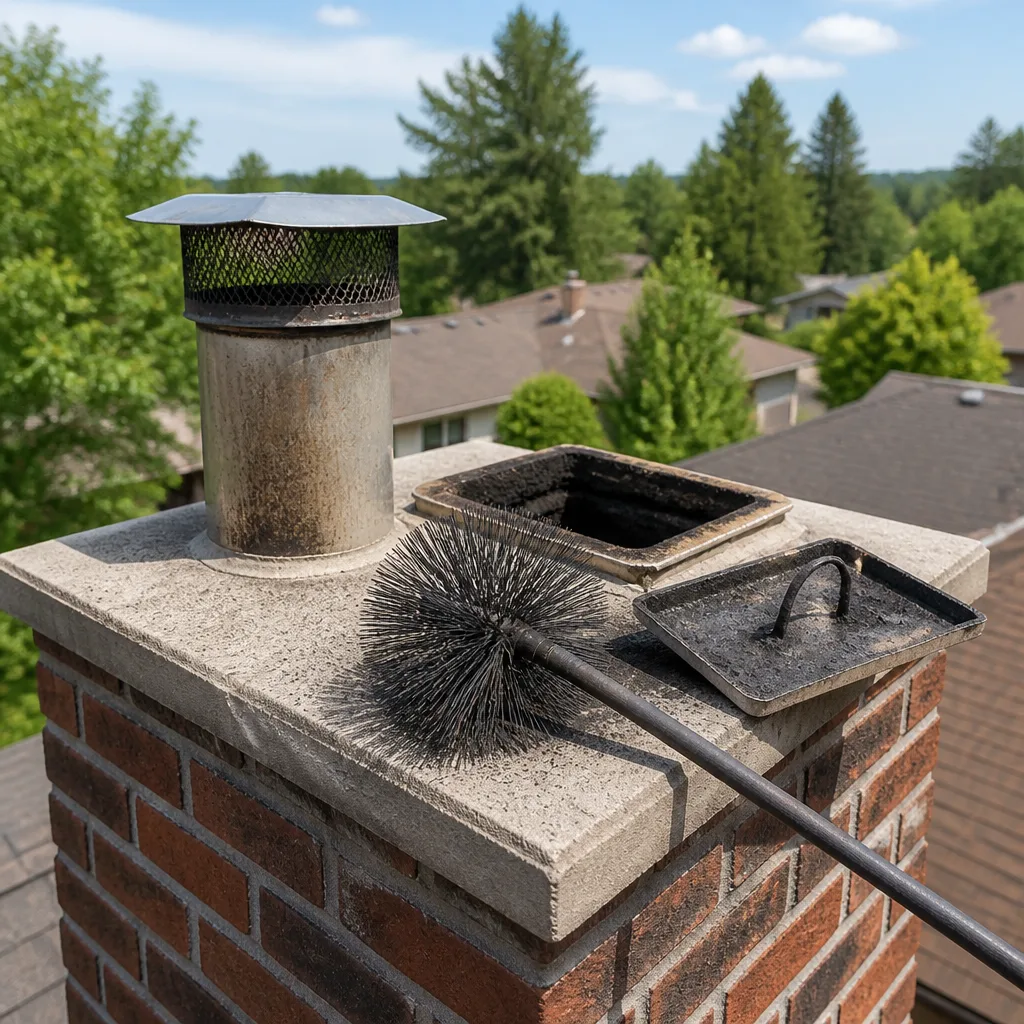 Sweep & inspection
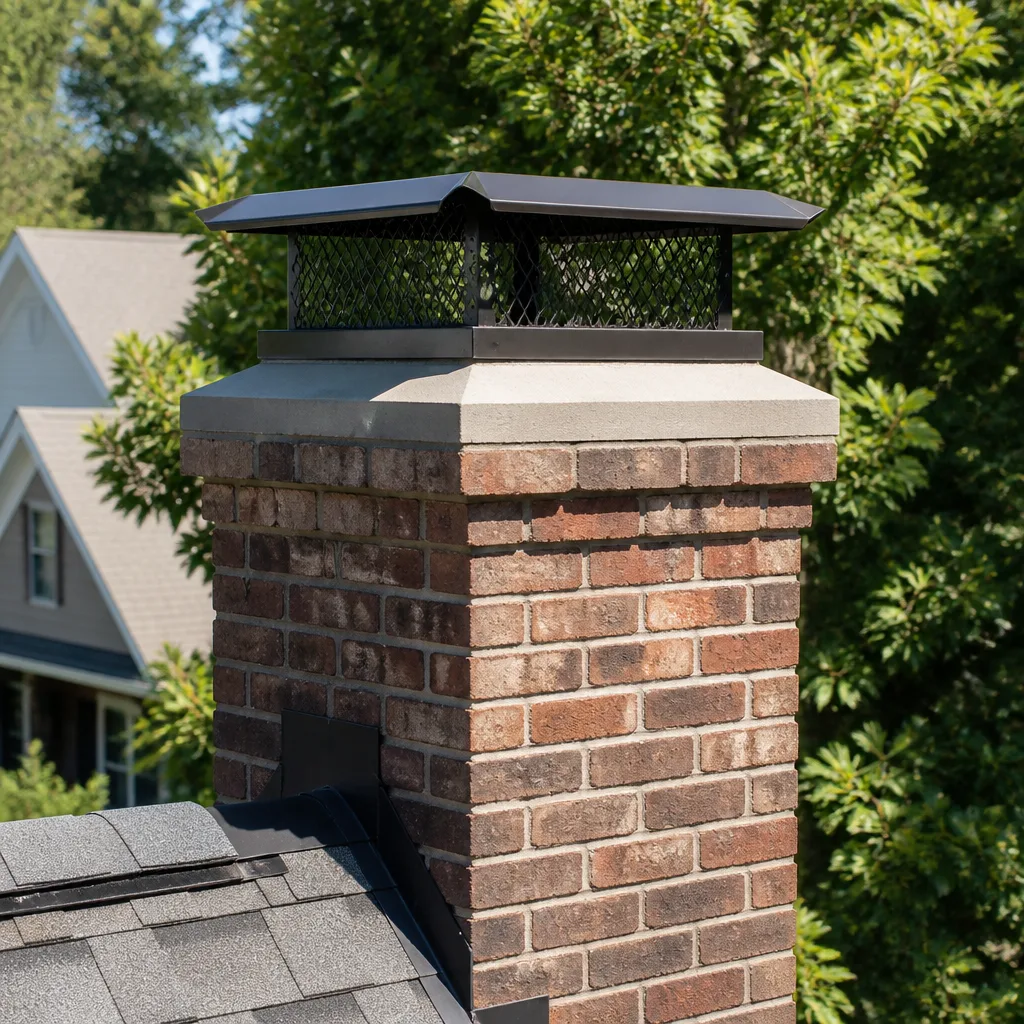 Caps & crowns
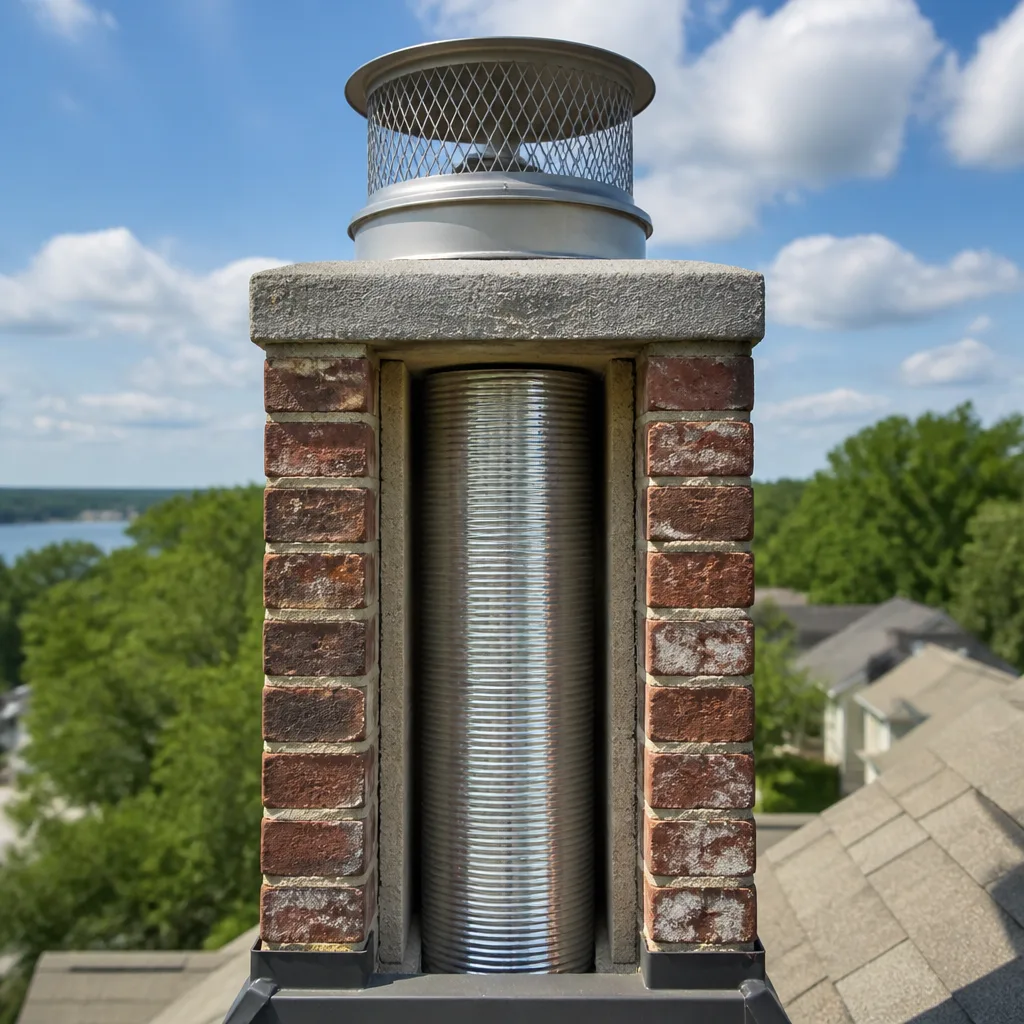 Flue relining
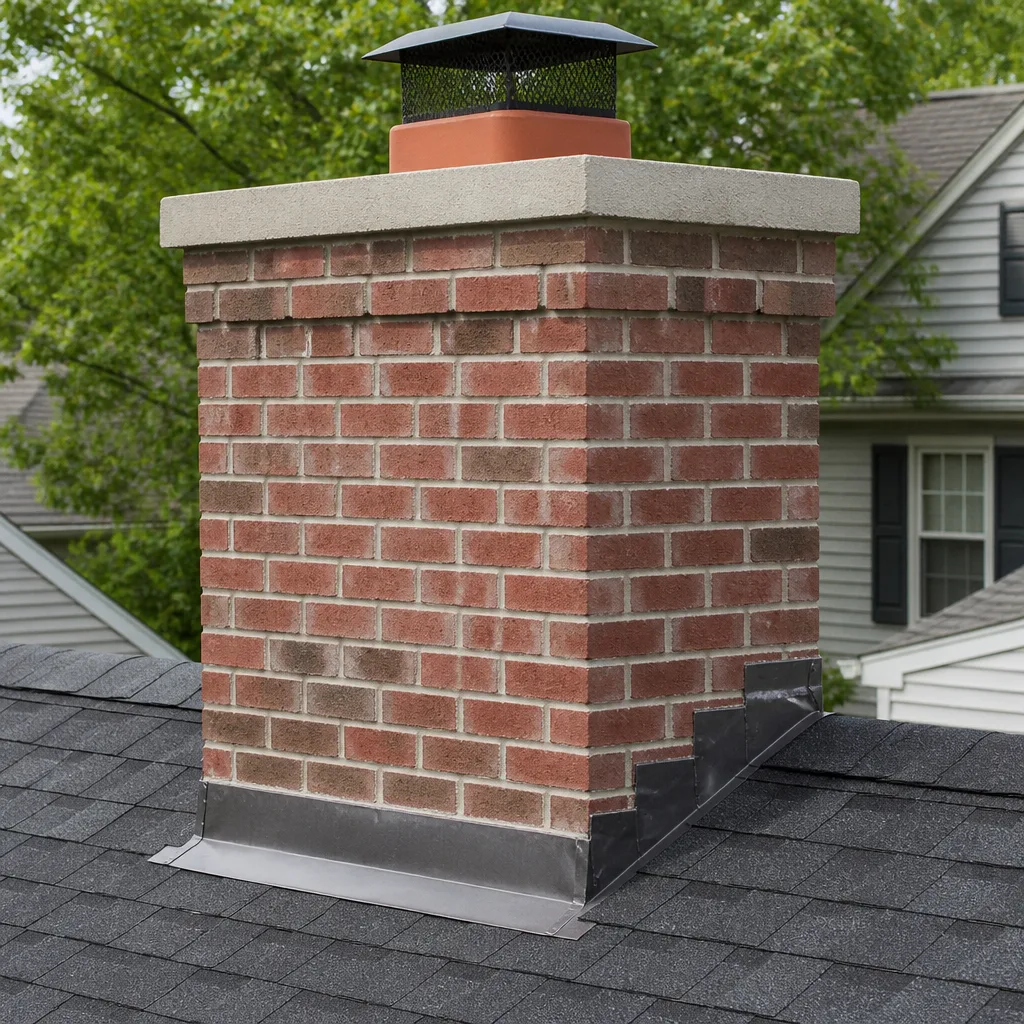 Masonry repair
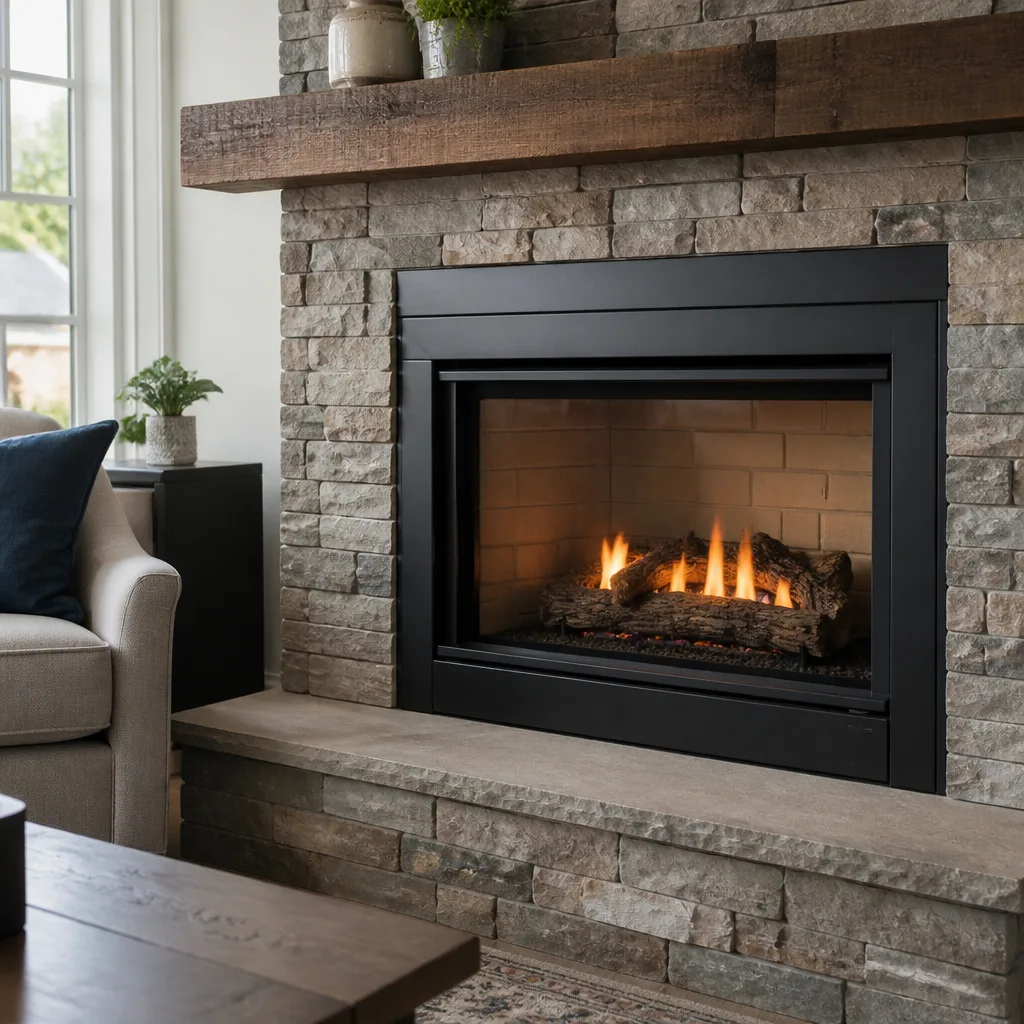 Gas fireplace service
Level 1 sweep and inspection to the NFPA 211 annual standard - flue, crown, cap, and flashing checked and photographed
Chimney sweep logs do not sweep chimneys. They loosen some creosote - which then falls where a brush and vacuum still have to collect it.
Chimney Sweep Maintenance Schedule: What to Do and When
If you light your fireplace fewer than 15 times a year, the standard “annual sweep” advice may be selling you a service you don’t need yet. But skipping the post-monsoon inspection can set up a problem you won’t see until it’s expensive. Those two facts pull in opposite directions, and most generic schedules ignore both of them. What follows is a maintenance calendar built around how much wood you actually burn, what fuel you use, and what Mesa’s dust, monsoon season, and mild winters do to masonry between visits. You’ll get usage tiers, two local checkpoints, safe between-visit tasks, and a log system that speeds up every future appointment.
Quick Answer
In Mesa, a wood-burning chimney used occasionally (under 15 fires a year) needs a professional inspection every 12 months and a sweep roughly every other year. Moderate use (15 to 50 fires) means an annual sweep. Frequent use (50+ fires) calls for a sweep every cord of wood and an inspection each fall. Regardless of tier, every Mesa chimney should get a structural check after monsoon season in September and a cleaning before burn season in October or November.
Styles & brands we work with
- Sweep & inspection
- Caps & crowns
- Flue relining
- Masonry repair
- Gas fireplace service
Table of Contents
- Why Generic Annual Advice Fails in Mesa
- The Three Usage Tiers and What Each One Needs
- The Mesa Two-Checkpoint System: September and October
- Creosote: What It Is and How Fast It Builds
- What You Can Safely Check Between Professional Visits
- Gas Fireplace Schedules in Arizona’s Climate
- The Burn Log: A Simple Record That Cuts Diagnostic Time
- A Month-by-Month Mesa Chimney Calendar
Why Generic Annual Advice Fails in Mesa
The phrase “get your chimney swept once a year” comes from cold-climate guidance written for homes that burn wood six months out of twelve. Mesa isn’t that. Winter here is mild enough that most fireplaces see a handful of evening fires between November and February, if that. Meanwhile, the seasonal stressor that actually affects Mesa chimneys isn’t cold, it’s the monsoon: driving rain, wind-blown dust, and the grit that settles on caps, crowns, and masonry over the summer.
So the calendar has to do two jobs. First, it has to match cleaning to real creosote accumulation, which depends on how much you burn and how you burn it. Second, it has to catch structural damage that summer storms may have caused before you start a fire in the fall. Those are different tasks on different dates. Compressing them into one annual visit leaves a gap.
We see the result of that gap often when we arrive for a chimney sweep in Mesa. A flue that’s clean but whose crown has a hairline crack from monsoon runoff. A cap that shifted in a windstorm and let debris in. A damper that rusted shut over a wet summer. None of those show up in a sweep alone. They show up in an inspection, and they show up in September, before the first fire of the season.
There’s a second local factor too: dust. Mesa’s dry months leave a fine layer on everything exposed, and that includes the top of the firebox, the smoke shelf, and the cap screen. It doesn’t burn, but it accumulates, and it makes a flue look dirtier than it is. An inspection tells you the difference between dust and creosote. A sweep on a schedule you don’t need doesn’t.
The Three Usage Tiers and What Each One Needs
Creosote buildup tracks how much wood you burn, not how many years have passed. That means the right schedule is the one that matches your actual burn rate. Here’s how we sort Mesa homeowners into three tiers, and what each tier’s calendar looks like.
Tier 1: Occasional Use (Under 15 Fires a Year)
You light the fireplace a few times in December and January, mostly for atmosphere. Your needs are:
- Annual inspection: every 12 months, ideally in September after monsoon season.
- Sweep: roughly every two years, or sooner if the inspection shows measurable buildup.
- Cap and crown check: included in the September inspection.
- Gas or wood: if you’re burning wood, make sure it’s seasoned. Wet wood is the fastest route to creosote even at low volume.
Tier 2: Moderate Use (15 to 50 Fires a Year)
You burn regularly through the cooler months, maybe a fire several evenings a week from November through February. Your needs are:
- Annual sweep: once a year, scheduled in October or early November before the season starts.
- Annual inspection: the same visit can cover both, but confirm the technician inspects the flue, not just the firebox.
- Mid-season look: a visual check of the firebox and damper in January is worth the five minutes.
Tier 3: Frequent Use (50+ Fires a Year or More Than One Cord)
Your fireplace is a real heat source. You burn most nights from November through February and maybe into March. Your needs are:
- Sweep every cord of wood burned, or once a year, whichever comes first.
- Inspection each fall, plus a follow-up if you notice smoke rolling into the room or a change in draft.
- Creosote check mid-season: if you’re burning more than a cord, a mid-January inspection is worth it.
- Cap, crown, and flashing check: every September without exception.
The tiers aren’t rigid. If you burn 40 fires a year but they’re all slow, smoldering overnight burns with unseasoned wood, you’re effectively a Tier 3 from a creosote standpoint. The schedule follows the buildup, not the count.
The Mesa Two-Checkpoint System: September and October
Most chimney advice assumes one visit a year covers everything. In Mesa, two dates do the work better than one, because the two jobs are different and they happen at different times.
Checkpoint 1: The Post-Monsoon Structural Check (September)
Monsoon season runs through the summer, and its effects on a chimney are mostly structural. Wind-driven rain finds cracks in the crown and flashing. Dust and debris accumulate on the cap and screen. Masonry joints that looked fine in spring can show new wear by September.
The September visit is an inspection, not necessarily a cleaning. Its job is to look at:
- The chimney cap and spark screen, damaged or displaced by wind.
- The crown, looking for cracks or spalling that could let water in.
- Flashing at the roofline, where leaks usually start.
- The visible flue, looking for cracks or gaps in the liner.
- The firebox and damper, checking for rust or parts that seized over summer.
If anything needs repair, you have weeks to get it done before the first fire. If nothing does, you’ve confirmed it and you’re done. This is the checkpoint most homeowners skip, and it’s the one that catches the problems a sweep would never see.
Checkpoint 2: The Pre-Burn Cleaning (October or November)
The pre-burn visit is the sweep. You want a clean flue before your first fire, not after your last one. Soot and creosote sitting in a flue over summer do nothing useful, and a flue that’s clean in October means you’re starting the season with the best possible draft.
We schedule these visits in October and early November, before the first cool evenings. It’s a sweep plus a quick walkthrough of what you’ll be burning and how. If your September inspection flagged a liner issue, we can address it during this visit, using materials like HeatShield for flue resurfacing or DuraFlex for relining when the liner needs to be replaced rather than restored.
Creosote: What It Is and How Fast It Builds
Creosote is the residue left behind when wood smoke cools inside the flue. It forms in three stages, and the stage matters more than the volume. Stage 1 is a light, flaky soot you can brush away. Stage 2 is a crusty, tar-like deposit that takes more work. Stage 3 is a glazed, hardened layer that can be difficult to remove and is the deposit most associated with chimney fires.
Buildup speed depends on four things:
- How often you burn. More fires, more smoke, more residue.
- How hot you burn. A hot, active fire produces less creosote than a slow, smoldering one. Damping a fire down for an overnight burn is the classic way to build tar.
- What you burn. Seasoned hardwood produces less creosote than unseasoned wood, softwood, or anything else that isn’t firewood.
- How the flue drafts. A cold or blocked flue cools the smoke faster, and cooler smoke deposits more creosote.
That last point is where Mesa matters. A flue that hasn’t been used since February starts the season cold, and the first few fires of the year tend to run cooler than mid-season burns. That’s another argument for a clean flue and a checked cap in October rather than a sweep in February.
If you want to know what’s in your flue, a camera inspection shows it. We don’t recommend a sweep, a liner repair, or resurfacing until we can show you the deposit stage and the condition of the liner on camera. If the creosote is Stage 1 and the liner is sound, we’ll tell you it can wait.
What You Can Safely Check Between Professional Visits
There’s a useful middle ground between “do nothing between visits” and “poke around inside the flue.” Here’s what’s safe for a homeowner in Mesa to check, and what should wait for a technician.
Safe to Do Yourself
- The cap, from the ground. Look up at the chimney cap with binoculars. Is it still sitting flat? Is the spark screen intact, or is it missing, rusted through, or pushed in? A shifted cap means debris and animals can get in. Note it and mention it when you call.
- The firebox, visually. Before you build a fire, look at the firebox walls and floor. Cracks, missing mortar joints, or material flaking off are worth a photo and a call. Don’t patch them yourself.
- The smoke test. Light a small fire and watch the smoke at the damper. If it rolls into the room instead of going up, close the damper, let it cool, and call us. That’s a draft problem, and the cause could be a blockage, a damaged liner, or a damper that won’t open fully.
- The damper operation. Open and close it by hand before the season starts. If it’s stiff or won’t seat, note that too. Don’t force it.
- The woodpile. Check that your firewood is split, stacked, and covered on top, and that it’s been seasoning long enough to burn cleanly.
Leave to a Technician
- Anything inside the flue. Climbing onto a roof and reaching into a flue is a fall hazard and a creosote exposure risk. There’s no version of that work we’d recommend a homeowner do.
- Damper repairs or firebox repairs. Mortar, refractory material, and metal parts all need the right material and the right technique.
- Liner work of any kind. This is where HeatShield resurfacing and DuraFlex relining come in, and both require a trained technician.
If a visual check turns up something that worries you, don’t run a fire to test it. Call and describe what you saw. We can tell you over the phone whether it can wait for your scheduled visit or should be looked at sooner.
Gas Fireplace Schedules in Arizona’s Climate
Gas fireplaces don’t build creosote, so the cleaning schedule is different. But “no creosote” doesn’t mean “no maintenance.” Here’s how a gas fireplace schedule differs from a wood-burning one in Mesa.
Annual inspection still applies. Gas fireplaces should be inspected once a year. The technician checks the burner, the pilot assembly, the logs or media, the glass, and the venting. In a vented gas fireplace, the vent needs to be checked for blockages, bird nests, and debris just like a chimney flue does.
Cleaning frequency is lower. Where a wood-burning fireplace might need a sweep annually, a gas fireplace usually needs a cleaning roughly every two to three years, depending on use. The glass and logs need cleaning more often, but the vent does not need the same frequent attention a wood flue does.
Arizona’s dust matters more than you’d think. A gas fireplace that sits unused for six months accumulates dust on the burner and inside the firebox. When you turn it on for the first time in the fall, that dust burns off and can smell. A quick professional cleaning before the season handles it.
Venting is still a real concern. A vented gas fireplace uses a vent that terminates on the roof or a side wall. Those terminations can be blocked by debris, nests, or a shifted cap. Our September structural check covers gas venting as well as wood flues, and it’s the reason we recommend the inspection even for gas-only homes.
If you’re not sure whether your gas fireplace needs attention, the answer is usually “let’s look.” That’s the whole point of an inspection. We’d rather tell you it’s clean than have you guess.
The Burn Log: A Simple Record That Cuts Diagnostic Time
One of the simplest things you can do for your chimney is keep a log. Not a wood log, a written record. When we know what you’ve burned and when, we can diagnose faster and often recommend less work than we would without it.
What to Record
- Date of each fire. A simple calendar mark is fine. If you burn most nights, note the range (“Nov 15 through Feb 10, most evenings”).
- Type of wood. Hardwood, softwood, seasoned, kiln-dried, or “not sure.” The type determines how much creosote to expect.
- Approximate volume. How many cords or partial cords did you burn over the season? Even an estimate helps.
- Any unusual behavior. Smoke rolling into the room, a smell when the fire is out, a damper that gets harder to work, soot on the glass.
- Service dates. When was the last sweep, inspection, or repair? A date on a card is easier than trying to remember.
Why It Helps
When you call for a Mesa Chimney Sweep, the first question we ask is about your burn history. If you can say “a cord and a half of seasoned oak, most nights from November to February, last swept two seasons ago,” we can make a much better guess about what we’ll find before we arrive. That shortens the inspection, cuts the sweep time on light deposits, and helps us tell you clearly when a sweep is needed and when it isn’t.
The log also protects you long-term. If a problem develops, a record of what’s been burned and when helps anyone looking at the chimney understand what happened. It’s the most useful five minutes of maintenance you’ll do all season.
A Month-by-Month Mesa Chimney Calendar
Here’s how the two checkpoints and the three tiers combine into a full year. Not every month needs an action. These are the ones that do.
January and February
- Mid-season visual check of the firebox and damper.
- Note any draft problems or smells; don’t wait for spring to mention them.
- Keep the burner log up to date.
March and April
- The last fires of the season. Note the final use date.
- Close the damper and cover the firebox opening if you have a draft issue with summer heat.
- If you’re a Tier 3 household burning more than a cord, this is a good time to book a sweep before the heat sets in.
May through August
- Monsoon season. Watch for water stains on the ceiling or around the chimney, and note any you see.
- Keep debris off the roof around the chimney if you can do so safely from the ground.
- This is a good window for repair work if the spring inspection flagged anything. Getting a liner relined or a crown repaired in the summer means it’s ready before fall.
September
- The post-monsoon structural check. This is the priority visit of the year.
- Cap, crown, flashing, flue, damper, and firebox.
- Camera inspection if anything looks off.
October
- The pre-burn sweep for Tier 2 and Tier 3 households.
- Confirm the flue is clean and drafting correctly.
- Do a small smoke test with a technician present or over the phone.
November
- First fires of the season. Start with a small, hot fire to warm the flue.
- Tier 1 households: this can be your annual inspection month if September slipped.
- Begin the burner log for the season.
December
- Peak burn season. Monitor the woodpile and keep the log current.
- Note any change in draft or smell. A sudden change is worth a call.
Common Mistakes to Avoid
- Sweeping once a year no matter how much you burn. A Tier 1 household doesn’t need an annual sweep; a Tier 3 household might need two. Match the schedule to usage and you’ll spend less and get better results.
- Skipping the September inspection because the fireplace “worked fine last year.” Monsoon damage doesn’t announce itself. A crown crack or a shifted cap can go unnoticed until you’re on the roof, which is exactly why the September check exists.
- Burning unseasoned wood because it’s what’s available. In Mesa, wood can sit in a yard or a store for months and still be too wet to burn cleanly. Wet wood is the single biggest driver of creosote buildup, and it defeats the purpose of a sweep.
- Damping a fire down for an overnight burn. A slow, smoldering fire builds the most creosote. A smaller, hotter fire is cleaner for the flue and does a better job heating the room.
- Treating a gas fireplace like it never needs service. Gas fireplaces don’t build creosote, but their vents, burners, and pilot assemblies need annual inspection, and Arizona dust makes a fall cleaning worth doing.
- Cleaning the flue yourself. The flue is where creosote lives and where falls happen. It’s not a job for a homeowner, and the deposit stage is not something you can judge by looking up from the firebox.
- Not keeping any record of what’s been burned or when the last service was. Without a log, every visit starts from scratch. With one, diagnostics are faster and recommendations are more accurate.
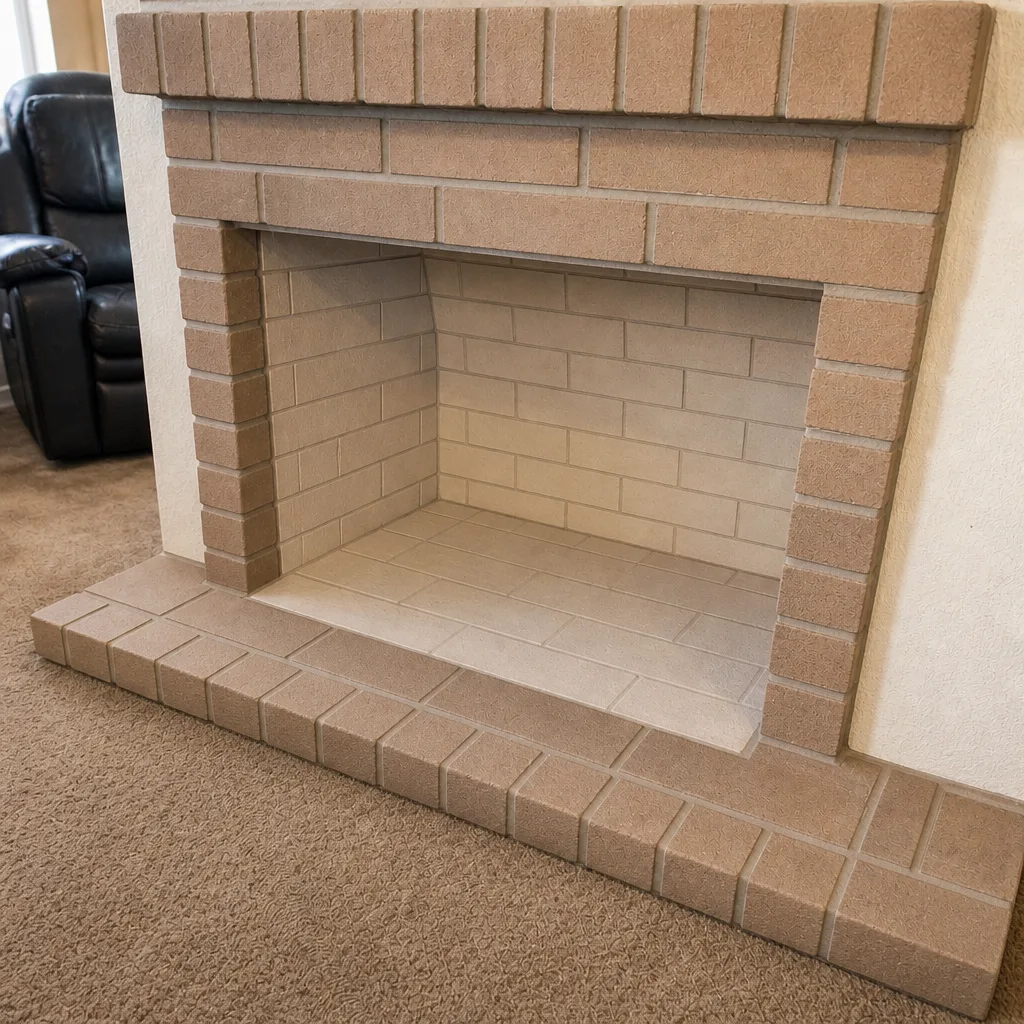
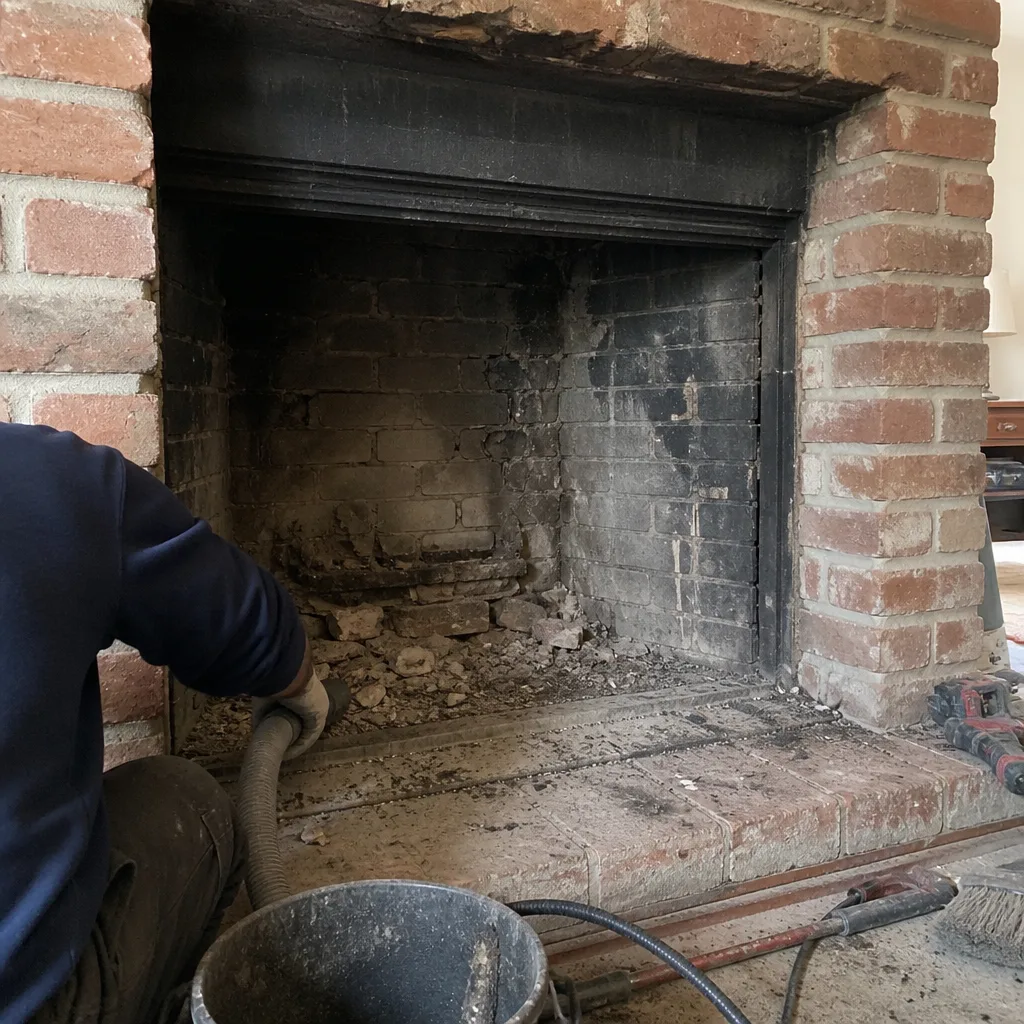
See the difference
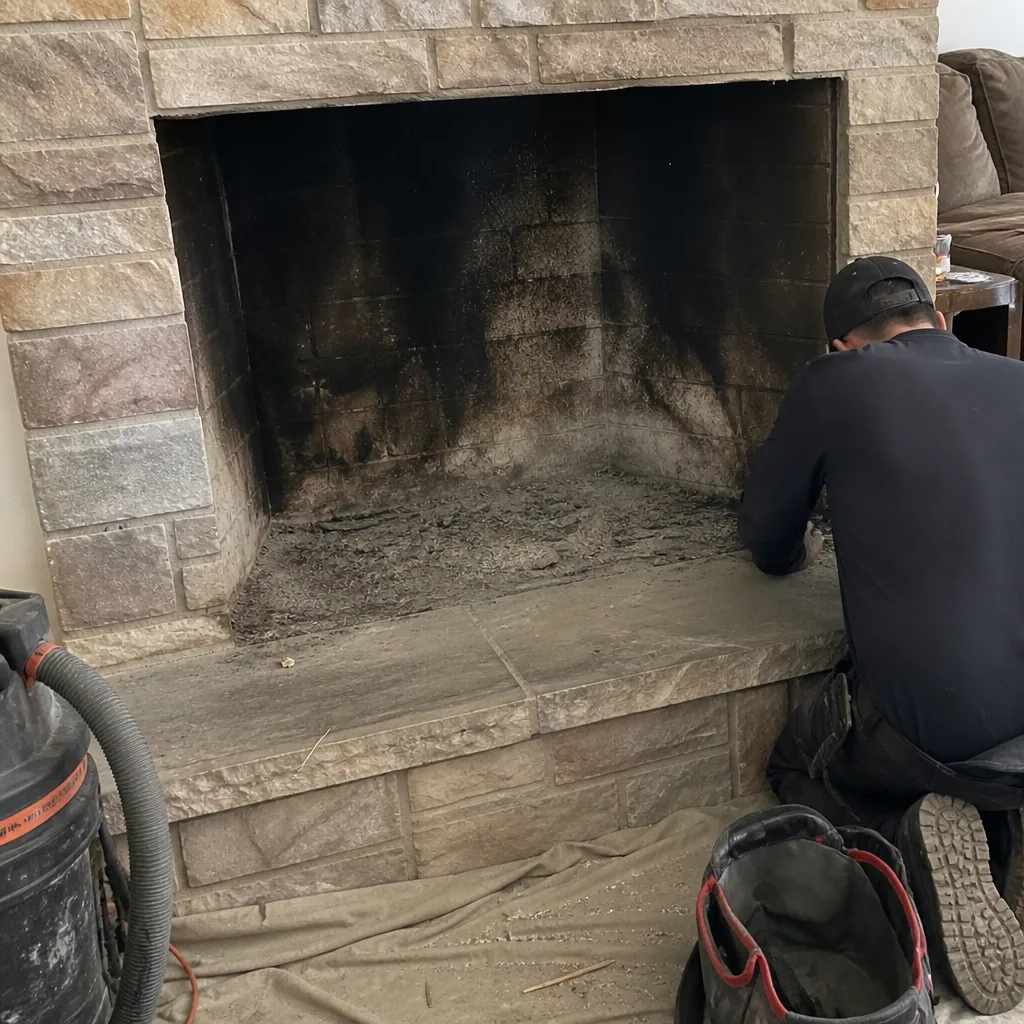 Before
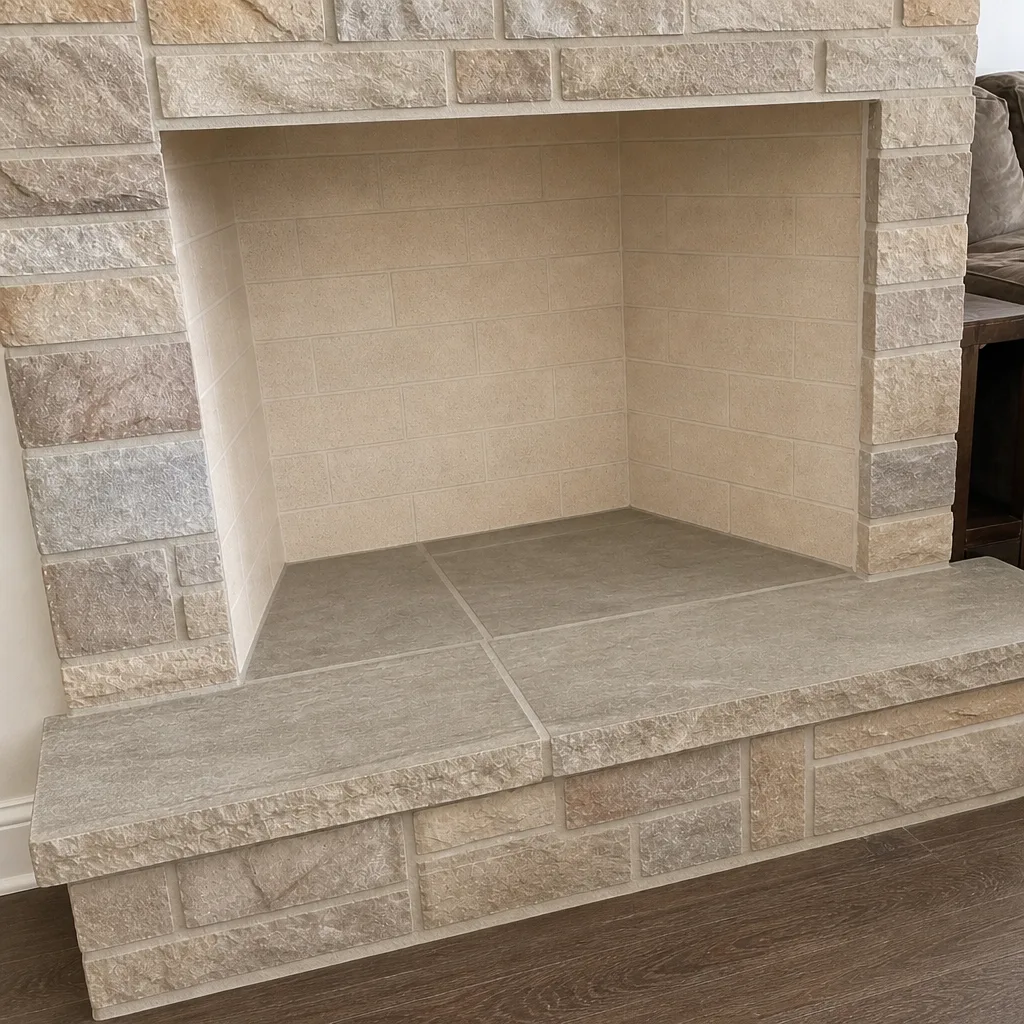 After
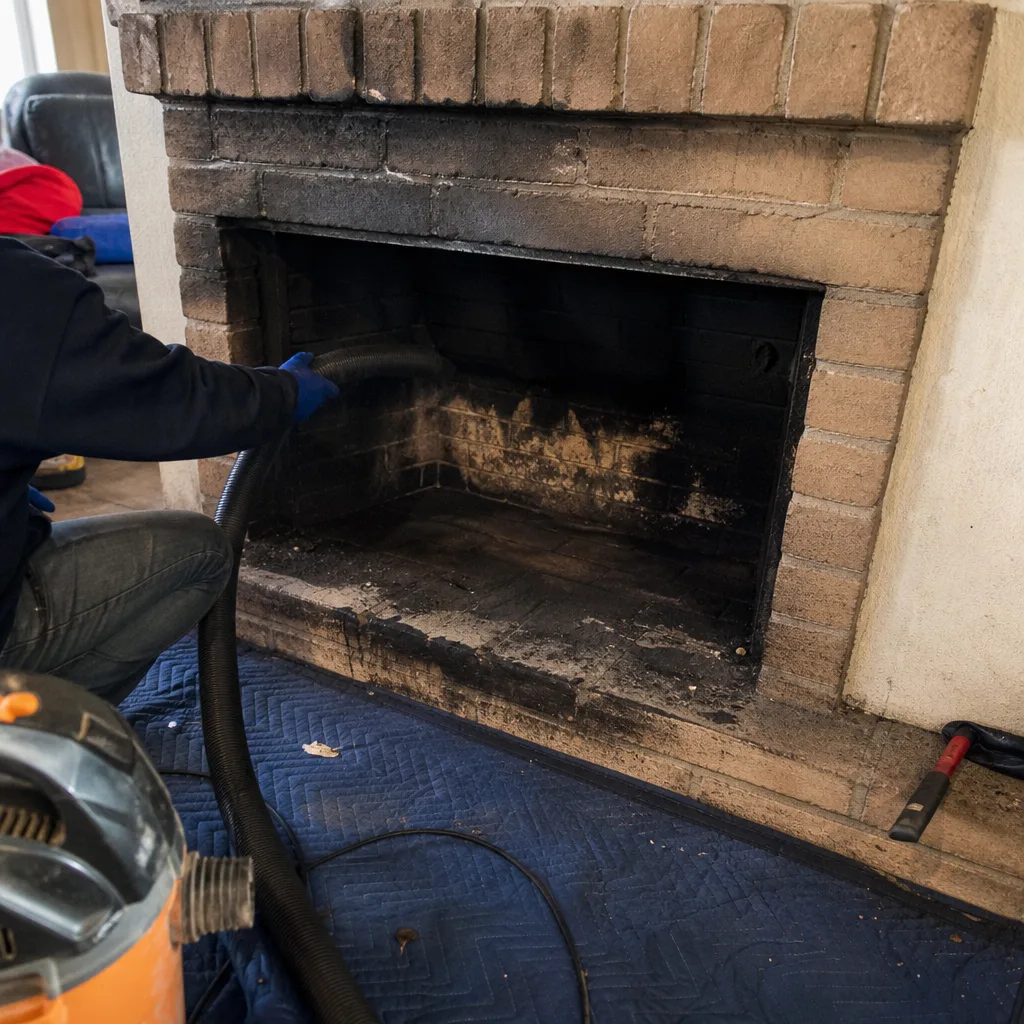 Before
 After
 Before
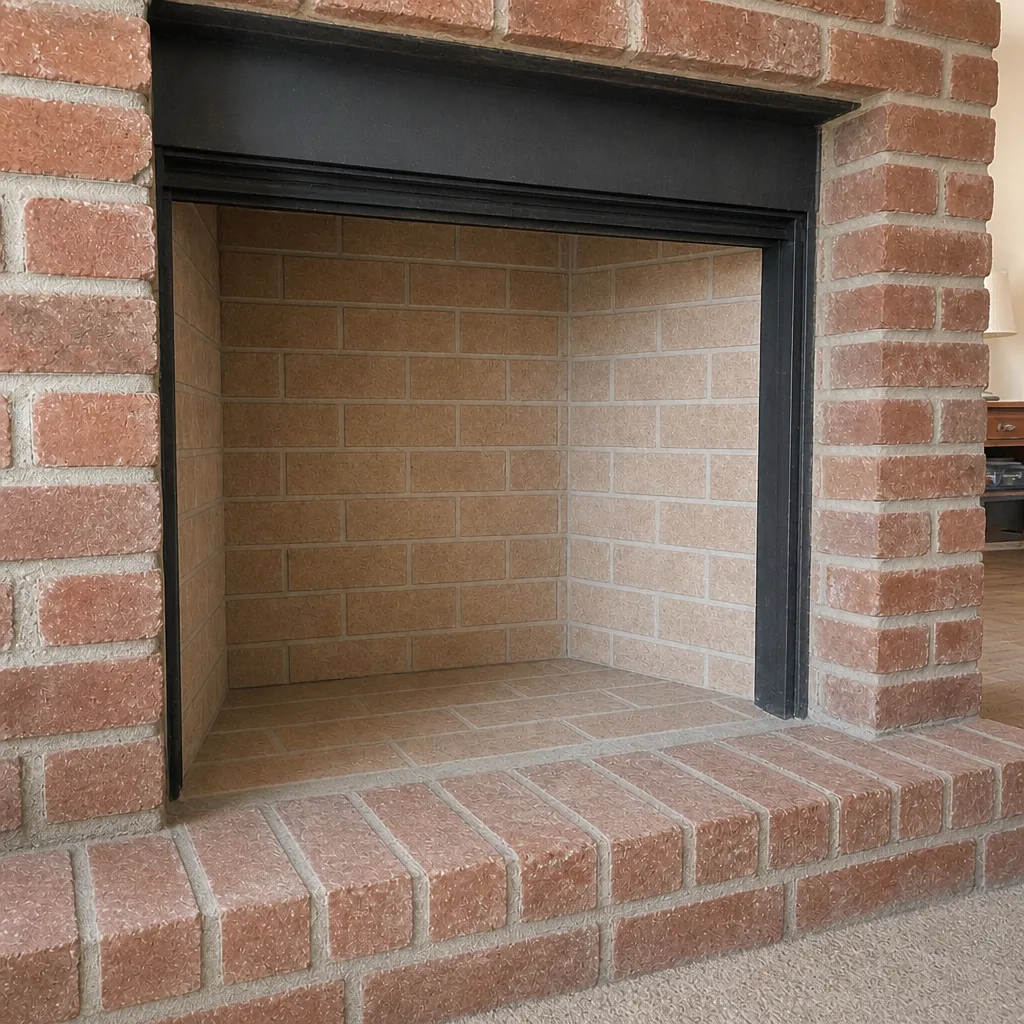 After
When to Call a Professional
Some things can wait for the scheduled visit. Others shouldn’t. Call us if you notice smoke rolling into the room when you open the damper, a strong creosote or soot smell when there’s no fire burning, visible cracks in the firebox or flue, water stains near the chimney, a cap that’s obviously damaged, or a damper that won’t open or close. Call before your first fire of the season if you haven’t had an inspection in more than a year, and call if you’re planning a repair before fall so we can schedule the work in good time.
Mesa Chimney Sweep offers free estimates in Mesa. Call (866) 796-7711. We answer 24/7. Fast dispatch from 7am to 7pm, Sunday through Friday. We can look at the chimney and tell you honestly what it needs, with photos of the flue so you can see it yourself.
Frequently Asked Questions
Sweeping frequency depends on how much wood you burn, not on a fixed calendar. Occasional users (under 15 fires a year) typically need a sweep every other year; moderate users (15 to 50 fires) need one annually; frequent users (50+ fires) need a sweep every cord of wood. Every home should have an inspection at least once a year, ideally in September after monsoon season. Call (866) 796-7711 for an exact quote – estimates are free.
Yes, but probably not an annual sweep. A low-use fireplace still needs an annual inspection because monsoon rain, wind, debris, and animals can damage a cap, crack a crown, or block a flue whether you’ve burned anything or not. The inspection tells you whether a sweep is needed. In low-use cases it’s usually every other year, and we’ll tell you so directly. Call (866) 796-7711 for an exact quote – estimates are free.
Creosote continues to build, and the longer it sits, the harder the deposit becomes to remove. Stage 1 soot brushes away easily; Stage 3 glazed creosote can require resurfacing or relining. Skipping the September inspection also means a crown crack, a shifted cap, or storm damage can go unnoticed until it leads to a bigger repair. The cost of catching things early is much lower than the cost of catching them late. Call (866) 796-7711 for an exact quote – estimates are free.
Gas fireplaces don’t build creosote, so they don’t need the same cleaning frequency. An annual inspection is still recommended, and it should include the venting on a vented unit. In Arizona’s climate, dust accumulates on the burner and logs during the off-season, so a cleaning before the season starts is worth doing. Call (866) 796-7711 for an exact quote – estimates are free.
September for an inspection and October for a sweep are the two ideal windows. That order matters: the inspection catches monsoon damage before you start using the fireplace, and the sweep makes sure the flue is clean before your first fire. Scheduling in October and November now avoids the last-minute scramble when the first cool evenings arrive. Call (866) 796-7711 for an exact quote – estimates are free.
Yes, and it’s worth doing. Your fireplace and your dryer vent are both exhaust systems, and both deserve professional attention. Dryer vent cleaning can be booked as a standalone service or added to a chimney visit, which means one appointment covers two of the most common residential exhaust hazards. If it’s been a while since your last dryer vent cleaning, mention it when you call. Call (866) 796-7711 for an exact quote – estimates are free.
The Bottom Line
The best chimney maintenance schedule for Mesa isn’t a single annual sweep. It’s a September structural check followed by an October cleaning, with the interval adjusted to how much you actually burn. Match your schedule to your usage tier, keep a burn log so your technician knows what’s in the flue before arriving, handle the safe visual checks yourself, and leave the flue, the damper, and the liner to a professional. For homes in Mesa, that combination catches monsoon damage before it becomes a repair and keeps creosote from building to a dangerous stage. If you’re due for a visit, or if it’s been more than a year, we’re ready to look. Call Mesa Chimney Sweep at (866) 796-7711 for a free estimate. We answer 24/7. Fast dispatch from 7am to 7pm, Sunday through Friday. Our technicians have up to 11 years of experience, and we work with the same pro-grade brands chimney professionals specify, including HeatShield and Copperfield, so problems found during a sweep can be repaired on the same visit.
Written by the team at Mesa Chimney Sweep.