
Last updated November 15, 2026
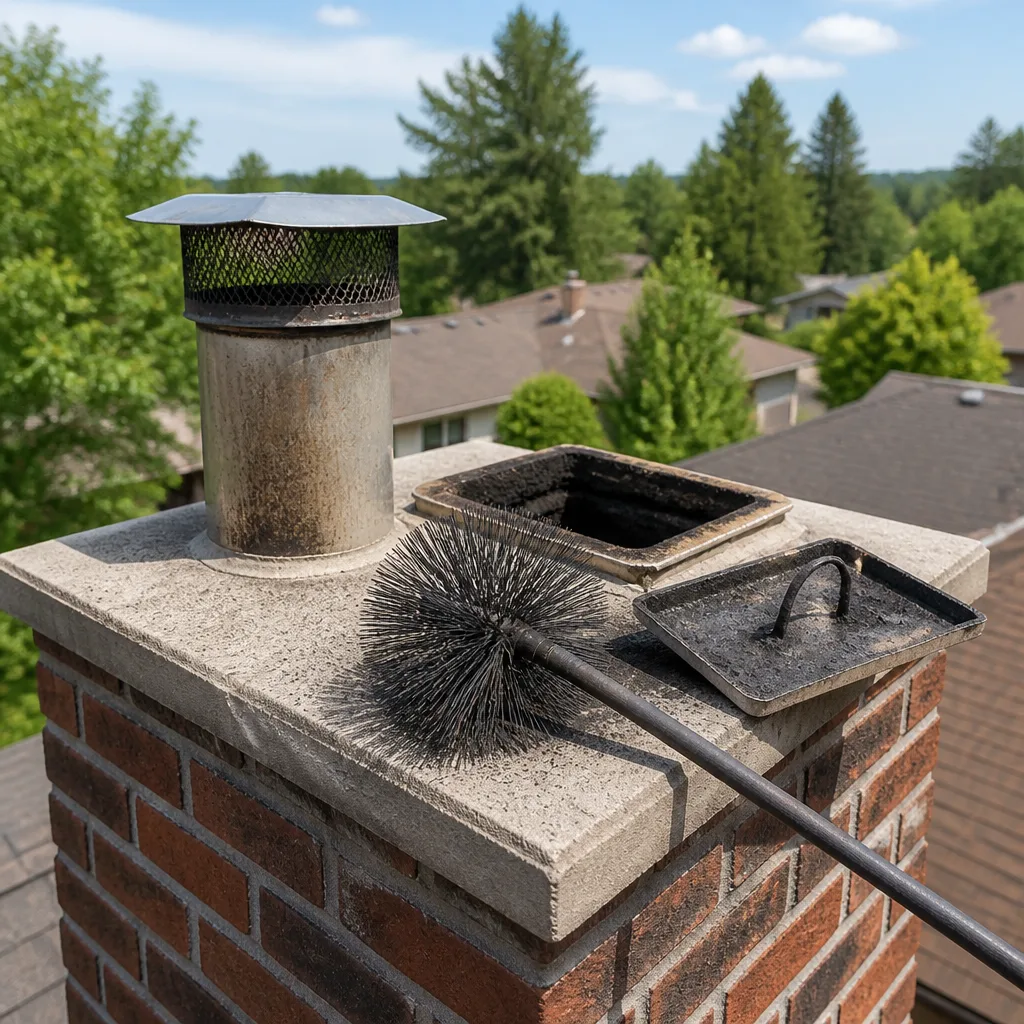 Sweep & inspection
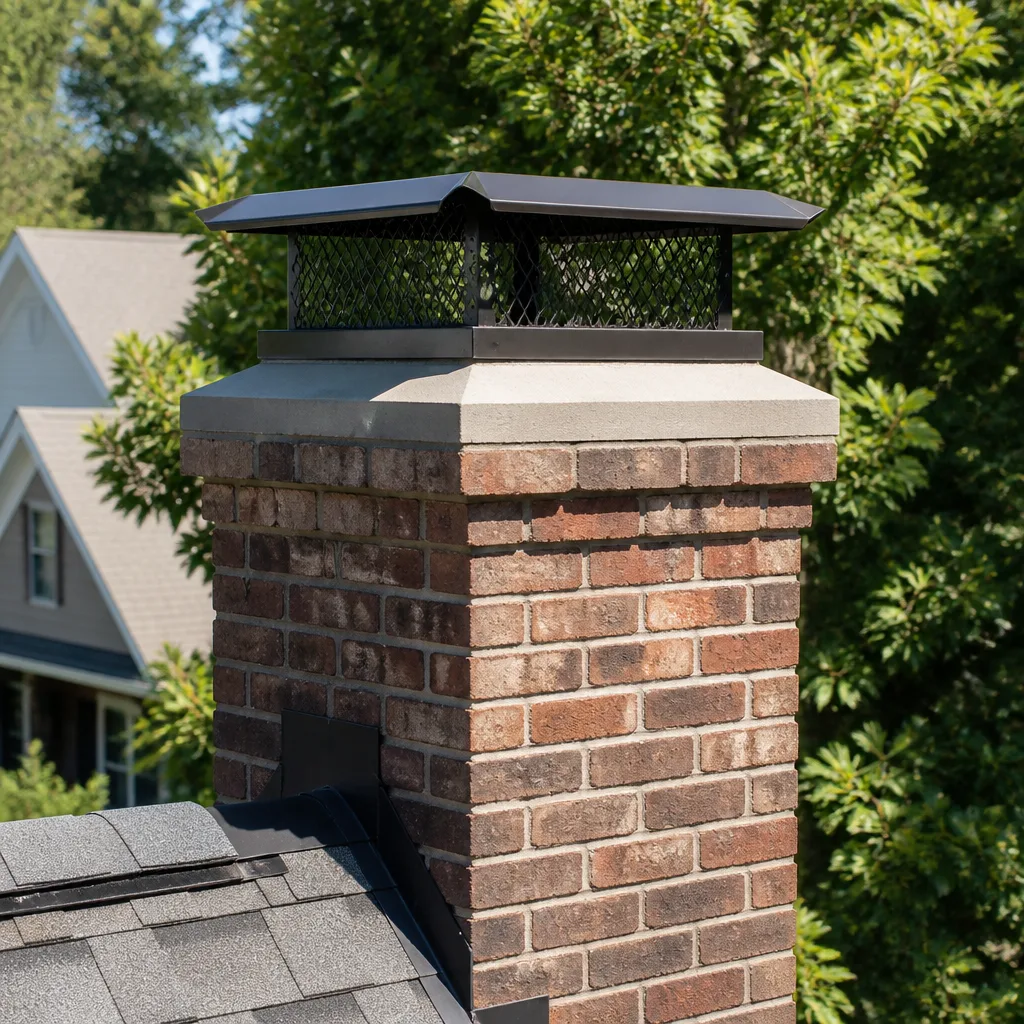 Caps & crowns
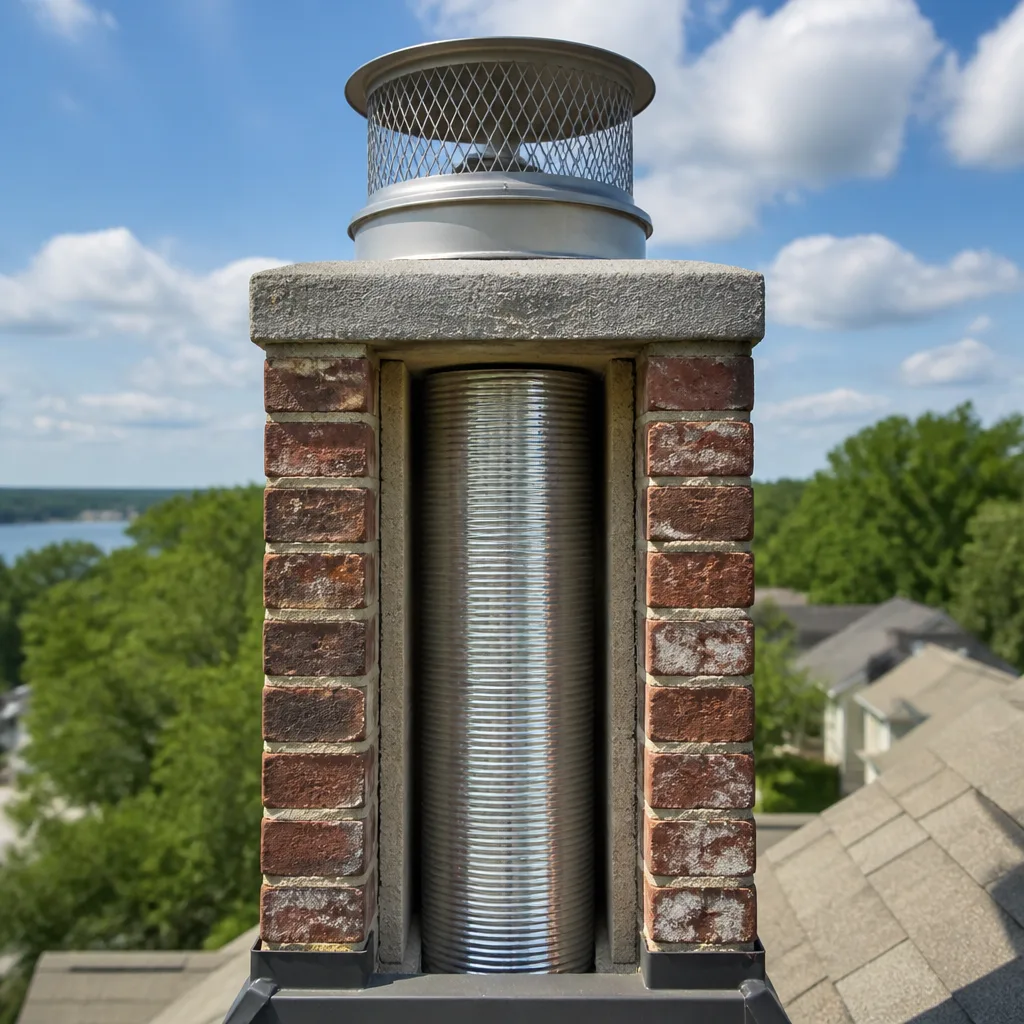 Flue relining
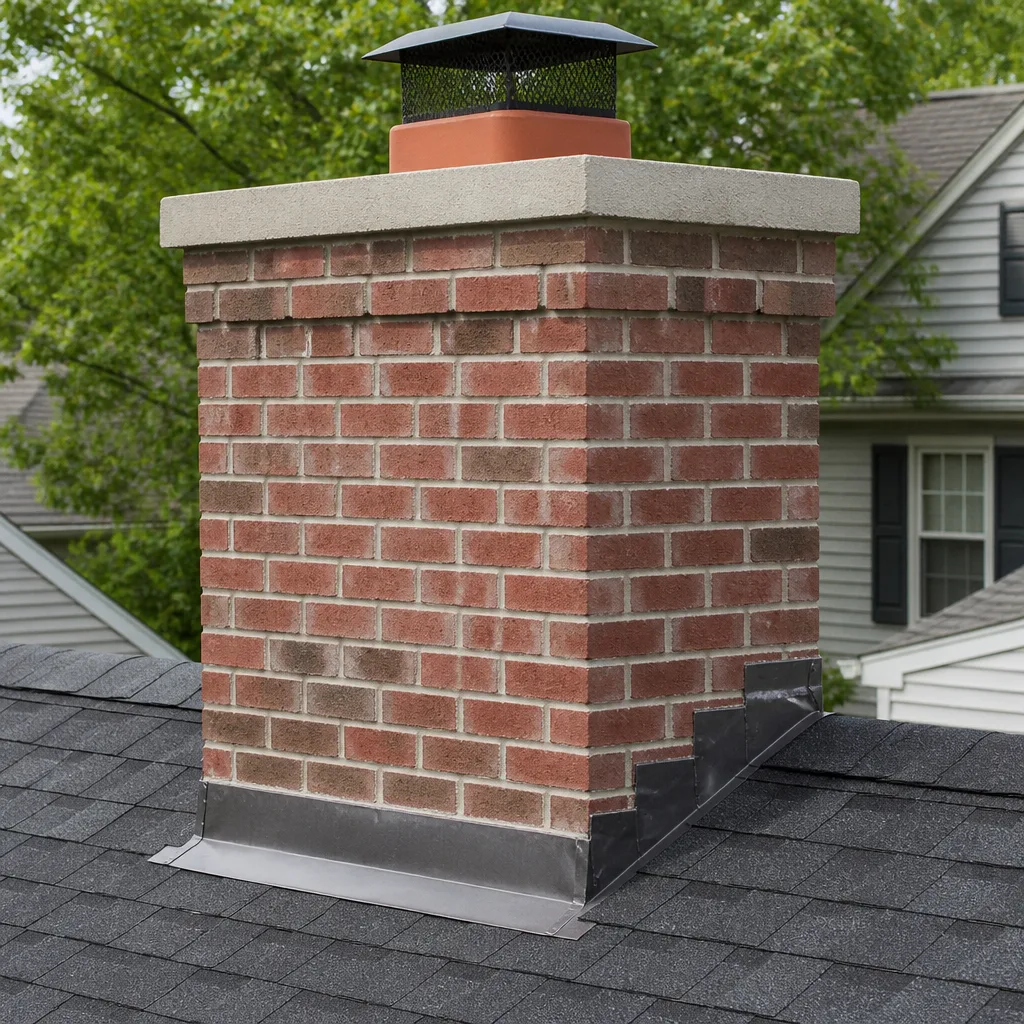 Masonry repair
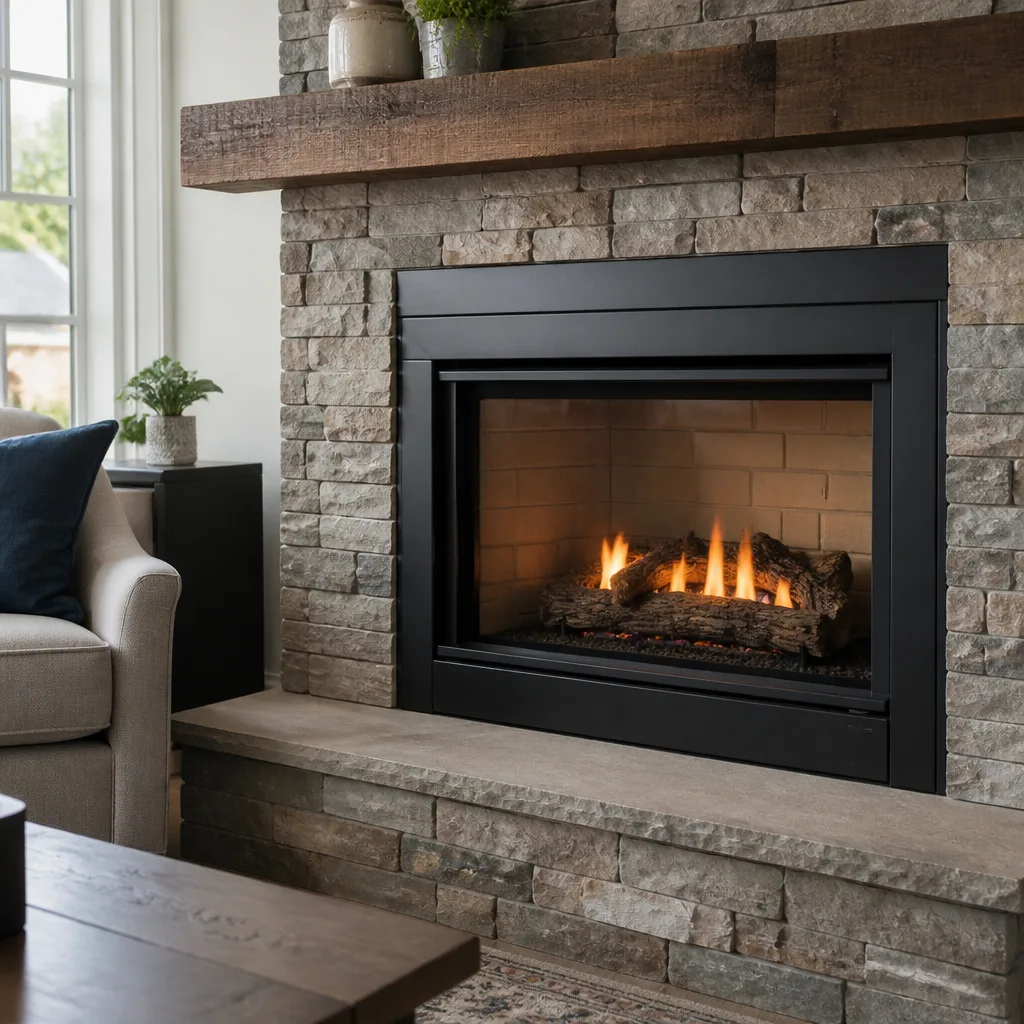 Gas fireplace service
Level 1 sweep and inspection to the NFPA 211 annual standard - flue, crown, cap, and flashing checked and photographed
Chimney sweep logs do not sweep chimneys. They loosen some creosote - which then falls where a brush and vacuum still have to collect it.
Chimney Cleaning Warning Signs: A Mesa Homeowner’s Reference Guide
By the time you smell smoke in your living room or see visible staining on your chase cover, the chimney has already been warning you for months. Most chimney warning sign articles describe conditions that are already dangerous. This guide works differently. We’re going to walk through the earlier indicators, the ones that show up quietly and get dismissed, and explain plainly what each one means mechanically. You’ll learn how draft problems, specific odors, and exterior staining each point to a different condition inside the flue, how to tell whether a haboob has blocked your chimney without climbing onto the roof, and which single interior symptom almost always means a Level II inspection needs to happen right away. If you burn wood regularly in Mesa, or live in an older home where the chimney hasn’t been serviced in years, this is the reference to keep.
Quick Answer
The earliest chimney cleaning warning signs are a lazy, reluctant draft when you first light a fire, a smell that changes from campfire-sweet to sharp or ashy, and white salt staining on the exterior masonry. None of these mean your chimney is about to fail, but all of them mean creosote, moisture, or a partial obstruction is building up and should be assessed before the next burning season. If you’re noticing any of them, a professional sweep and inspection is the right next step.
Styles & brands we work with
- Sweep & inspection
- Caps & crowns
- Flue relining
- Masonry repair
- Gas fireplace service
Table of Contents
- What Your Draft Is Telling You
- Reading the Three Chimney Odors
- Exterior Staining: What Efflorescence Means
- How to Check for a Haboob-Blocked Flue
- The One Interior Symptom That Needs a Level II Inspection
- Creosote Stages and Why Timing Matters
- The Other Exhaust System in Your Home
- Building a Simple Maintenance Rhythm
What Your Draft Is Telling You
Draft is the chimney’s job description. A wood-burning fireplace works because hot exhaust gases rise through the flue and pull fresh combustion air in behind them. When that flow gets lazy, the chimney is telling you something is restricting it or that the flue isn’t heating the way it should.
“Lazy smoke” is the term for a fire that struggles to establish a draw. You light the kindling, the flames catch, and then the smoke hangs in the firebox and dribbles out the top of the opening instead of rushing up the flue. Backdraft is more pronounced: smoke actually puffs back into the room, sometimes in a low, steady spill. Both point to a handful of possible causes, and the pattern of when it happens matters as much as the fact that it happens.
- Creosote restriction. A flue that’s narrowed by glazed or heavily crusted creosote has less open area, so hot gases move more slowly. Fires start dirty and smoke stubbornly.
- A partially blocked flue. Nesting material, a fallen cap, or debris can obstruct the outlet. Draft collapses when the top of the chimney can’t breathe.
- Cool flue. On a mild morning, the flue is cold and the first fire must overcome that cold air plug. A brief lazy start that clears within a few minutes is normal. Persistent lazy draft is not.
- Pressure imbalance. Modern homes are tight. Exhaust fans, whole-house ventilation, or a competing flue can pull air from the wrong place.
- Flue geometry or damage. A cracked liner, a section that’s shifted, or a flue that’s undersized for the firebox can produce chronic weak draft.
Here’s what makes draft a worthwhile early indicator: it typically shows up before visible staining, before noticeable smoke smell, and before a fire becomes genuinely hazardous. A single lazy burn is worth noting. Two or three fires in a row that start hard, smoke at the glass doors, or puff into the room mean something has changed and it’s worth having the flue inspected. In our experience, the pattern is what narrows down the cause. If the fire drafts poorly on mild mornings but draws fine on cold ones, cooling is the likely culprit. If draft is poor regardless of temperature, restriction or obstruction heads the list.
If you suspect restricted draft, the correct next step is a camera inspection of the flue. A chimney sweep with a camera can see the exact level and location of the obstruction rather than guessing. Importantly, weak draft is not a system where you want to improvise by extending the firebox screen, changing the fire, or ignoring it through the season. Get a trained set of eyes on the flue.
Reading the Three Chimney Odors
Chimney smells divide into three clear categories, and each one points to a different physical condition. Learning to tell them apart saves time and prevents the wrong fix.
The sharp, resinous, or barbecue-heavy smell: creosote
Creosote forms when wood smoke condenses on cooler flue walls. Fresh creosote smells sharp and resinous, close to a strong campfire. As it builds and matures, the smell gets heavier and more acrid, and it can drift down into the house during warm, damp, or still days when the flue is cold. That’s a chimney telling you it’s holding a layer of creosote it wasn’t holding a season ago. Left to accumulate, creosote progresses from light soot through flaky crust to a glazed, tar-like layer that’s significantly harder to remove and represents the higher fire risk. In a mild climate where the first fire after summer sits in a cold flue, that initial burn releases a strong creosote smell. If it persists or gets stronger as winter goes on, the deposit has grown.
The damp, earthy, or musty smell: moisture intrusion
A musty smell that peaks after rain points to moisture getting into masonry or flue components. Water vapor condenses on cold masonry or enters through a failing crown, a damaged flashing, a missing cap, or a porous chase cover. Moisture combined with creosote produces an odor that’s damp and slightly sour, not the sharp tang of a good fire. Left alone, chronic moisture degrades mortar joints and accelerates spalling.
The ammonia, droppings, or stale-animal smell: animal presence
Birds, squirrels, and other animals use uncapped or lightly screened chimneys as shelter, and the odor is unmistakable once you know it. You may smell droppings, nest material, or an ammonia-like undercurrent. In Mesa, a chimney that’s been dormant over a warm stretch without a solid cap is an easy target. Animals don’t just smell. They block flue area, leave material that can ignite, and can introduce parasites. Any animal odor or material means the flue needs clearing and inspecting before a fire is lit.
One useful discipline: smell the chimney before the first fire of the season. Lean into the firebox when no fire has burned in weeks and notice what you get. If it’s not a neutral, dry masonry smell, put it on the inspection list.
Exterior Staining: What Efflorescence Means
Efflorescence is the white, powdery salt deposit that shows up on the exterior masonry of a chimney chase. It looks like a light chalky haze or a fuzzy white bloom, sometimes with a sharper crystal edge. It forms when water moves through the masonry, dissolves mineral salts, and then evaporates at the surface, leaving the salts behind. In plain terms, it’s what happens when the wall is wetter than it should be.
On its own, efflorescence is a symptom, not a failure. It’s confirming that water is entering the masonry from somewhere. The cause might be a crown that’s lost its slope, a chase cover with a seam or fastener that’s leaking, a flashing detail that’s failing, a crack that’s opened, or a porous cap letting water in from the top. You can distinguish it from normal weathering in a simple way: normal weathering is uniform and dull; fresh efflorescence is patterned and concentrated on the wetter face or lower section. If you wet a white patch and it disappears, it’s salt bloom, not dirt or paint.
Where efflorescence becomes urgent: it turns from “watch this” to “address this now” when three things show up.
- Spalling. The masonry face starts flaking, peeling, or dropping chips at the base. That’s water pressure inside the brick pushing it apart from the inside out.
- Interior evidence. White staining appears on the interior chase wall, or the ceiling or trim near the chimney shows blotches, peeling paint, or a soft spot.
- Nesting spalling with degraded mortar. Any chunk of masonry or mortar hitting the roof or ground around the chase, combined with the salt bloom, is the point to stop putting it off.
When a flue is behind a wet masonry wall, the moisture can also agitate the liner and complicate creosote buildup. This is a case where a moisture-focused inspection by a repair-capable chimney professional is the right call, and a special resurfacing process can restore a compromised flue interior without a full teardown. We handle exterior and interior diagnosis under the same service so the finding and the fix aren’t split across several contractors.
How to Check for a Haboob-Blocked Flue
Dust storms are the local variable that chimney guides written for a wet climate never account for. When a strong wind event moves through, it can lift a remarkable amount of fine dust and deposit it where it doesn’t belong. Chimney caps and spark arrestors filter most of that, but they can also catch debris, and an uncapped or loosely capped flue is a place where a haboob can leave its mark.
You don’t need to climb onto the roof to get an early read. A dry-draft test at the firebox tells you a lot.
- Clear the firebox completely. Ash, logs, and leftover debris confuse the reading.
- Open the damper and confirm it’s fully open and functional.
- Hold a lit incense stick or a strip of paper at the edge of the open damper (inside the firebox, near the top of the opening) and watch the smoke. If the smoke rises steadily up into the flue, the draft path is open at the level you can see. If the smoke drifts sideways, stalls, or pushes back into the room, the flue is restricted or the draft is failing.
- Look up at the cap from the ground. A well-placed angle will reveal a cap packed with debris, a bent screen, or a visible deposit around the outside of the chimney. If you can’t see the cap safely, wait for a professional inspection.
- Note the timing. If draft failed right after a wind event and stayed poor for several fires in a row, suspect an obstruction. If draft is poor regardless of when the last storm was, suspect restriction or buildup.
Haboob-deposited fine dust also settles on other horizontal surfaces. Sweep dust off the firebox edge before lighting the first fire after a storm, and inspect the flue clearance around the damper. A camera inspection, which is standard on our service calls, is the definitive step when a dry-draft test is inconclusive. The test is an early warning tool, not a substitute for looking up the stack.
The One Interior Symptom That Needs a Level II Inspection
If you see or smell smoke inside the home when a fire is burning and the damper is open and the fire is burning cleanly, that’s the one symptom that should trigger an immediate pause and a Level II inspection. Smoke spilling into the living space while the damper is open means the flue is not drawing exhaust out of the building. That’s the most important early warning sign in this entire guide because it’s the point where the safety envelope has narrowed.
A Level II inspection is the standard next step whenever draft fails, whenever a chimney has changed use (for example, a switch to a new gas appliance), or whenever a homeowner is noticing a problem they can’t explain. In practical terms, it’s a comprehensive inspection that includes the flue interior with a video camera and a close look at the firebox, damper, smoke chamber, and cap. The video camera is what makes the finding objective: you can see the level of creosote, the condition of the liner, and any obstruction, on a screen in front of you, and know you’re not being sold a repair you don’t need.
What kinds of problems does a Level II inspection tend to uncover when smoke spilling is the complaint? Creosote restriction, a partially blocked or shifted liner section, a collapsed smoke shelf, a failed cap, an animal obstruction, or a flue that simply can’t move the volume of exhaust the current fire is producing. Some of these are sweep-and-clear jobs. Others are structural and need repair, relining, or HeatShield resurfacing. What we can tell you is that the video inspection comes first, and the fix follows the evidence. In our experience, plenty of “emergency” calls turn out to be a straightforward sweep plus a cap repair, and the homeowner needed the camera to know that.
When smoke spilling happens, keep the fire small or don’t light one at all until the flue has been inspected. Do not extend the firebox screen, remove the damper, or improvise a draft correction. Those are the kinds of workarounds that can push unsafe conditions further along.
Creosote Stages and Why Timing Matters
Creosote is the main deposit that chimney cleaning is designed to remove, and the reason a sweep schedule exists. It builds in stages, and each stage calls for a different approach. Knowing the stages helps you understand what a technician is dealing with when the camera comes out.
- Stage 1: light soot and flaky deposit. Dusty, powdery, easy to brush. A routine cleaning takes care of this.
- Stage 2: flaky crust and hard soot. A firmer layer that needs more brushing effort. Still removable with standard tools.
- Stage 3: glazed, tar-like creosote. The densest form, often dark, shiny, and difficult to brush away. This is the layer that changes the fire-risk calculation, and it’s where the timing matters most.
What creates creosote in the first place is cool exhaust meeting a cool flue surface. Cool, smoldering fires, wet wood, and short, hot bursts followed by long coal beds all produce more of it than a cleanly burning fire. In Mesa, the shoulder seasons are where a lot of the accumulation happens, because the fire is started and stopped and the flue doesn’t stay warm between burns. The problem with ignoring a growing deposit is that it narrows the flue, which makes draft worse, which makes fires smokier, which adds deposit. It’s a loop, and a sweep breaks it.
When a flue is in stage 2 or stage 3 and the liner shows cracking or scaling behind it, cleaning alone isn’t the answer. This is where a repair-capable company earns its place. We stock and install contractor-grade brands including DuraFlex for full relining and HeatShield for in-place flue resurfacing, which can restore a compromised flue without the teardown a full rebuild would require. The decision between resurfacing and relining depends on what the camera shows, and it’s the kind of call that needs to be made on evidence, not on a guess from the ground.
The Other Exhaust System in Your Home
Your fireplace and your dryer vent are both exhaust systems, and both deserve professional attention. The dryer vent is the second most common household exhaust system that shows a warning sign, and the signs are easy to miss because they’re spread across the laundry routine.
- Drying time creeping up. A load that used to dry in one cycle now needs two. That’s restricted airflow.
- Clothes hotter than usual at the end of a cycle. Heat that isn’t being carried away stays in the drum.
- A damp or musty smell in the laundry area that wasn’t there before.
- Visible lint accumulation around the outside vent terminal, or lint visible at the interior connection.
- Lint filter clogging more often than usual. Every load seems to fill it.
None of these is a sign the dryer itself is failing. They point to the exhaust path, which is the part you can clean. Cleaning a dryer vent is a quick, well-timed service, and the same technician who inspects your chimney can look at the vent line during the same visit. When we find a dryer vent restriction, we can clear the line that day and leave the vent working the way it should. That’s part of why we offer dryer vent cleaning as a standalone visit or alongside a chimney sweep: two systems, one stop, no split scheduling.
Building a Simple Maintenance Rhythm
The best warning sign is the one you never have to see because the maintenance rhythm prevented it. For most Mesa homeowners who burn wood regularly, an annual inspection before the burning season is the single most important piece of the schedule. Here’s how to build a rhythm that catches the early indicators.
- Book an annual inspection before the first fire of the season. The inspection is where the camera goes up the flue and you learn whether a sweep is due. It also catches efflorescence, cap damage, and dryer vent restriction before they turn into a repair.
- Smell the chimney after a long warm stretch. Note whether it’s a neutral masonry smell or one of the three odors above.
- Watch the first two fires of the season. Draft, smoke behavior at the opening, and where the smoke goes tell you what the flue is doing.
- Do a dry-draft test after any major wind event. It’s a five-minute check with an incense stick, and it catches a haboob-blocked flue before a fire does.
- Look at the exterior after rain. Fresh white staining, spalling, or a changed cap appearance is worth a photo and a call.
- Keep the dryer vent on the same schedule. When the chimney is serviced, the vent line gets checked too.
If the chimney hasn’t been serviced in years, the first visit sets a baseline. Everything after that is comparison, and comparison is what turns warning signs into confidence instead of guesswork. That’s the rhythm: inspect, watch, and act on what you see.
Common Mistakes to Avoid
- Waiting for smoke in the living room before calling anyone. Smoke spilling into the room is a late indicator. The lazy draft and the odor change came first and were visible weeks earlier.
- Treating every smell as creosote. Creosote has a sharp, resinous smell, moisture has a musty one, and animals have a distinctly stale or ammonia-like one. The wrong diagnosis means the wrong fix.
- Reading efflorescence as ordinary weathering. White salt staining is a moisture signal, not a paint or dirt issue. If it’s patterned or concentrated on one face, water is entering the masonry.
- Climbing onto the roof to check for a haboob blockage. Steep-pitch and height work is a genuine safety risk. A dry-draft test from the firebox and a camera inspection from the ground gets the same answer without you on the roof.
- Burning wet or unseasoned wood to stretch the woodpile. Wet wood is the single most efficient way to accelerate creosote. Dry wood, hot fires, and a clean flue work together.
- Sweeping once and assuming it stays clean through the next few seasons. Creosote reform is a function of burn habits, not of the previous cleaning. A flue that was clear last year can have a stage 2 deposit by the end of the next.
- Splitting the dryer vent from the chimney maintenance. Both are exhaust systems and both show the same kind of early warning signs. Scheduling them apart is how one of them gets forgotten for years.
See the difference
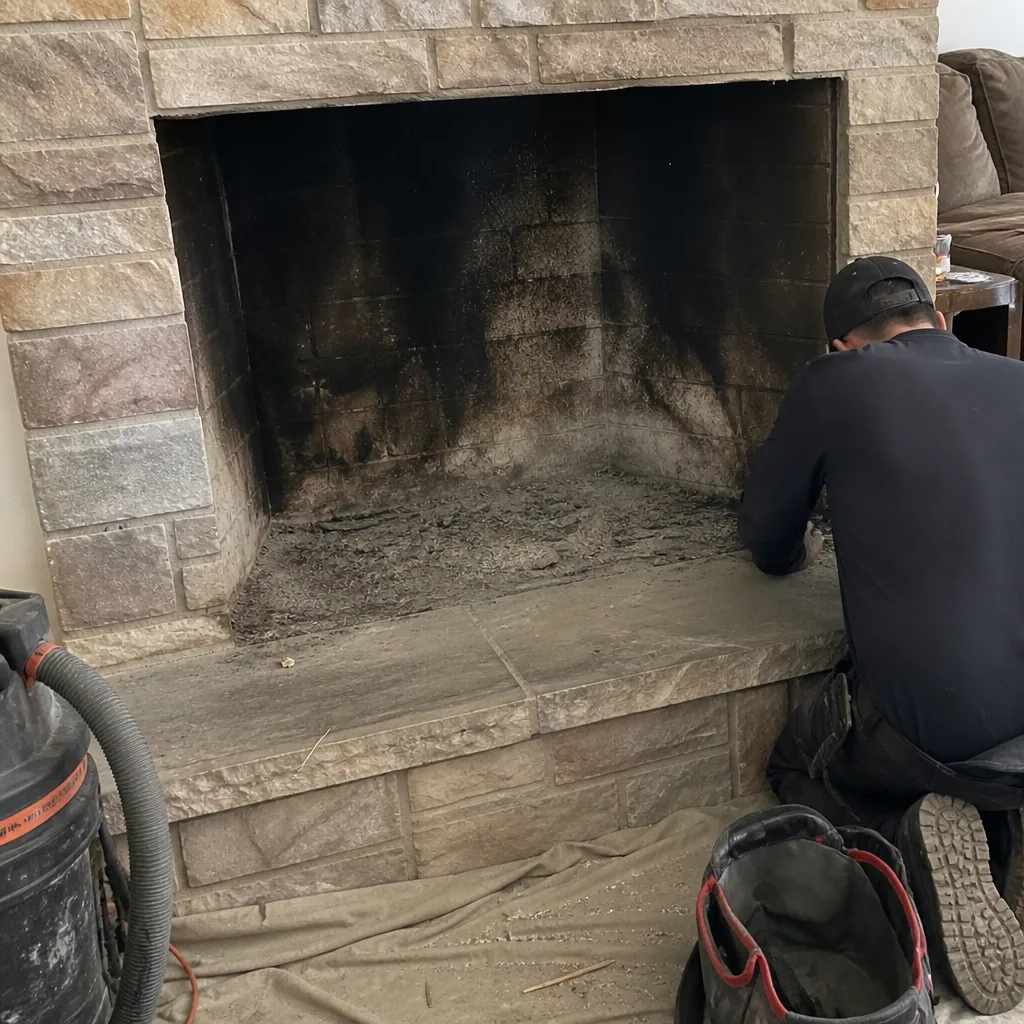 Before
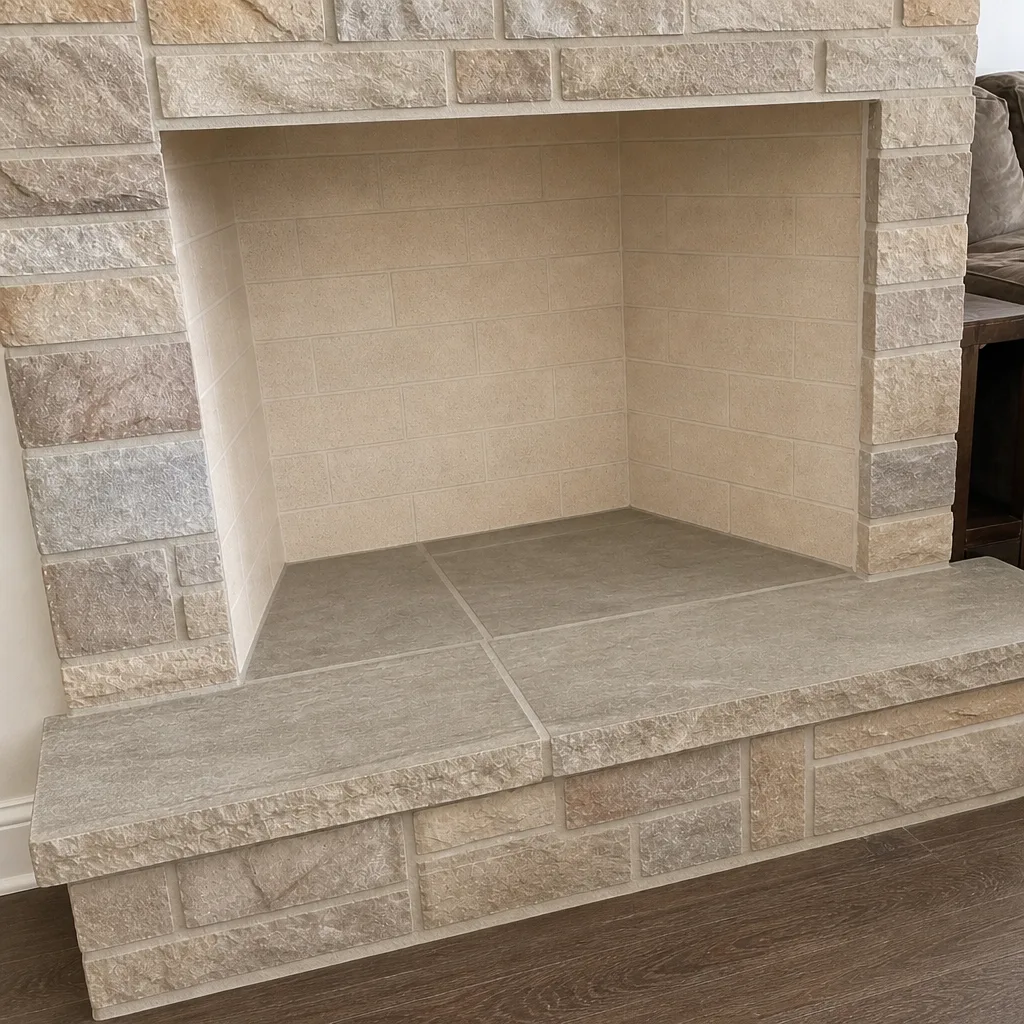 After
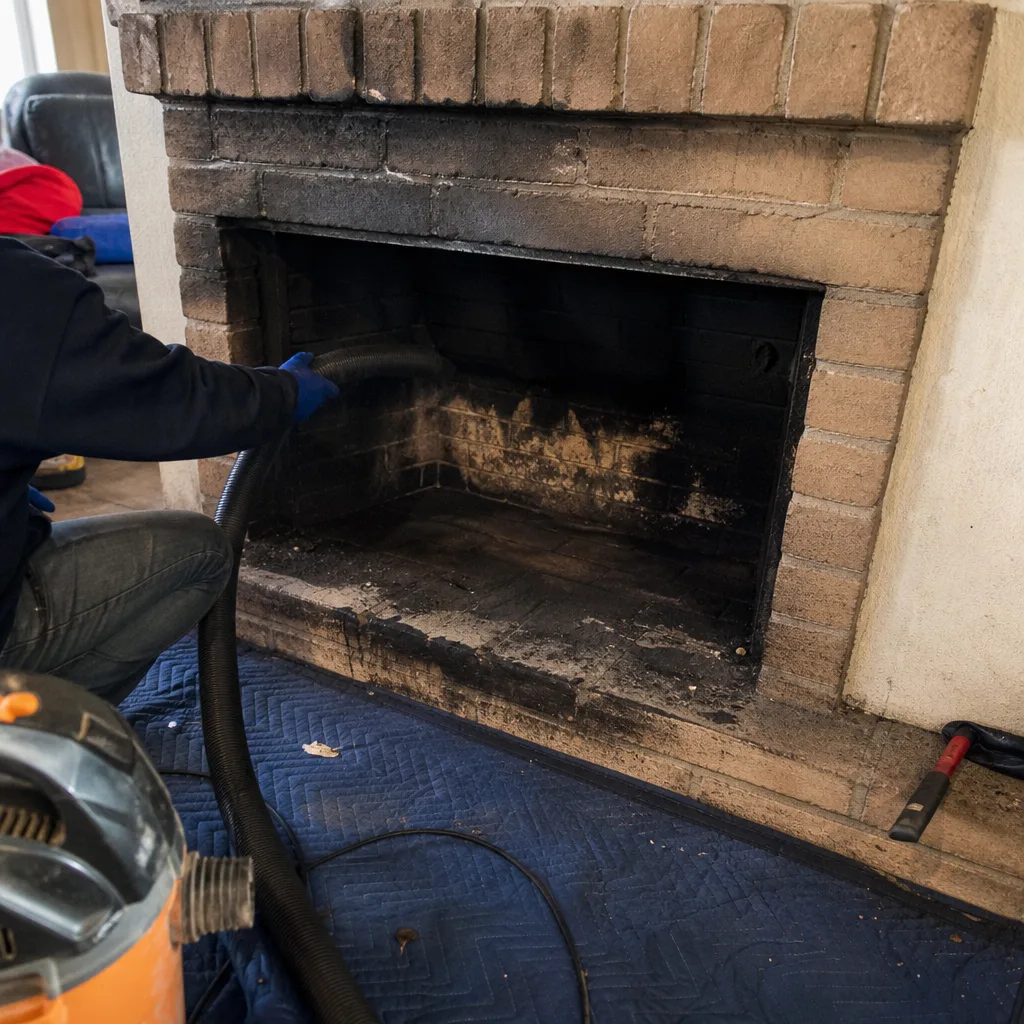 Before
 After
 Before
 After
When to Call a Professional
Some conditions are safe to note and wait on. Others are not. Call for an inspection when you see or smell smoke spilling into the living space with the damper open, when draft has been poor across several fires in a row, when you notice one of the three odors persisting, when white efflorescence is paired with spalling or interior staining, when a chimney has not been serviced in years, or when a haboob or wind event has left the flue unverified. A trained chimney professional should also be the one to handle any work inside the flue, any roof-adjacent diagnosis, or any repair to the liner or smoke chamber. Those are not homeowner jobs, and doing them yourself risks real injury. Mesa Chimney Sweep offers free estimates in Mesa. We don’t just clean; we inspect, diagnose, and repair on the same visit, and we show you exactly what we find. Call (866) 796-7711. We answer 24/7. Fast dispatch from 7am to 7pm, Sunday through Friday.
Frequently Asked Questions
Most wood-burning chimneys in Mesa need sweeping based on use, not a fixed calendar. A common rhythm is an annual inspection, with a sweep booked whenever the inspection finds a deposit layer that warrants it. If you burn wood regularly, plan on one inspection a year and let the camera decide whether a sweep is due. Call (866) 796-7711 for an exact quote. Estimates are free.
Lazy smoke means the fire is producing exhaust faster than the flue is moving it out of the firebox. That points to a restriction in the flue, a cold flue that hasn’t warmed, or an obstruction at the top of the chimney. A brief lazy start on a mild morning is normal. Persistent lazy draft is a reason to book an inspection.
Do a dry-draft test at the firebox with a lit incense stick or paper strip and watch whether the smoke rises cleanly up the flue or stalls and pushes back. Then look at the cap from the ground at a safe angle. If the draft failed right after a wind event and stayed poor, suspect an obstruction and have the flue inspected with a camera.
White salt staining, called efflorescence, means water is moving through the masonry and evaporating at the surface. It’s a symptom of a moisture source, not a cosmetic issue. It becomes urgent when the masonry starts flaking away, when similar staining appears inside near the chase, or when mortar and chips are hitting the roof or ground.
A Level II inspection is the right call whenever smoke is spilling into the living space with the damper open, whenever the flue has changed use, or whenever a homeowner notices a problem that can’t be explained. It includes a camera view of the flue interior, which is the only way to see creosote level and liner condition objectively. Call (866) 796-7711 for an exact quote. Estimates are free.
Your fireplace and your dryer vent are both exhaust systems, and both show the same kind of early warning signs. Cleaning both in one visit avoids the situation where one system gets serviced for years and the other is forgotten. We offer dryer vent cleaning as a standalone or add-on Service call, and the vent inspection fits neatly into a chimney visit.
The Bottom Line
The warning signs that matter most are the ones that appear early, not the ones that appear dangerous. Lazy draft, a change in chimney odor, white salt staining on the exterior, a post-haboob draft failure, and smoke spilling into the living space are all early signals that point to a specific condition inside the flue. Learning to read them keeps a routine sweep from becoming a structural repair. When in doubt, get the camera up the flue and let the evidence decide. A home in Mesa that stays on an annual inspection rhythm catches the small things before they compound. Call (866) 796-7711 for a free estimate; we answer 24/7 and dispatch Sunday through Friday, 7am to 7pm. If you’re in the Mesa area and want a trained eye on your chimney, the team at Mesa Chimney Sweep is ready to take the call – whether you need a sweep, a repair, or a dryer vent cleaned. Estimates are free, and the price is always set per job by the written estimate.
Written by the team at Mesa Chimney Sweep.