
Last updated November 15, 2026
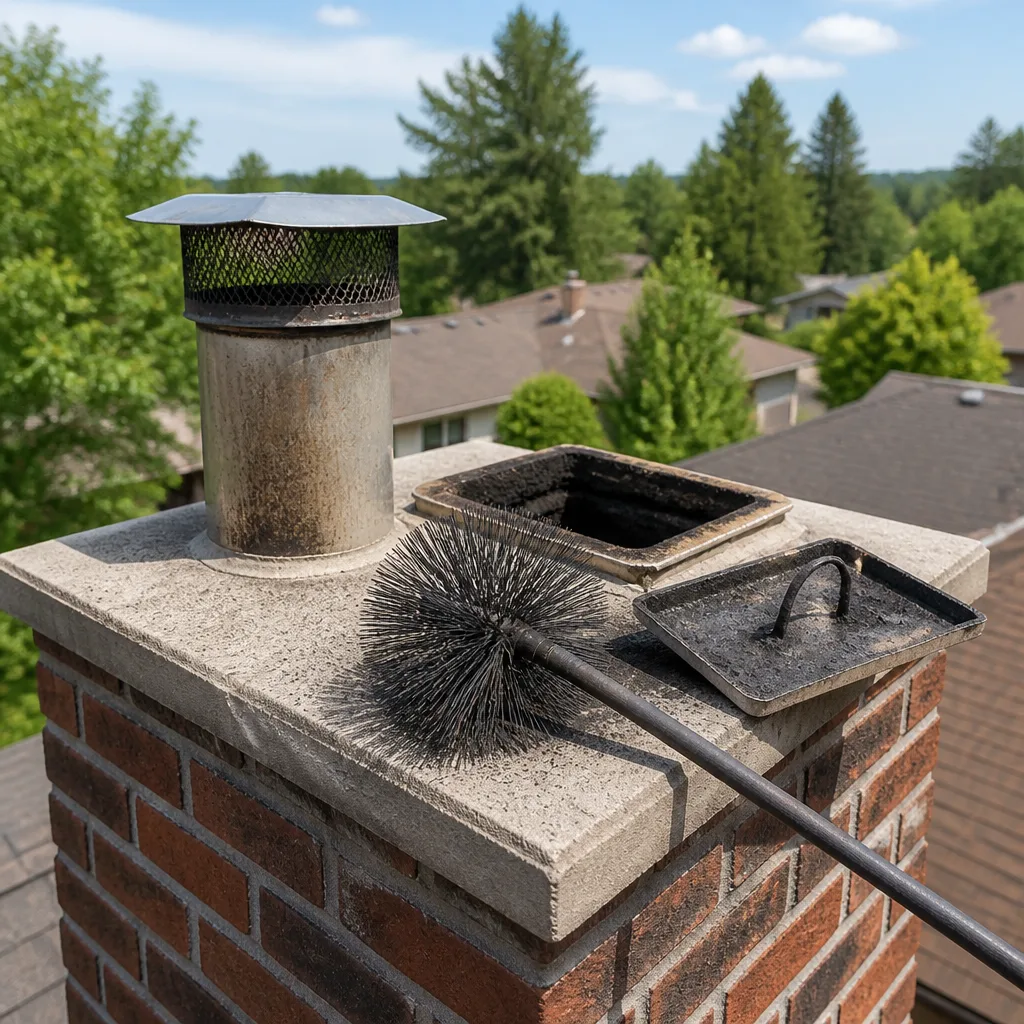 Sweep & inspection
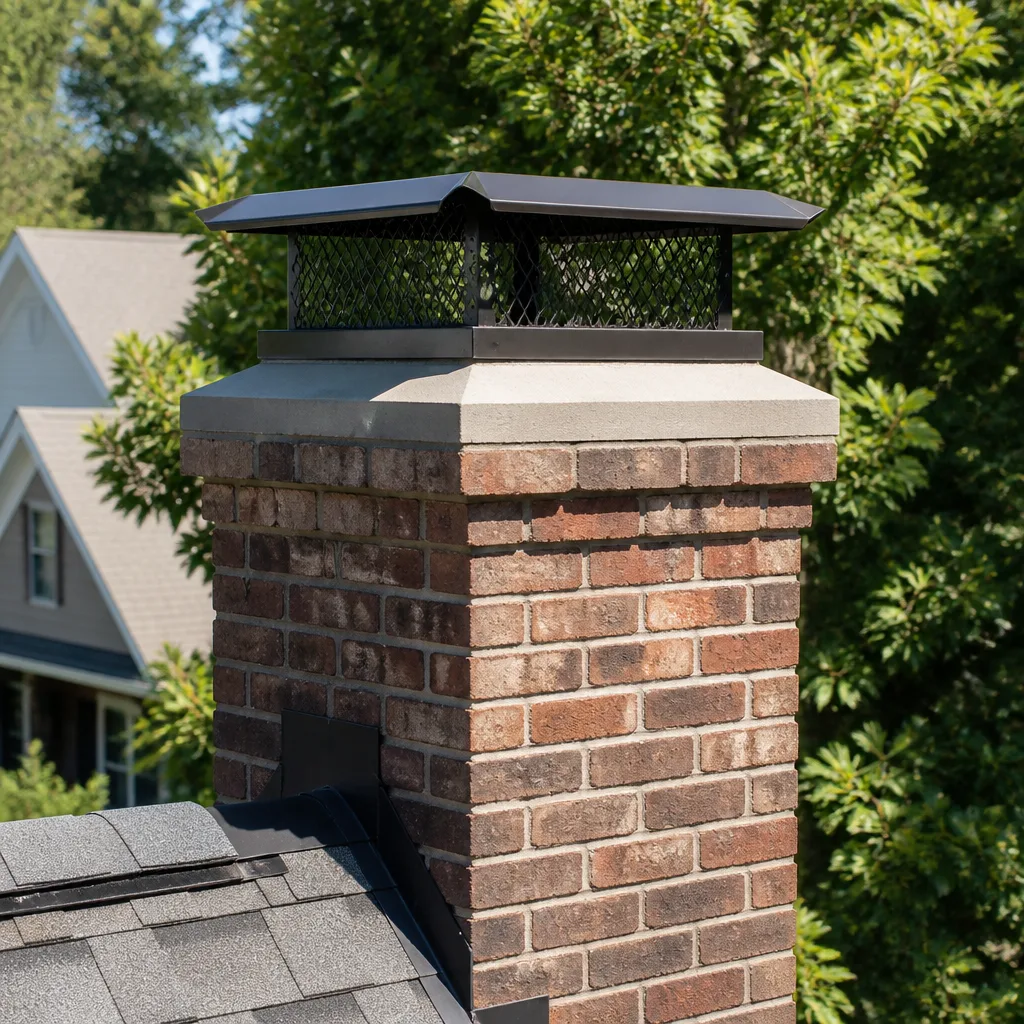 Caps & crowns
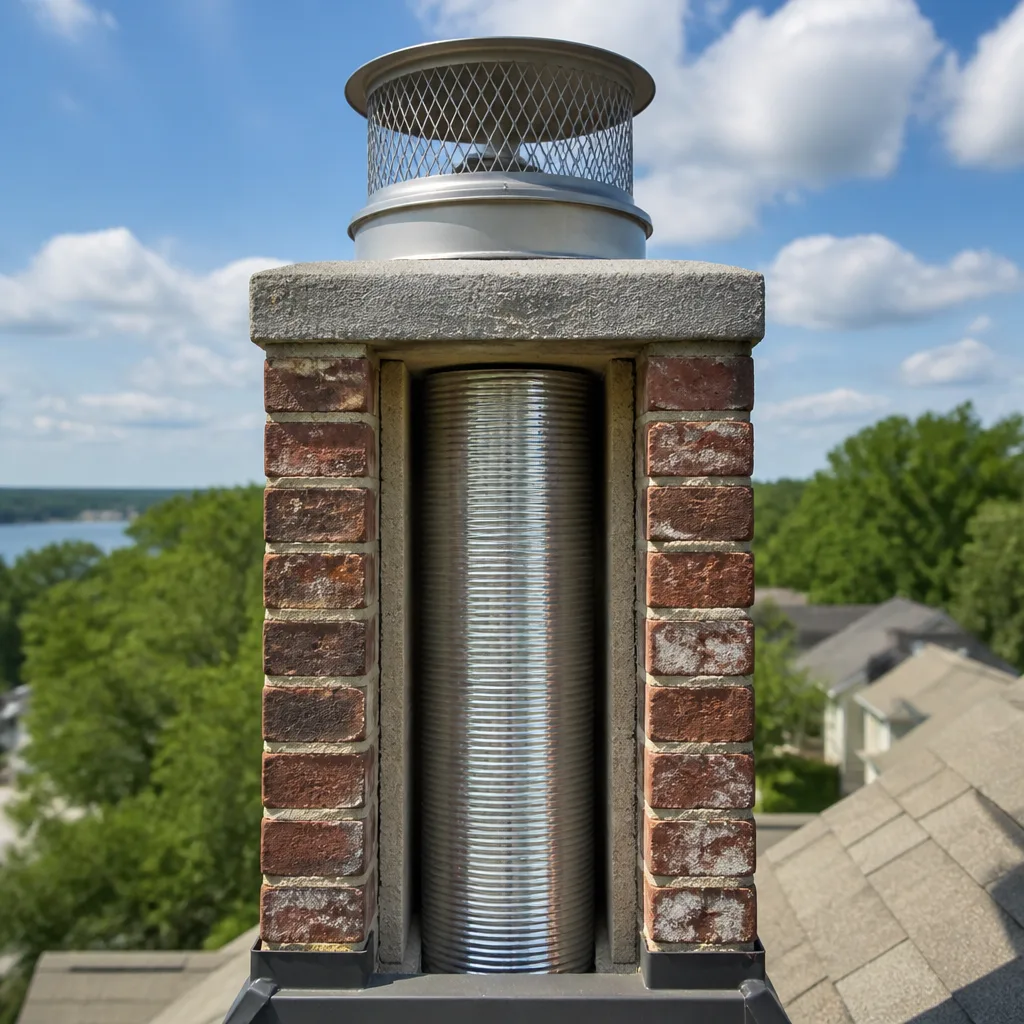 Flue relining
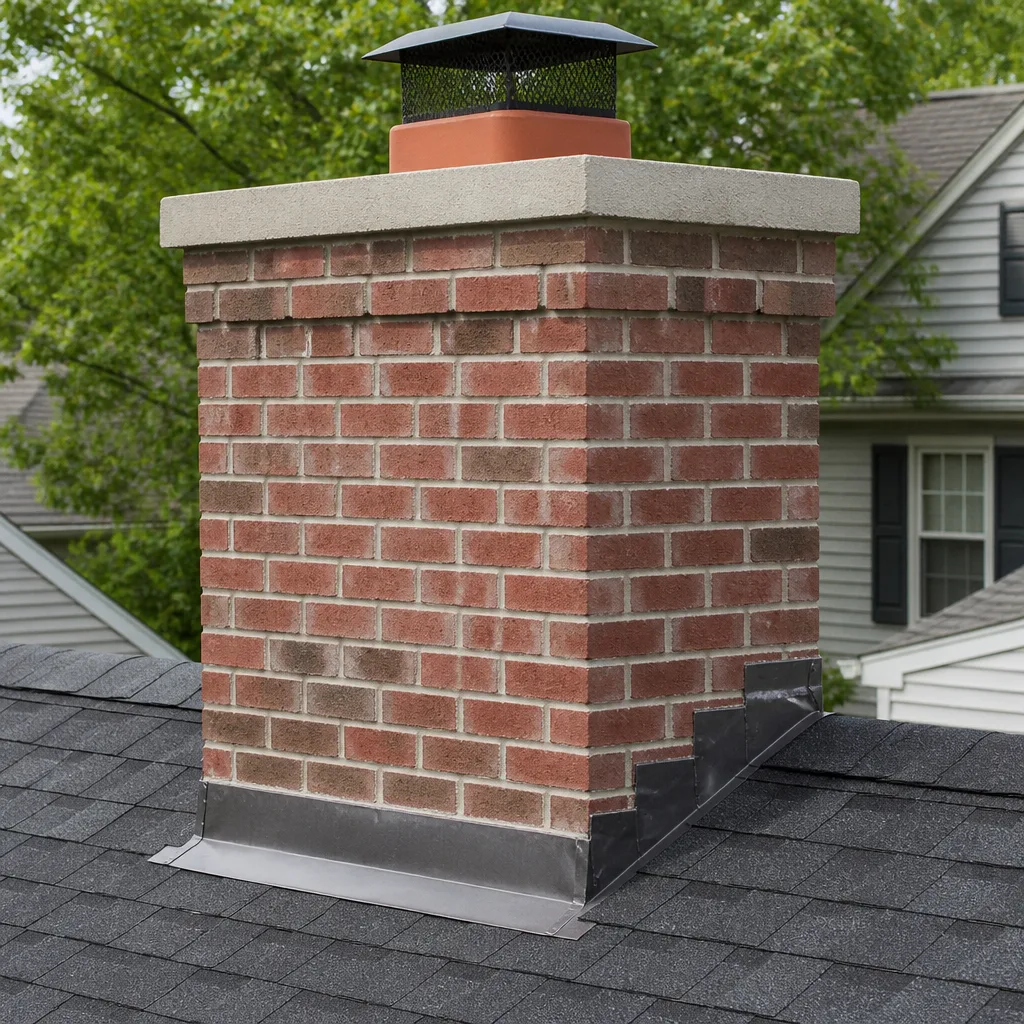 Masonry repair
 Gas fireplace service
Level 1 sweep and inspection to the NFPA 211 annual standard - flue, crown, cap, and flashing checked and photographed
Chimney sweep logs do not sweep chimneys. They loosen some creosote - which then falls where a brush and vacuum still have to collect it.
The Complete Guide to Chimney Cleaning in Mesa
Most chimney guides you’ll find online were written for New England. They talk about freeze-thaw damage, ice dams, and forty inches of rain a year. Mesa gets around eight. That’s a real gap, because creosote doesn’t form the same way in desert air, dust storms push material into flues that a wet climate never deals with, and our burning season is short but intense rather than spread across a long cold winter. If you’ve been following advice built for a climate nothing like ours, you may be scheduling your sweep at the wrong time and looking past problems that matter here.
This guide maps the actual cleaning process to Mesa conditions: how low humidity changes what deposits inside your flue, how haboob dust creates a different kind of blockage, why the November-to-February burn window compresses everything, and how to verify a cleaning was done right before the technician drives away.
Quick Answer
Chimney cleaning in Mesa means removing creosote, soot, and wind-driven dust from the flue, firebox, and smoke chamber, and it should happen roughly once a year for a regularly used wood-burning fireplace. In Mesa’s climate, the best window is just before the burning season starts in November, after summer dust storms have had their say. A proper cleaning includes a camera inspection so you can see the flue’s actual condition, not just a brush run down the pipe.
Styles & brands we work with
- Sweep & inspection
- Caps & crowns
- Flue relining
- Masonry repair
- Gas fireplace service
Table of Contents
- Why Desert Creosote Forms Differently
- Haboob Dust and Flue Blockage
- Mesa’s Compressed Burning Season
- What a Full Professional Cleaning Includes
- How to Verify the Job Was Done Right
- How Often Should You Clean in Mesa?
- What Does Chimney Cleaning Cost in Mesa?
- The Other Exhaust System: Dryer Vents
Why Desert Creosote Forms Differently
Creosote is the residue left behind when wood smoke cools before it leaves the chimney. In humid climates, moisture in the air and in the wood slows combustion and creates a wetter, stickier deposit that coats flue walls quickly. Mesa’s air is dry, and the wood here is usually well-seasoned by the time it gets stacked, so the first stage of creosote – the flaky, dusty kind – builds up more slowly than a Northeast guide would lead you to expect.
That’s the good news. Here’s the part that national guides miss. Dry air doesn’t stop creosote formation; it changes it. When a fire burns hot and fast in low humidity, deposits can flash off as loose soot that travels up the flue, and that soot settles in places a brush doesn’t always reach on its own: the smoke shelf at the base of the damper, the top of the smoke chamber, and the joints between flue tiles. Soot that gathers in those corners sits there dry and powdery until it doesn’t. A hot fire can lift loose soot and ignite it.
What we look for in Mesa chimneys, in order of how often it turns up:
- Dry, flaky stage-one creosote along the upper flue walls – the most common finding here, and the easiest to remove with a proper brush and vacuum.
- Glazed, tar-like stage-three creosote in chimneys that see a lot of cool, smoldering fires – harder to remove and a genuine fire hazard; HeatShield resurfacing or relining becomes part of the conversation.
- Compacted soot on the smoke shelf – a ledge just above the firebox that traps ash and is routinely skipped by a quick brush-and-go.
- Crumbling mortar joints between flue tiles – not creosote at all, but something a real inspection catches and a visual glance from the hearth never will.
The takeaway for Mesa homeowners: dry climate doesn’t mean you can stretch the interval between cleanings. It means the deposits look different and hide in different places, which is exactly why a brush-and-vacuum pass with no camera check leaves you guessing.
Haboob Dust and Flue Blockage
Anyone who has lived in Mesa through a summer knows the wall of dust that rolls in ahead of monsoon storms. That dust doesn’t just settle on patio furniture. Fine desert particulate gets pulled into chimney caps, settles down the flue, coats the smoke chamber, and piles up on top of the damper. It’s the single least-discussed cause of chimney problems in the Valley.
This is a different animal than the organic debris a wet climate deals with. Leaves and twigs break down and rot. Silica dust doesn’t. It stays dry, it stays fine, and it packs into corners and traps where it can restrict airflow and make the chimney draft poorly the first time you light a fire in the fall. A chimney that pulled fine last February may smoke into the room this November because a summer’s worth of dust has narrowed the flue’s effective opening.
Mesa’s dust season runs through the summer monsoon months, and the standard practice here is to sweep in October or early November, after the dust has settled and before the burning season starts. That timing does two things at once: it clears the summer’s dust intrusion, and it clears last season’s creosote before you add another winter’s worth on top.
What dust intrusion looks like
- A gray, powdery film inside the firebox and on the damper, even if you haven’t burned anything since spring.
- Smoke rolling back into the room on the first fire of the season, before any real creosote could have formed.
- Soot streaks above the firebox opening where a restricted flue pushed smoke out around the damper.
If any of that sounds familiar, the chimney doesn’t need to be relined – it needs to be cleaned. And you can’t tell the difference between a dust blockage and a structural problem without looking up the flue with a camera. That’s the whole argument for a proper inspection over a quick sweep.
Mesa’s Compressed Burning Season
Mesa doesn’t have a six-month heating season. It has a short, concentrated one. Most wood-burning happens from November through February, and many homeowners here burn a fire on maybe thirty or forty evenings in that window rather than running a stove every night from October to April. That compressed timeline changes the math on cleaning frequency in a way national guides never address.
Those thirty or forty fires can still produce enough creosote to matter, especially if the wood is damp or the fires are run cool and smoldering. The compressed season has a second effect: everything happens at once. When the first cold snap hits and every Mesa household lights a fire on the same weekend, chimneys that weren’t swept in the fall get tested all at once. If you want your sweep done before that weekend, book it in October, not the day you’re ready to build the first fire.
The seasonal rhythm we see looks roughly like this:
- March through May – burning winds down. It’s a sensible time to inspect and clean if you burned heavily, so creosote doesn’t sit through the heat all summer.
- June through September – dust season. The flue collects particulate from haboob events. No burning, but the chimney isn’t idle.
- October – the ideal sweep window. Clear the summer dust and last season’s residue, and you’re ready before the first cold snap.
- November through February – the burn season. Clean, inspect as needed, and watch for any change in draft or smoke behavior.
One more note about dry-season burning: a fireplace that pulls well all winter can suddenly misbehave in Mesa because the wood you’re burning has been sitting in a dry climate for months and may have gotten even drier than the wood you burned in January. Dry wood burns hot and fast. That’s good for creosote, but it means the fire is working hard against whatever dust or soot is left in the flue. The chimney needs to be clear before that fire burns.
What a Full Professional Cleaning Includes
“Brush and vacuum” is the phrase a cheap sweep uses to describe the job. In Mesa, a proper cleaning is a multi-step process, and each step exists for a reason you can see. Here’s how a full professional chimney cleaning actually runs, step by step.
- Setup and protection. Drop cloths over the hearth and floor, a HEPA vacuum running throughout, and a sealed connection at the firebox. Nothing in your living room should be dusted with soot before the job starts.
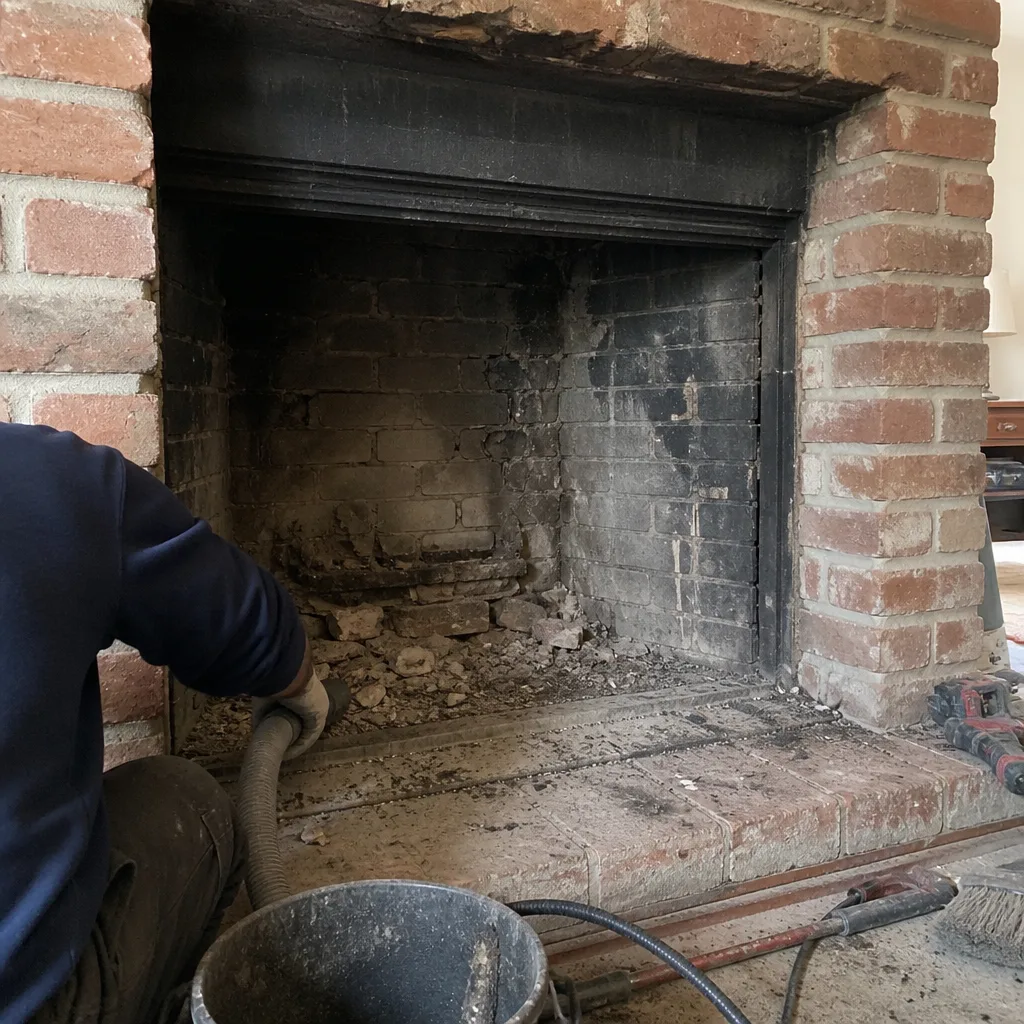
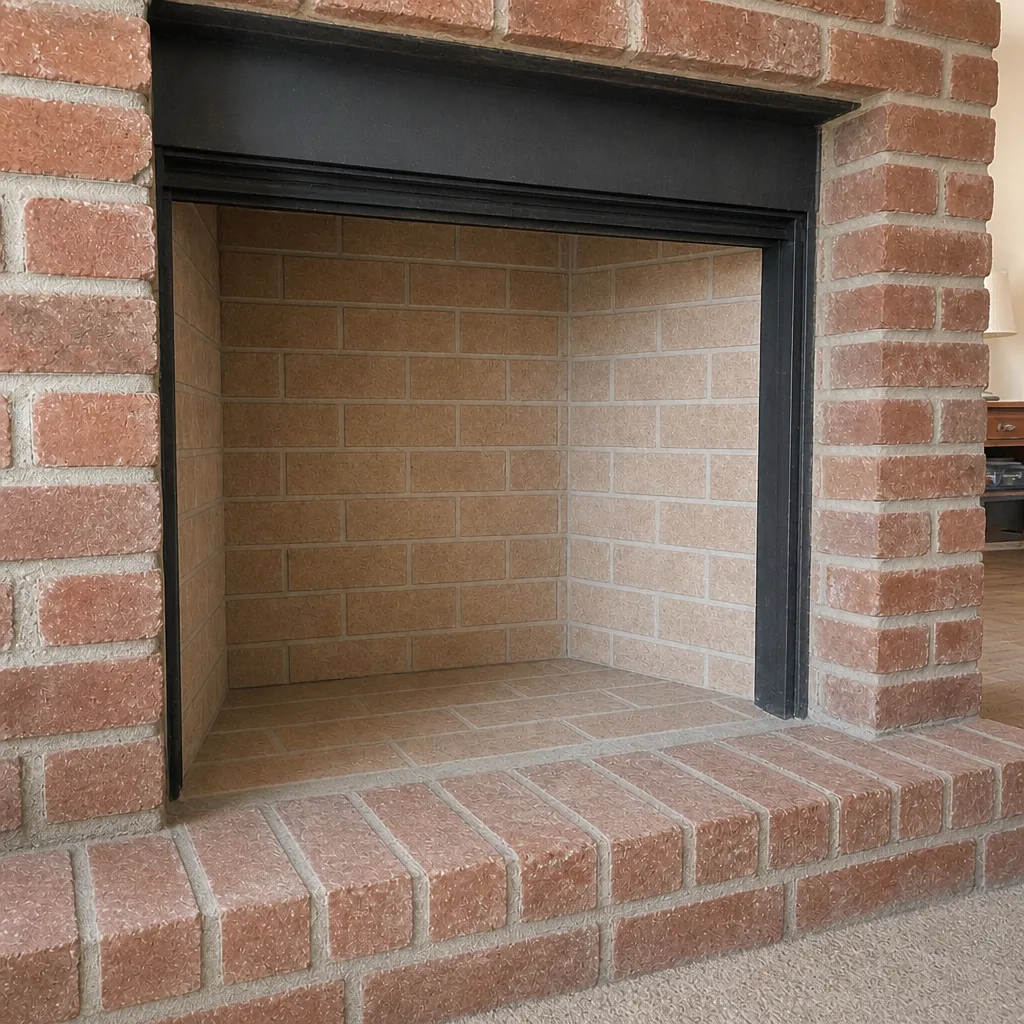
- Before-and-after camera inspection. A camera goes down the flue from the top or up from the firebox. You see what’s actually in there – creosote stage, tile condition, gaping mortar joints, dust buildup – before anyone touches a brush. This is the step that separates an inspection from a sweep.
- The sweep itself. A proper brush sized to the flue, worked from the top down, with the vacuum running the whole time. Brushes are matched to the liner; a brush that’s too small skips creosote on the walls, one that’s too large can damage a tile or a stainless liner.
- Smoke shelf and smoke chamber. The areas above the damper get swept by hand. This is where dry soot and dust settle, and it’s where a quick job is most likely to cut corners.
- Firebox and damper. Ash and debris removed, damper checked for smooth operation, gaskets and seals inspected.
- Chimney cap and crown. A cap that’s cracked, bent, or missing lets dust and debris straight into the flue. We check that it’s doing its job. The crown – the concrete top of the chimney – gets checked for cracks that let water in.
- Photo report and written findings. You get the camera images and a plain-language summary of what we found. If we recommend repairs, you’re looking at the same evidence we are.
That last point matters more than it might sound. The reason a chimney report can feel like a sales pitch is that you’re often being told about a problem you can’t see. A photo report takes that away. You look at the image of the cracked liner or the glazed creosote just as we do, and you decide what to do about it. Nothing gets recommended that the camera didn’t show.
A few things to look for if you’re comparing services. When we work with brands like Gelco or Olympia Chimney, it’s because the materials are what chimney professionals specify for the repair work that comes after a sweep finds a problem. For damaged liners, HeatShield resurfacing can restore the flue in place without a full teardown, an option most single-service sweeps simply can’t offer. And for full relining on a compromised chimney, DuraFlex flexible liner systems handle the structural repair rather than the cosmetic fix. You can read more about the actual cleaning service on our chimney sweep page.
How to Verify the Job Was Done Right
You don’t need a chimney background to know whether a cleaning was done properly. You need to know what to look for and to actually look. Most of the verification happens before the technician packs up, which is exactly when you should speak up.
Ask for the camera images. A professional cleaning ends with photographic evidence of the flue before and after. If you’re handed a verbal “looks good,” ask to see the screen. The images should show a clean flue wall, intact tile joints or liner, and no visible gaps or cracks that weren’t mentioned in the report.
Then check these on your own, with the technician still present:
- No soot on the hearth or floor. A HEPA vacuum run throughout the job means nothing leaves the containment area.
- A working damper. Open and close it while the tech is there. It should move smoothly and seat fully.
- A clear firebox. Ash, dust, and debris from the sweep should be gone, not swept into a corner.
- The cap still in place and seated. Small parts go missing during a roof-top sweep; make sure yours came back down as intact as it went up.
- Written findings. You should leave the visit with a written summary of what was found, what was cleaned, and whether anything needs attention. “You’ll be contacted later” isn’t a report.
The genuine hesitation for most homeowners is being told they need thousands of dollars of liner or masonry work they have no way to verify. The answer isn’t to distrust the report – it’s to demand the evidence. We won’t recommend anything the camera didn’t show you, and we’ll tell you plainly when work can safely wait until next season. That’s the standard to hold any sweep to. You can’t verify a problem you can’t see, so see it first.
How Often Should You Clean in Mesa?
Once a year is the working answer for most Mesa homes with a wood-burning fireplace in regular use. That covers the creosote from the compressed burn season plus the summer dust intrusion in a single annual visit. If you burn very lightly – a handful of evenings a year – you might go longer between full cleanings, but an annual inspection is still the safe habit, because dust intrusion alone can justify a sweep even when creosote is minimal.
Clean more often if any of these describe your setup:
- You burn more than a cord of wood a year, or you burn most winter evenings.
- Your fires are often slow and smoldering rather than hot – that’s the recipe for glazed creosote.
- Your wood isn’t fully seasoned. Damp wood is the fastest route to a heavy creosote load.
- Your home sits near open desert where summer dust is heaviest.
- You’re noticing draft problems, smoke back-puffing, or a smell of soot in the house.
If you’re not sure where you fall, clean once, look at the camera report, and let the evidence set the interval. A chimney that comes back clean after a year of real burning tells you something a calendar can’t. If you decide to schedule a visit, visit our Mesa page to see how we work in the area.
Safety caveat, because this is a chimney: don’t try to inspect or clean the upper flue on your own. Chimney work means heights, ladders, and a flue you can’t see into. Creosote fires and carbon monoxide exposure are the real risks, and neither is something a homeowner with a flashlight can rule out. A trained professional with a camera and the right brush is the way to know.
What Does Chimney Cleaning Cost in Mesa?
Chimney sweep pricing in Mesa usually runs in a range that reflects the desert-specific work – dust removal, a full smoke chamber sweep, and a camera report – not just a brush pass. The final price for your home is set per job by the written estimate, which is free, because what’s in a flue varies from home to home and a phone number can’t predict it. Here’s how the cost typically breaks down:
- Standard annual sweep with inspection: a flat price for a single flue, agreed before the visit. This includes the camera inspection and photo report at no extra charge.
- Second flue, or a fireplace plus a wood stove: each additional flue is priced separately, since each is a separate cleaning.
- Heavy glazed creosote: a chimney with stage-three deposits takes more time and attention, and may require a resurfacing conversation rather than just a sweep.
- Flue resurfacing or relining: only recommended when the camera shows a damaged or deteriorated liner, and priced from that evidence.
- Dryer vent cleaning: quoted separately as its own service or added to a chimney visit.
We don’t quote a number here for exact work in your home because we haven’t seen it. That’s the honest position: any chimney company that quotes a firm price before looking at the flue is guessing. What we do promise is that the price you’re given is flat and agreed before we start, the estimate is free, and nothing beyond a cleaning gets recommended unless the camera evidence supports it. Call (866) 796-7711 for an exact quote – estimates are free.
The Other Exhaust System: Dryer Vents
If there’s a second exhaust system in a Mesa home that gets less attention than the chimney, it’s the dryer vent. Both systems carry combustion products and moisture out of the house, both accumulate material over time, and both are a real fire concern when they’re neglected. Most chimney companies only address one of them. We handle both, which is the reason to ask about dryer vent cleaning while a technician is already in your home.
Dryer vents in a desert climate have a specific problem: the lint that builds up inside them is bone-dry almost all year. It’s highly flammable, and it packs into the bends and behind the dryer where it’s hardest to see. Mesa’s dry air doesn’t make that lint any safer. A dryer vent that’s restricted also makes your dryer work harder and longer, which is a hidden cost that shows up on the energy bill long before it shows up as a problem.
Here’s what you’re getting when you add a dryer vent cleaning to a chimney visit:
- Full-length vent line cleaning from the dryer connection to the exterior termination, not just the first few feet.
- The exterior vent cap checked for the flap operation and any debris buildup – a stuck flap is a common restriction point.
- A photo of the interior before and after, so you can see what came out.
- A plain recommendation on whether the vent line is routed sensibly or if a reroute would cut down on lint traps.
The larger point is that a complete ventilation safety assessment covers both exhaust systems. A narrow inspection that ends at the fireplace leaves the dryer vent unexamined, and it’s one of the most common causes of residential fires. One visit, both systems, one honest report. You can learn more about our full scope on the main Mesa Chimney Sweep page.
Common Mistakes to Avoid
- Using a Northeast schedule in a desert climate. The timing that works in a wet, six-month-winter climate doesn’t match Mesa’s short, intense burn season and summer dust cycles. Sweep in the fall, not the spring.
- Judging the chimney by what you can see from the hearth. Creosote, dust, and cracks are up the flue and out of sight from the firebox. Without a camera, you’re guessing at the condition of your chimney.
- Skipping the smoke chamber. A quick brush down the flue misses the shelf and chamber above the damper, which is where a lot of dry soot and dust actually collects in Mesa chimneys.
- Burning damp wood to save money. Wet wood is the fastest way to build glazed creosote. In a dry climate there’s no excuse for burning poorly seasoned wood – it just puts more load on the flue.
- Ignoring the haboob dust. Mesa homeowners who don’t burn at all can still need a sweep because summer dust narrows the flue. A chimney that hasn’t seen fire in a year isn’t automatically clean.
- Letting a cheap sweep skip the camera report. “Brush and vacuum” is not an inspection. If you don’t leave with photos of your flue, you don’t know what was done.
- Forgetting the dryer vent. The chimney gets the attention and the dryer vent gets none, even though both are exhaust systems with the same fire concern.
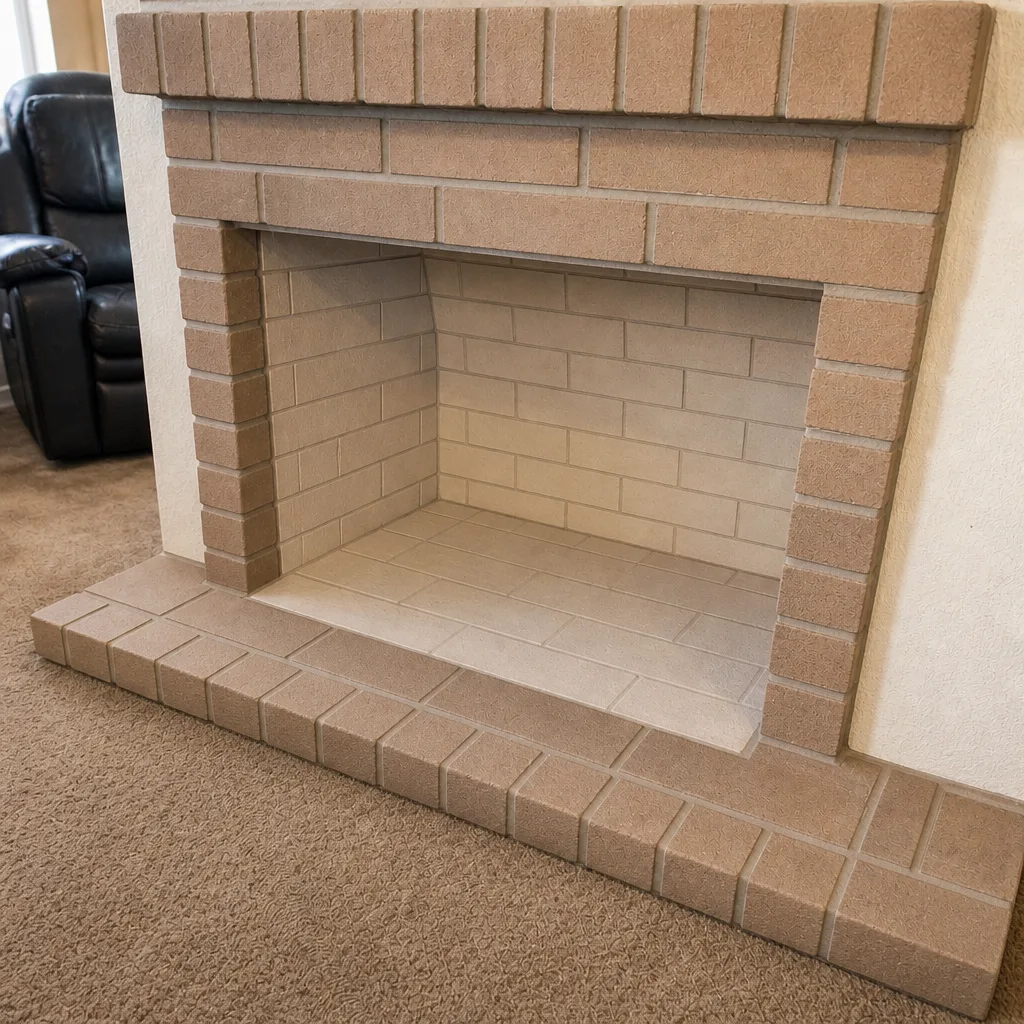
See the difference
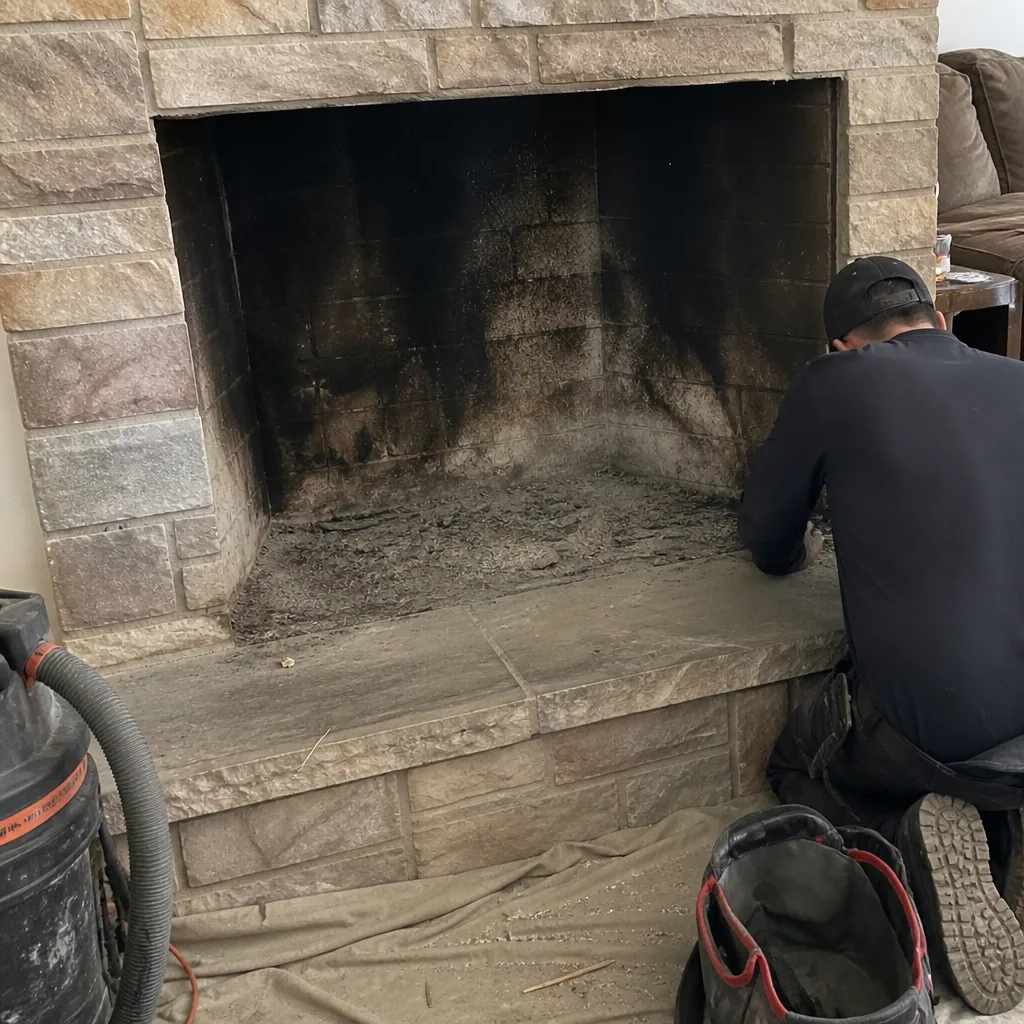 Before
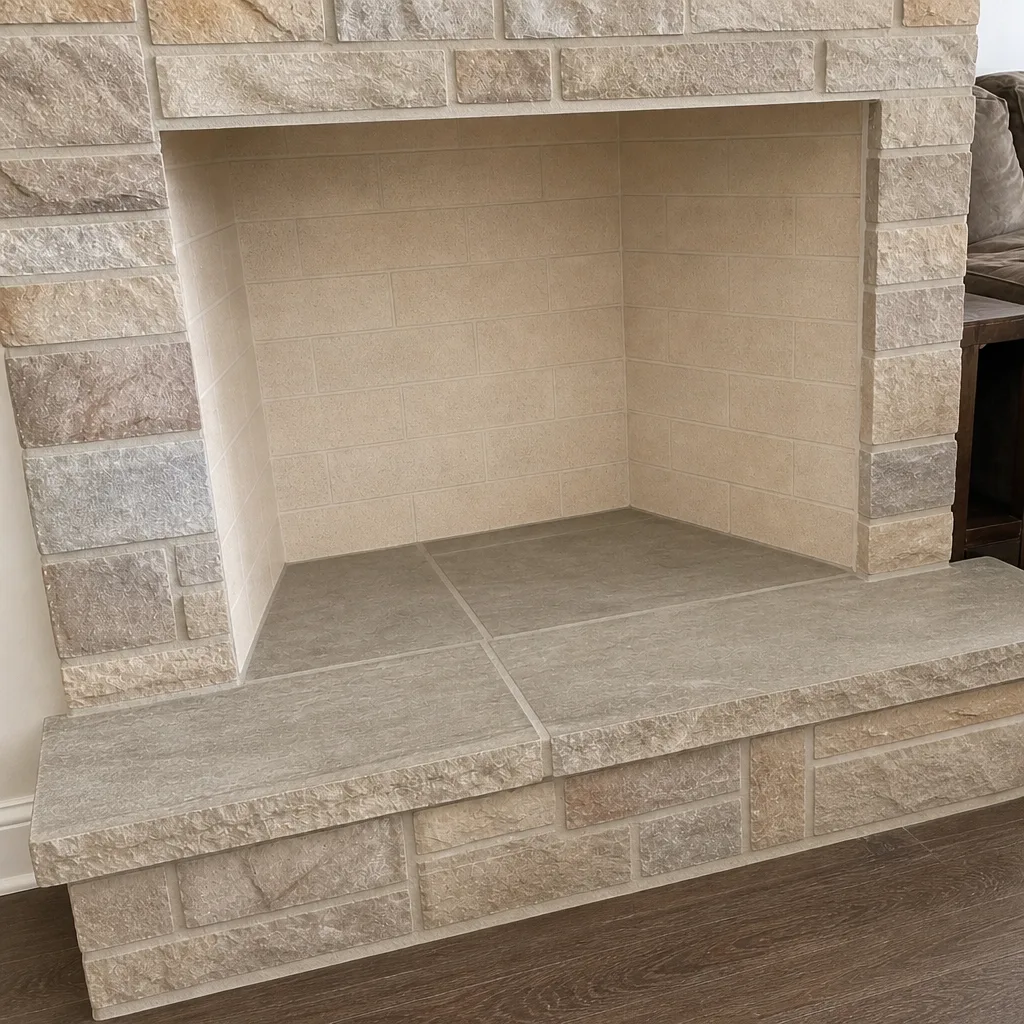 After
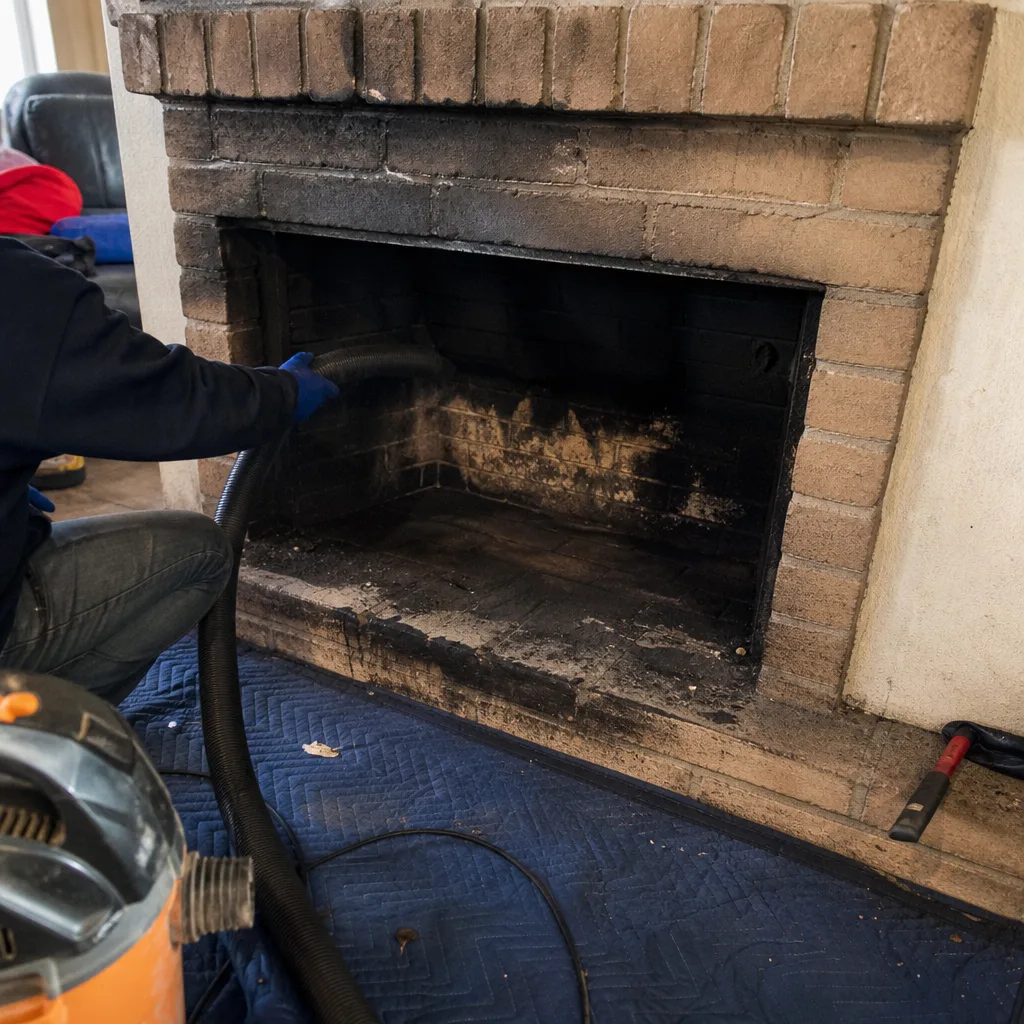 Before
 After
 Before
 After
When to Call a Professional
Call a professional if it’s been a year since the last sweep, if smoke rolls back into the room on the first fire of the season, if you smell soot in the house when the fireplace isn’t lit, or if you see dark streaks above the firebox. Call if you’ve moved into a home in Mesa and don’t know when the chimney was last cleaned – that’s always a clean-and-inspect situation. And call before you light the first fire if a summer dust storm left a visible film in the firebox. These are all reasons for a professional visit, not a DIY attempt. Heights, a flue you can’t see into, and creosote that can ignite are not homeowner jobs. Mesa Chimney Sweep offers free estimates in Mesa – call (866) 796-7711.
Frequently Asked Questions
A standard sweep with a camera inspection is priced as a flat rate per flue, agreed in writing before the visit, and the estimate itself is free. The exact number depends on how many flues you have, how much creosote and dust we find, and whether any repair work is needed. Call (866) 796-7711 for an exact quote – estimates are free.
Once a year for a fireplace in regular use. In Mesa, that annual visit handles both the creosote from the November-to-February burn season and the summer dust intrusion from haboob wind. If you burn lightly, an annual inspection still makes sense because dust alone can justify a cleaning. Call (866) 796-7711 to get on the schedule before the season starts.
Only if the camera shows a genuine problem – cracking, gaps at the joints, or a deteriorated liner that can’t hold its shape. Not every sweep finds one, and when we do, we show you the evidence on screen. HeatShield resurfacing can restore many damaged flues without a full relining, and if we think a liner is fine, we’ll tell you to leave it alone. Call (866) 796-7711 for an inspection you can see the results of.
Creosote and dust build up, airflow drops, and the risk of a chimney fire or poor draft goes up. In Mesa, the added factor is summer dust intrusion. A chimney that fires fine in February can smoke into the room in November without any new creosote, simply because dust has narrowed the flue. Skipping a season doesn’t save the work – it delays it and adds risk. Call (866) 796-7711 and let’s get eyes on it.
We don’t recommend it. The visible firebox tells you almost nothing about what’s happening up the flue, and reaching the upper flue means ladders and heights. Creosote can ignite, and carbon monoxide can be an issue with a poorly drafting system. A professional cleaning includes the camera inspection that lets you actually know the condition of the chimney. Call (866) 796-7711 to schedule a proper inspection.
No. Dry air changes how creosote forms and how fast, but it doesn’t prevent deposits, and it can make them more powdery and more mobile. What makes Mesa different is the summer dust plus the short, intense burn season, and both argue for an annual sweep timed to the fall. Call (866) 796-7711 to book a visit that fits the local climate.
The Bottom Line
Chimney cleaning in Mesa is not the same job as chimney cleaning in a wet climate. The deposits form differently, the dust season matters as much as the burn season, and the right time to sweep is October, just ahead of the November-to-February window. The job itself is more than a brush and a vacuum: camera inspection, smoke chamber, damper, cap, and a photo report you can verify before the technician leaves. Get the timing right, demand the evidence, and address the dryer vent while you’re at it. If you’d like a free estimate, call Mesa Chimney Sweep at (866) 796-7711 – we answer 24/7, with fast dispatch from 7am to 7pm, Sunday through Friday.
Written by the team at Mesa Chimney Sweep.