
Last updated November 15, 2026
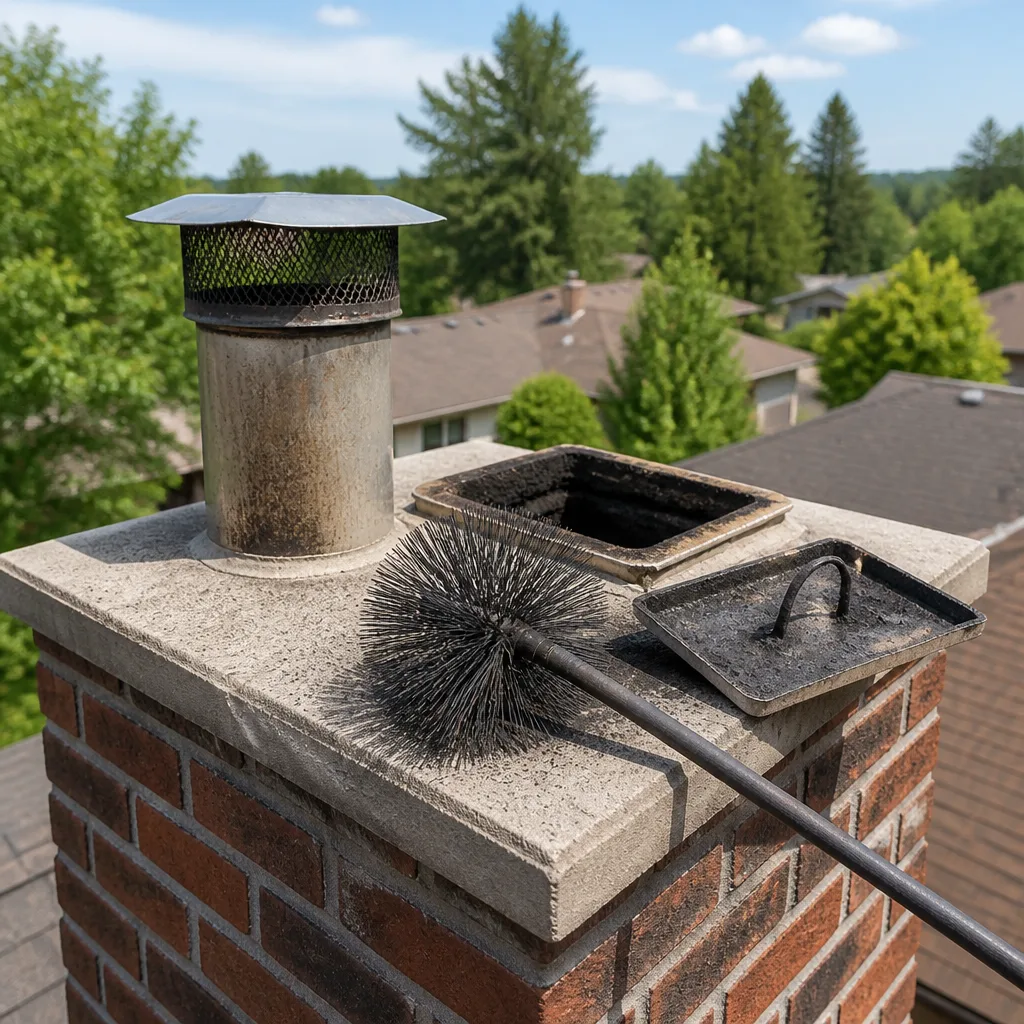 Sweep & inspection
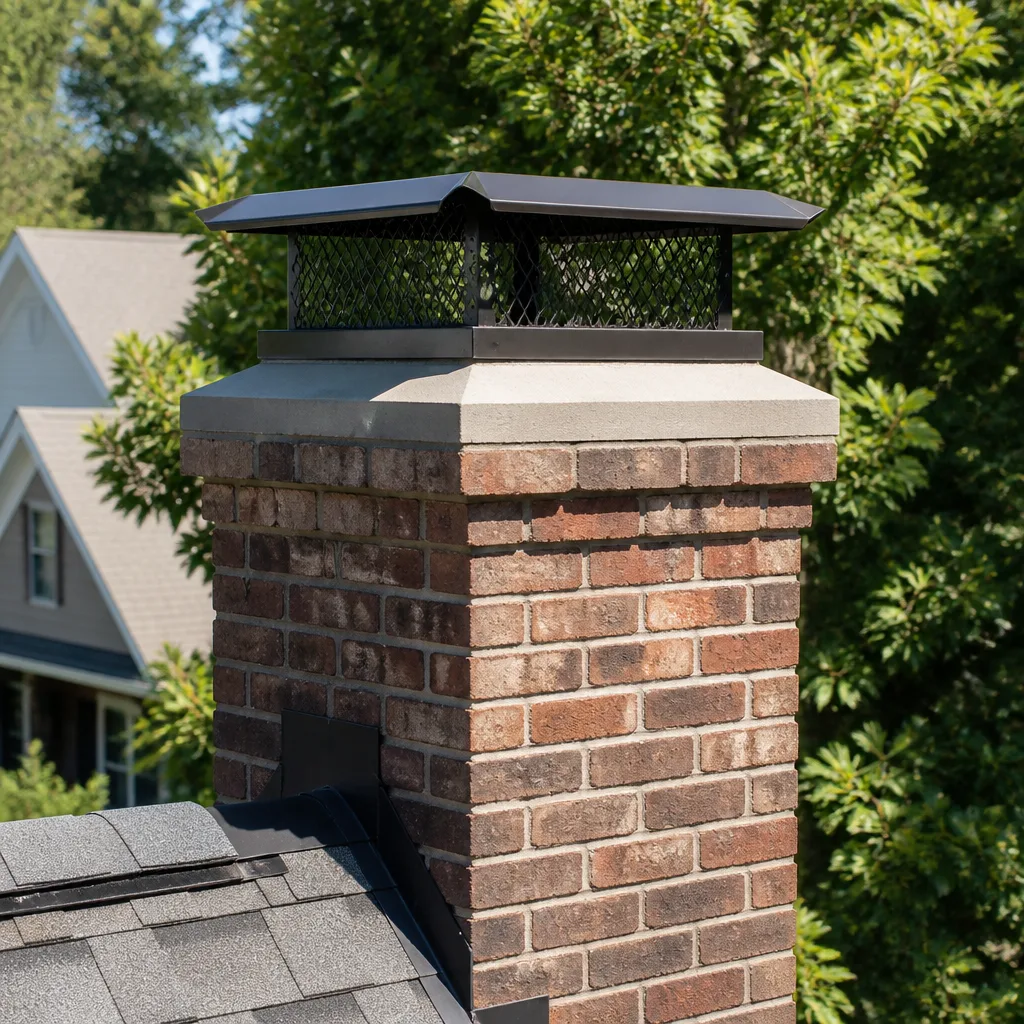 Caps & crowns
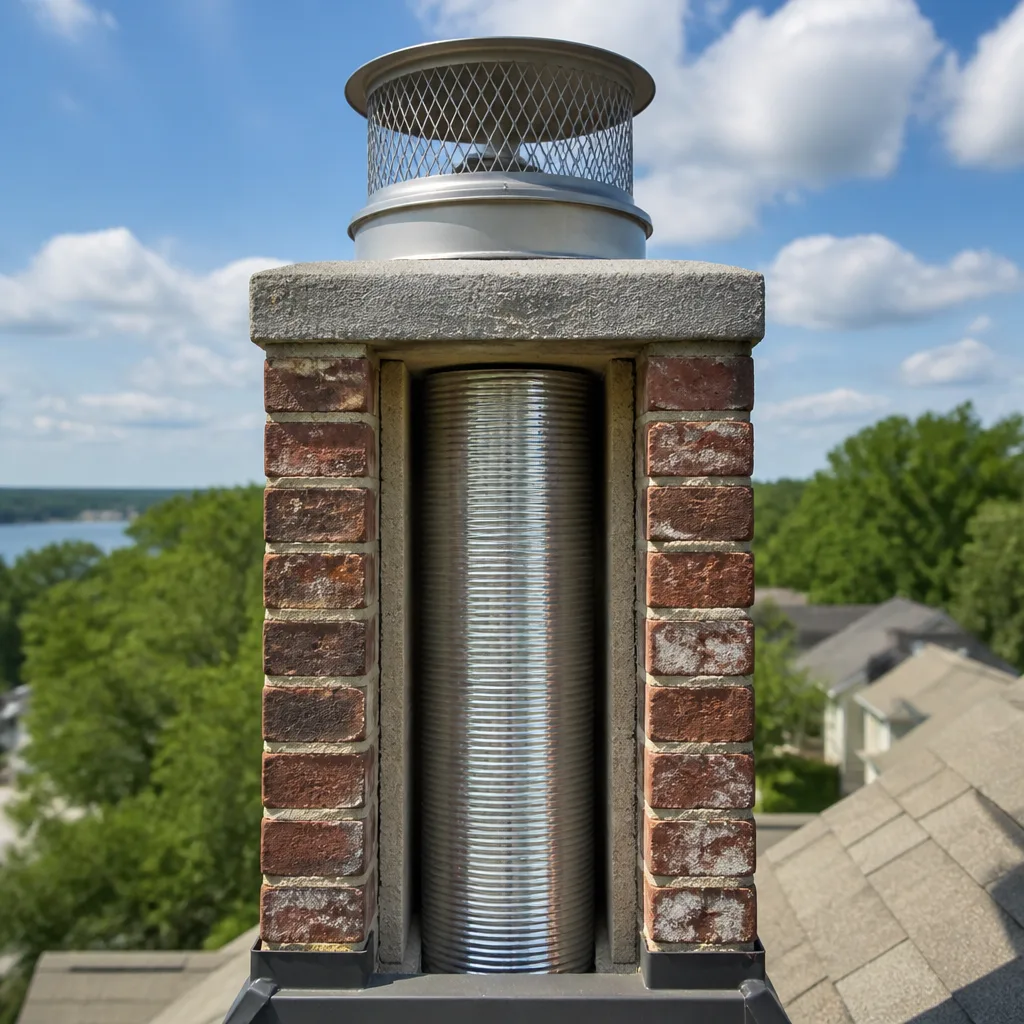 Flue relining
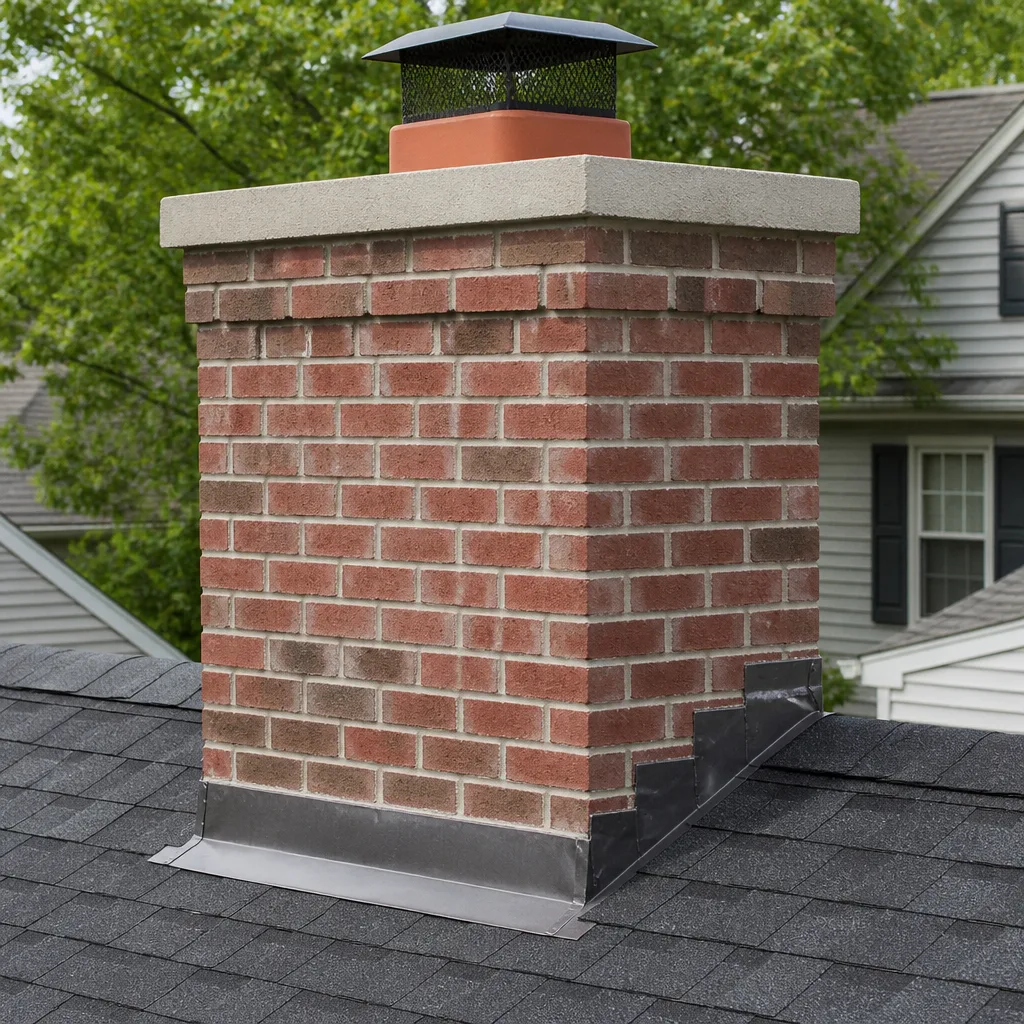 Masonry repair
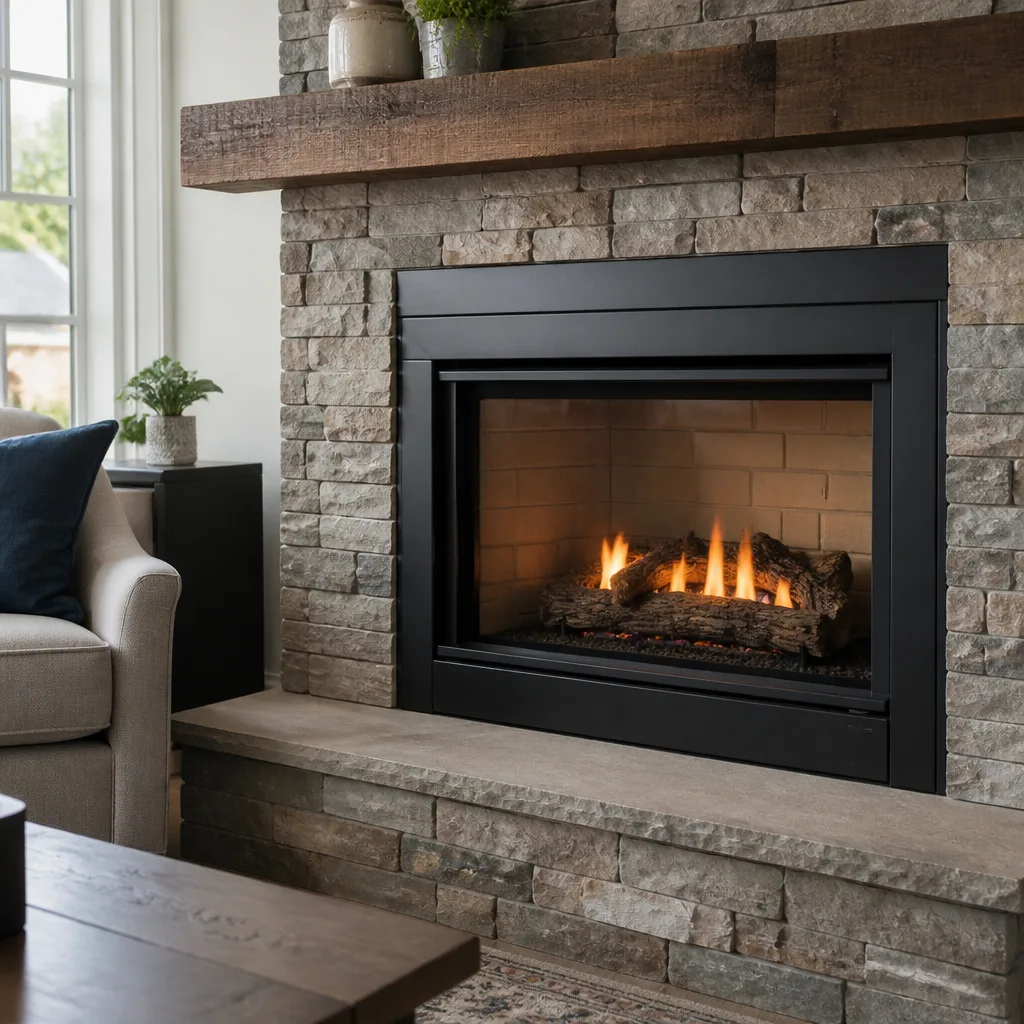 Gas fireplace service
Level 1 sweep and inspection to the NFPA 211 annual standard - flue, crown, cap, and flashing checked and photographed
Chimney sweep logs do not sweep chimneys. They loosen some creosote - which then falls where a brush and vacuum still have to collect it.
How to Hire a Chimney Cleaning Contractor in Mesa: A Step-by-Step Guide
Arizona doesn’t license chimney sweeps. There’s no state board checking credentials, no exam to pass, no license number to look up. That means the person who shows up at your door could have started a chimney business last Tuesday, or could carry years of CSIA-certified experience and a full repair shop behind them. You can’t tell from the truck, and you can’t tell from the website. In a city like Mesa, where wood-burning fireplaces get real use through the cooler months and plenty of homes have chimneys that sat untouched for years before the last owner moved out, that gap matters. This guide gives you a concrete, fast way to vet a chimney contractor before you book, ask the right questions, read a quote correctly, and know when a low price is a warning rather than a deal.
Quick Answer
Hiring a chimney cleaning contractor in Mesa means verifying the technician’s CSIA certification directly through the Chimney Safety Institute of America, asking whether the company performs repairs and relining or only cleans, and insisting on before-and-after photo documentation of the flue. Because Arizona doesn’t license sweeps, those three checks do more to protect you than any license lookup would. A fair written estimate, an itemized scope of work, and a company that can fix what it finds are the marks of a contractor worth booking.
Styles & brands we work with
- Sweep & inspection
- Caps & crowns
- Flue relining
- Masonry repair
- Gas fireplace service
Table of Contents
- Why Arizona’s Lack of Licensing Changes How You Hire
- What CSIA Certification Actually Means and How to Verify It
- The Questions to Ask Before You Book
- Sweep-Only vs. Repair-Capable: Why the Difference Matters
- Red Flags in Quotes and Prices
- Why Before-and-After Documentation Should Be Standard
- How to Compare Quotes When Scopes Aren’t Itemized the Same Way
- When to Schedule Chimney Service in Mesa
Why Arizona’s Lack of Licensing Changes How You Hire
Most trades in Arizona require a contractor license through the Arizona Registrar of Contractors. Chimney sweeping, as a standalone trade, isn’t among the licensed classifications, which means there’s no state-issued credential to check and no disciplinary record to pull. That doesn’t leave you defenseless, but it does mean the screening work shifts to you. The homeowner who assumes “licensed and insured” covers chimney work is making an assumption that doesn’t hold here.
What this means in practice is that a Mesa homeowner needs to ask directly about insurance and certification rather than assume either one. A genuine chimney company carries liability insurance and can tell you about it without hesitation. A technician working off the back of a personal pickup may not carry any. When there’s no license to review, insurance becomes the more important layer, because an accidental fire or a dropped liner is a real cost, and uninsured work leaves that cost with you.
The upside of the missing license requirement is that certification from a national body like the CSIA stands out clearly. When a chimney professional in Mesa has earned that certification, it signals they went through training and testing the state never required. That’s the signal worth chasing. In our experience, the companies that invest in certification are also the ones that invest in proper equipment, repair capability, and documentation, because they’ve made a professional commitment rather than a quick one.
If you’re comparing chimney work to something like dryer vent cleaning, the licensing story is similar. Neither trade has the state oversight you’d find with electrical or plumbing work, so the diligence falls on you in both cases.
What CSIA Certification Actually Means and How to Verify It
CSIA certification, issued by the Chimney Safety Institute of America, means a technician has passed a written exam covering chimney science, codes, and safety, and has committed to continuing education to keep the credential current. It is a voluntary national credential, not a state license, and it’s the closest thing the chimney trade has to a recognized standard. A CSIA-certified sweep has demonstrated baseline knowledge of how chimneys vent, how creosote forms, and what a safe flue looks like.
Verifying it takes under two minutes and doesn’t require trusting the contractor’s word. Here’s how:
- Ask the company for the full name of the certified technician who will do the work, not just whether the company is “certified.”
- Go to the CSIA website and use its searchable directory of certified professionals.
- Search by the technician’s name and confirm the certification is active, not expired.
- Ask whether other technicians on the crew are certified or trained under a certified lead.
If a company can’t give you a technician’s name or hedges about certification, treat that as a real signal. Plenty of capable chimney techs are not certified, but a company that claims certification and can’t produce a name is a different matter. The verification step protects you from the specific scenario where a “certified” claim turns out to be vague or borrowed from a subcontractor who won’t be on site.
CSIA certification also means the technician works to a recognized industry standard for inspection levels, which matters when a company is trying to sell you repairs. A certified technician inspects to a defined standard and can tell you plainly what they found. That’s the difference between a professional assessment and a sales pitch.
The Questions to Ask Before You Book
The questions you ask before booking separate the contractors worth hiring from the ones that will hand you a vague price and a vague inspection. Ask them before anyone comes out, ideally on the phone, and listen for clear, specific answers rather than polished ones. Here are the questions that do the most work:
- Is the technician who will be at my home CSIA-certified, and what’s their name? A company that names a person is telling you they know who’s coming.
- Do you clean, or do you also repair and reline? This is the single most important question for a Mesa homeowner with an older chimney. A sweep-only operation flags problems and leaves them for someone else.
- What does the inspection cover, and will I get photos? Before-and-after photos of the flue should be standard, not a paid upgrade.
- Is the price flat and agreed before the visit, or does it change once you’re here? A written, flat-price scope protects you from the “we found more once we got in” conversation.
- Are you insured? Ask directly and expect a straight answer. When there’s no state license to check, insurance is your safety net.
- What materials and brands do you use for repairs? A company that specifies professional-grade systems can explain why they chose them.
If you’re planning to have both your chimney and your dryer vent looked at in one visit, ask whether the company offers that. At Mesa Chimney Sweep, we handle chimney sweeping, chimney repair including relining and HeatShield flue resurfacing, and dryer vent cleaning, so a single visit covers both exhaust systems. A company that only cleans will send you elsewhere for anything it finds, and that back-and-forth is where small problems get left to grow.
Sweep-Only vs. Repair-Capable: Why the Difference Matters
A sweep-only operation cleans your chimney and hands you a report of what’s wrong. A repair-capable company does that and then fixes the problem with the same crew, using materials it stocks and specifies. For a homeowner with a newer, sound chimney, the difference may not matter much. For a Mesa homeowner with an older home or a fireplace that hasn’t been serviced in years, it matters a lot, because the odds of finding a cracked liner, a deteriorated flue, or a damaged crown are higher the longer a chimney has gone without attention.
What separation looks like in practice:
- Sweep-only: cleans the flue, notes defects, and refers you to a separate repair contractor. You then start the hiring process over, often paying for a second inspection.
- Repair-capable: cleans, diagnoses, and resolves the problem on the same visit where it can. The technician who found the defect explains the fix and often does it.
The repair capability itself is where most low-cost sweeps can’t compete. HeatShield resurfacing, for example, restores a damaged flue liner in place using a specialized process, an alternative to a full relining job that most single-service sweeps can’t perform. DuraFlex flexible liner systems allow full relining of a compromised chimney, which is structural repair rather than cosmetic cleaning. A company that uses these systems has invested in the equipment and training to fix what it flags, and that’s a meaningful difference when you’re trying to avoid repeat visits and repeat fees.
This is why we ask Mesa homeowners to think of the visit as a ventilation safety check, not just a sweep. Your chimney and your dryer vent are both exhaust systems, and both deserve more than a brush and a wave goodbye.
Red Flags in Quotes and Prices
The most common red flags in chimney quotes are not wild numbers, they’re oddly low ones paired with high-pressure language. A price that comes in far below the typical range for a standard sweep is often a hook, with the real cost arriving once you’re already committed and the technician is on your roof pointing at something alarming. Learning to read the red flags saves you from that trap.
Watch for these:
- “Free inspection” that becomes a sales visit. Free inspections are a real service, but if the visit ends with a pressure to authorize thousands in repairs on the spot, the inspection was the pitch. A trustworthy company shows you evidence and lets you decide.
- A price far below what a proper sweep should cost. An unusually low number often means a brief brush-and-go that doesn’t reach the whole flue, or it means the sweep fee is bait for an upsell.
- Repairs recommended without photos or a clear explanation. You should be able to see the defect yourself. Nothing should be recommended without camera evidence you can look at.
- A quote that doesn’t itemize what’s included. “Chimney cleaning: $X” tells you nothing about whether the flue gets fully cleaned, whether a camera inspection is included, or whether you get documentation.
- Pressure to fix immediately. Some problems genuinely can’t wait. Others can safely wait a season. A company confident in its assessment can tell you which is which without fear.
- Vague or dodged answers about certification and insurance. These are the two things a real professional is happy to be asked about.
The genuine defense is a flat-price, written estimate and a company willing to say plainly when work can wait. That’s the opposite of the scare-based sale, and it’s the mark of a contractor you can trust with the chimney on your roof.
Why Before-and-After Documentation Should Be Standard
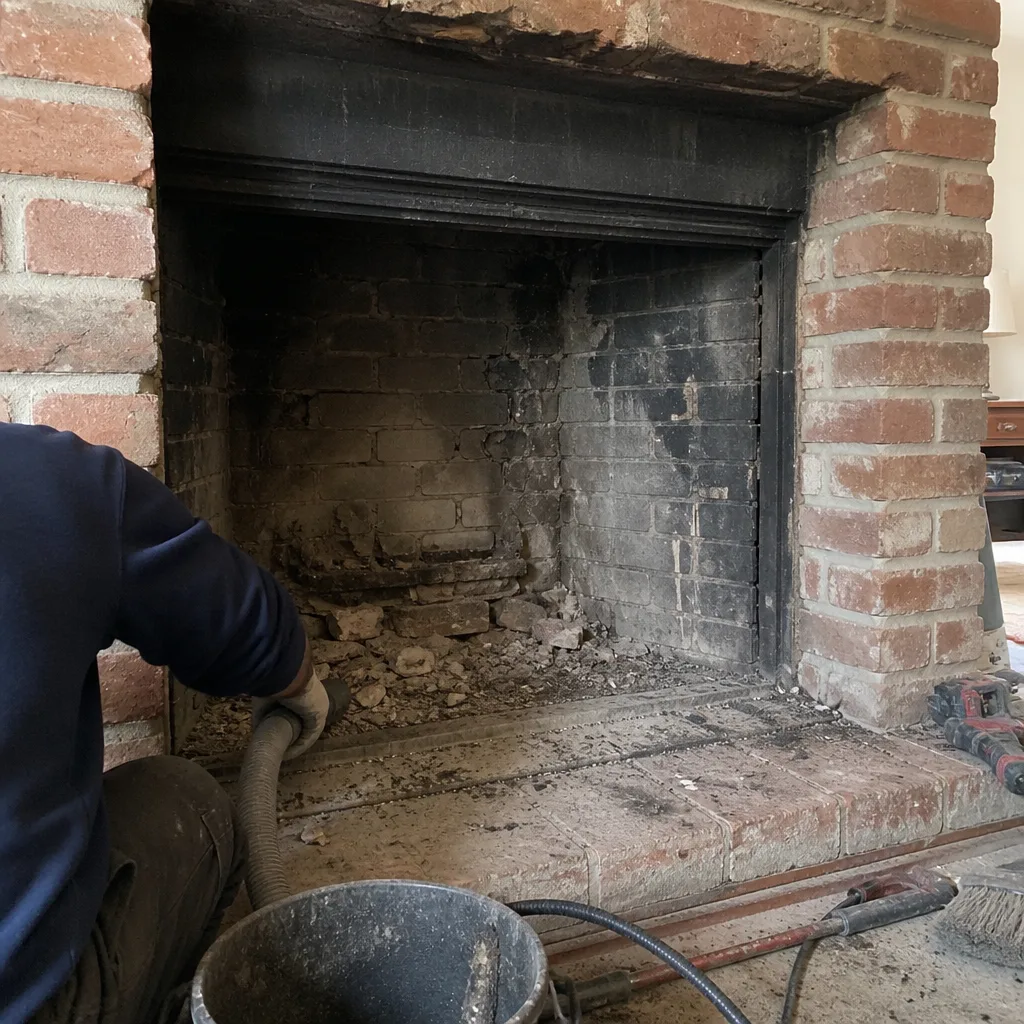
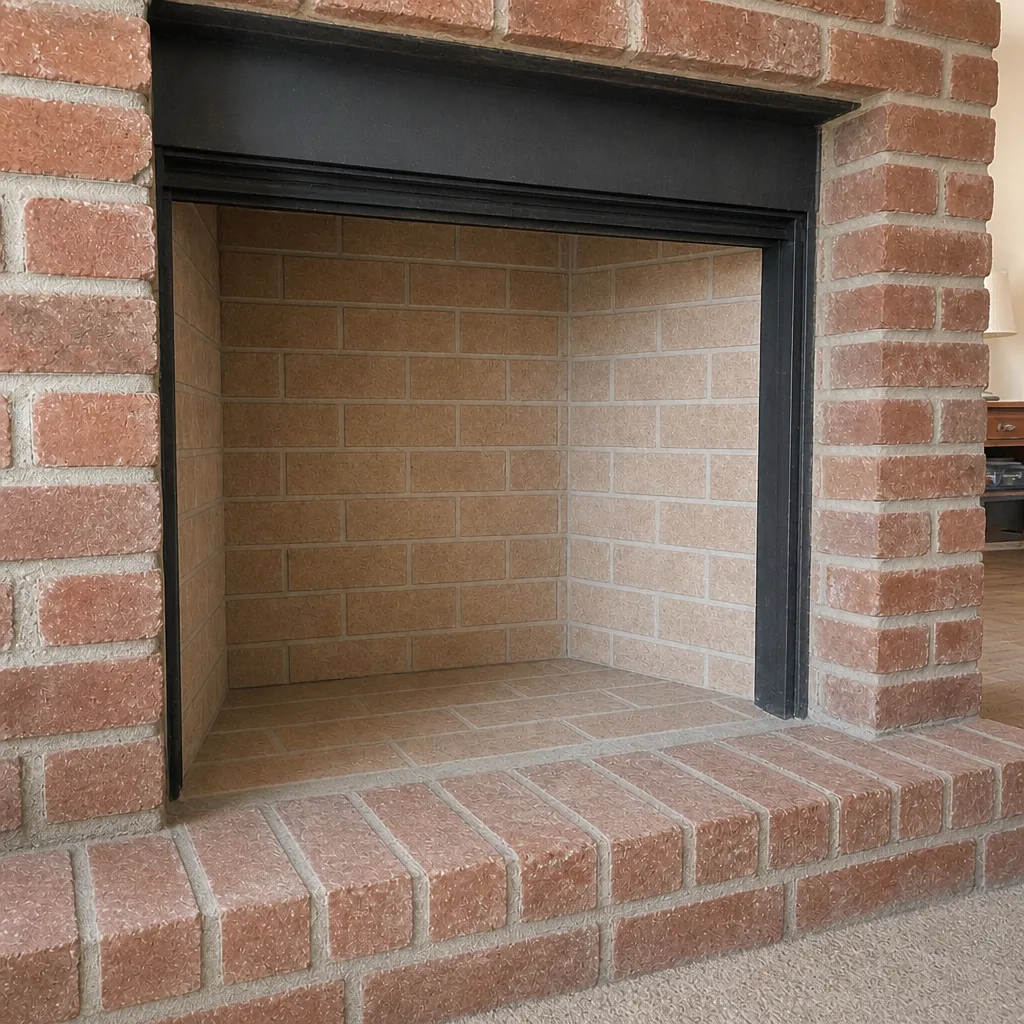
Before-and-after documentation should be a standard expectation on every chimney service, not a premium add-on. It gives you proof of what was done, a record of the flue’s condition, and a reference point for future inspections so you can see whether things are getting better or worse over time. A photo of the flue before cleaning and after is exactly what lets a homeowner see the truth of their own chimney without having to trust a sales narrative.
Here’s why it matters for a Mesa homeowner specifically. Winter use here is moderate, not brutal, which means a chimney can be active for years without the obvious warning signs a colder climate produces. Creosote can build quietly. A hairline crack in a liner can sit through several seasons before it causes trouble. Without documentation, you have no way to track those changes. With it, a technician can show you a before-and-after that makes a repair recommendation concrete or shows you everything’s fine.
Ask for these three things at the end of every visit:
- Photos of the flue interior before and after cleaning.
- Photos of any defect found, with a plain explanation of what it means.
- A written summary of the sweep, including the level of inspection performed and any repair recommendations.
When a company can’t or won’t show you what it found, that alone tells you something about how it operates. The homeowner’s real hesitation, in the end, is being told a chimney needs work they have no way to verify. The answer is documentation, and it should come standard.
How to Compare Quotes When Scopes Aren’t Itemized the Same Way
Comparing chimney quotes in Mesa is hard because two companies rarely itemize the same scope. One quote may bundle a brush cleaning, a camera inspection, and a photo report into one flat number. Another may quote cleaning alone and charge extra for the inspection, or fold in “minor repairs” that turn out to be routine maintenance. Comparing the bottom-line numbers side by side is misleading unless you normalize what’s included.
Before you compare a single figure, build a comparison sheet that records the same items across every quote you get:
- Sweep scope: is the full flue cleaned, and is the price flat for a standard sweep?
- Inspection level: what standard of inspection is performed, and is it included or separate?
- Documentation: are before-and-after photos and a written report included?
- Repair capability: can the company repair and reline, or only clean?
- Certification and insurance: is the technician CSIA-certified, and is the company insured?
- Brands and materials: what repair materials do they specify? Gelco and Olympia Chimney systems are common in professional relining work, and a company that can discuss its material choices is one that knows its trade.
Once the sheet is filled in for each quote, the differences become obvious. A quote that looks low on paper may be lower because it excludes the inspection and documentation. A quote that looks higher may include both, plus a technician who can do the repair on the same visit. That’s the comparison worth making, and it’s the one most homeowners skip. In our experience, the quote that looks highest often turns out to be the most complete, and the one that looks cheapest often ends up costing more when the follow-up work is added in.
When to Schedule Chimney Service in Mesa
The best time to schedule chimney service in Mesa is before the burning season starts, not in the middle of it. Fall, ahead of that first cool evening when you light the fireplace, is when a sweep has room in its schedule and when a problem found can be fixed before you need the chimney. Waiting until the cold moves in means waiting longer for an appointment and, if a defect turns up, facing it while you’re already using the fireplace.
How often should your chimney be swept? The general guidance is annual inspection and cleaning as needed for a chimney in regular wood-burning use. Some homes burn more heavily and need a sweep every year; others with occasional use can go a bit longer, but the annual inspection still matters, because the inspection is what catches a liner problem before it becomes a fire hazard. The inspection and the cleaning are not the same task, and a company that treats them as interchangeable is worth a second look.
Signs you should book sooner rather than waiting for the season:
- A smell of smoke in the room when the fireplace isn’t in use.
- Visible soot or creosote buildup around the firebox or damper.
- A fireplace that drafts poorly or sends smoke back into the room.
- Any chimney that hasn’t been serviced since you moved in.
- Dryer lint accumulating more than usual, or a dryer taking longer to dry clothes, which points to the vent side.
If your home is in Mesa, the seasonal timing is easier to control than in colder climates, but the annual inspection habit is the same. Booking ahead of the fall rush keeps the job unhurried and the decision yours to make. Call (866) 796-7711 to get on the schedule before burning season.
Common Mistakes to Avoid
- Assuming “licensed and insured” covers chimney work. Arizona doesn’t license chimney sweeps, so a license claim about sweep work doesn’t mean much. Ask about insurance and CSIA certification instead.
- Hiring the cheapest quote without reading the scope. The lowest number often excludes the inspection and documentation that make a sweep worthwhile. Compare full scopes, not bottom lines.
- Booking a sweep-only company when your chimney is old. If the house hasn’t had a professional look at the flue in years, a company that can’t repair or reline will flag problems and leave them for someone else.
- Accepting a repair recommendation without photos. You should be able to see the defect yourself. A recommendation that comes without camera evidence is a pitch, not an inspection.
- Skipping the annual inspection because the chimney “seems fine.” Problems like a cracked liner or hidden creosote build don’t announce themselves. The inspection is what catches them.
- Ignoring the dryer vent while the chimney gets attention. Your dryer vent is the second exhaust system in the house, and it deserves the same professional attention. Booking both in one visit covers the whole picture.
- Waiting until the cold arrives to book. Booking ahead of the Mesa burning season gets you a calmer schedule and time to fix what a sweep finds.
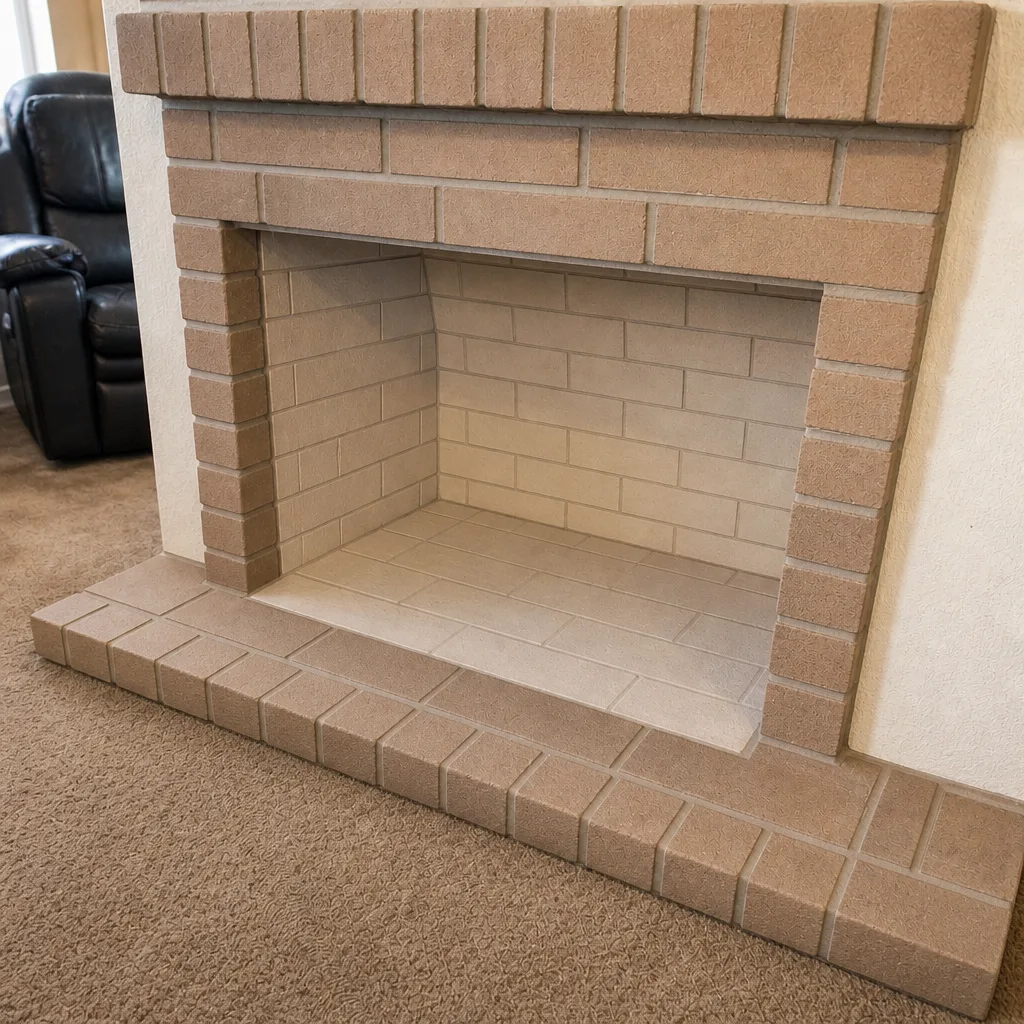
See the difference
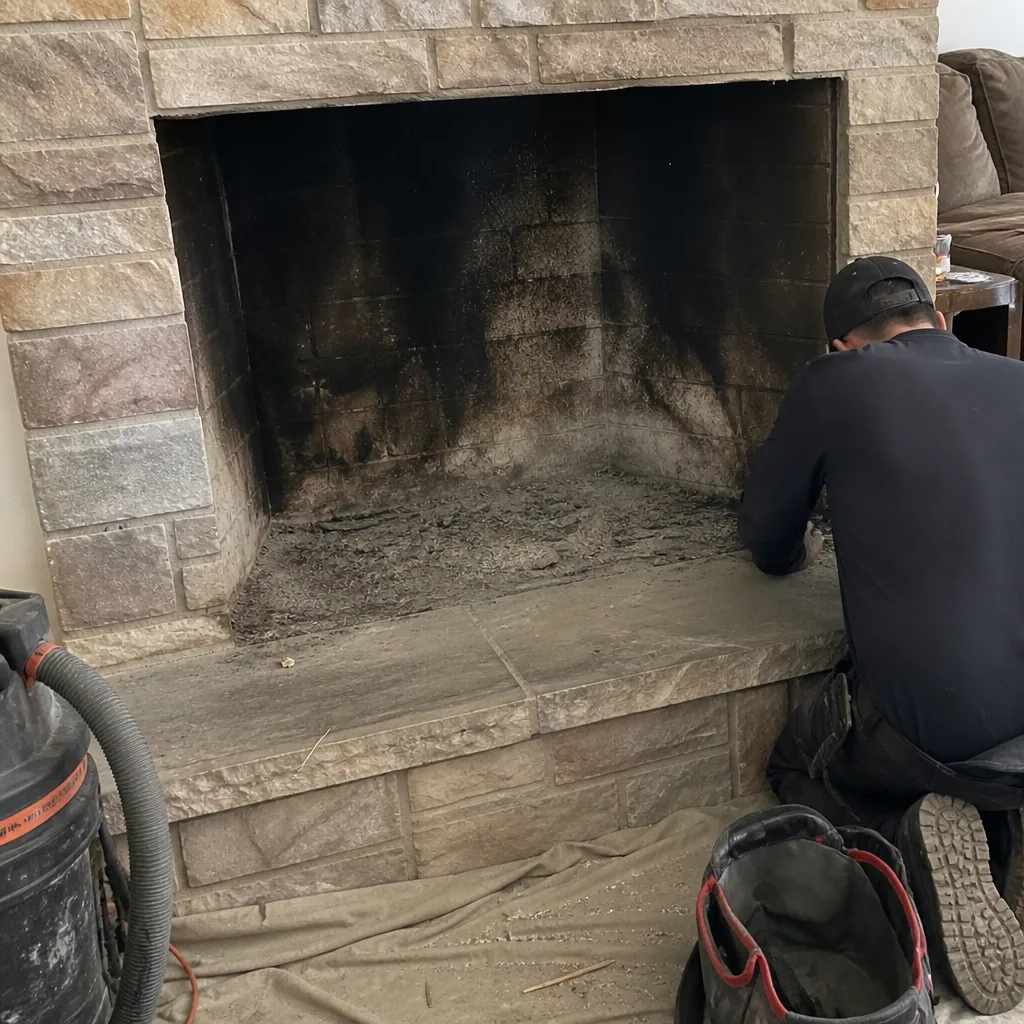 Before
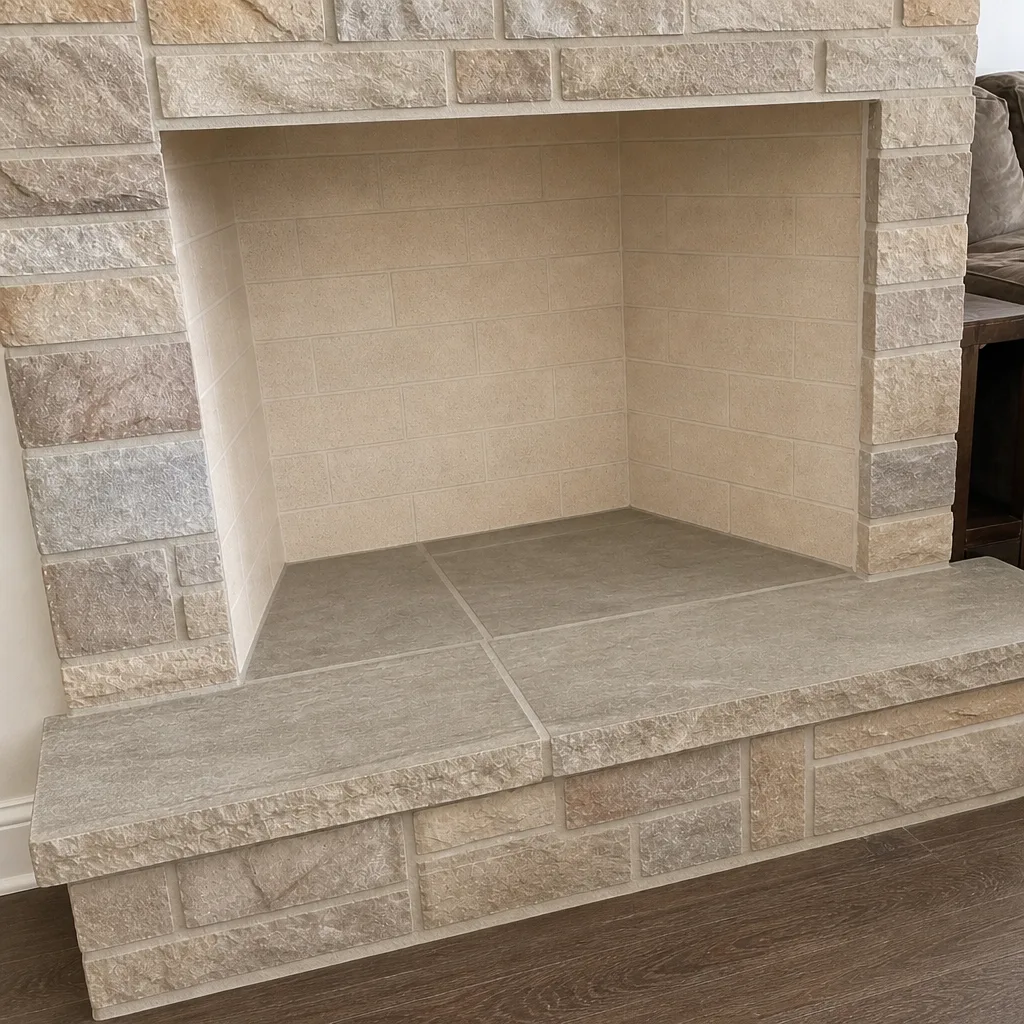 After
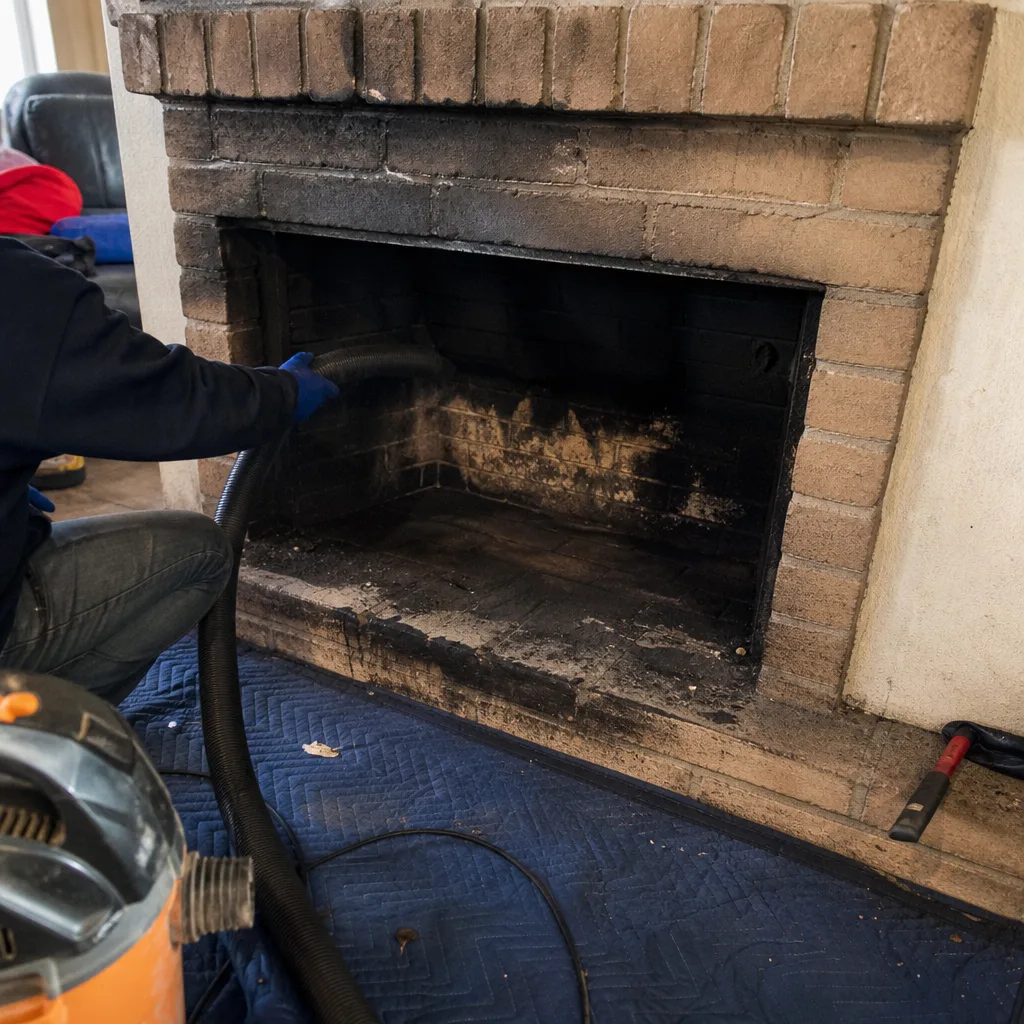 Before
 After
 Before
 After
When to Call a Professional
Call a professional chimney contractor when you smell smoke in a room the fireplace isn’t heating, when you can see soot or creosote around the firebox, when the fireplace drafts poorly, or when the chimney hasn’t been inspected since you moved in. Those signs can point to creosote buildup or a liner problem, and both are worth a trained eye rather than a guess. If you’re not sure whether the work can wait, a professional sweep can tell you. Mesa Chimney Sweep offers free estimates in Mesa; call (866) 796-7711. Our technicians have up to 11 years of experience, and we show you exactly what we find before recommending anything.
Frequently Asked Questions
No, because Arizona doesn’t license chimney sweeps as a standalone trade, so there’s no state license to check. That makes CSIA certification and proof of insurance the credentials that actually matter when you hire. Ask for the certified technician’s name and verify it through the CSIA directory. Call (866) 796-7711 for an exact quote; estimates are free.
The price is set per job by a written estimate, so the honest answer is that it depends on your chimney’s condition and how much cleaning and inspection it needs. Ask for a flat, written estimate that itemizes what’s included, and expect before-and-after photos in the scope. Call (866) 796-7711 for an exact quote; estimates are free.
Only if the liner itself is damaged or the flue is compromised, and you shouldn’t take that on faith. A damaged liner can often be restored in place with HeatShield resurfacing rather than replaced entirely, and DuraFlex systems are used when a full reline is genuinely required. Ask for the camera evidence and a plain explanation before authorizing any liner work. Some liner fixes can safely wait a season, and a good technician will tell you which. Call (866) 796-7711 for an exact quote; estimates are free.
The general guidance is an annual inspection with cleaning as needed for a chimney in regular wood-burning use. Homes that burn heavily may need a sweep every year, while occasional use may stretch the interval, but the annual inspection still catches liner and creosote problems early. Call (866) 796-7711 to book ahead of the season; estimates are free.
Creosote builds up in the flue as you burn wood, and if it’s left long enough it can ignite, which is how chimney fires start. A cracked or deteriorated liner also lets combustion gases into the home rather than up and out, and carbon monoxide is the risk there. Neither is a reason to panic, but both are good reasons to book the annual inspection. Call (866) 796-7711 for an exact quote; estimates are free.
Yes, and it’s worth asking for both in a single visit, since chimney and dryer vent are the two exhaust systems in a house and both can be serviced together. A full-service company that handles chimney sweeping, repair, and chimney sweep work alongside dryer vent cleaning gives you one assessment instead of two. Mesa Chimney Sweep covers all three; call (866) 796-7711 for a free estimate.
The Bottom Line
Hiring a chimney contractor in Mesa comes down to three checks you can complete before anyone steps onto your property. Verify the technician’s CSIA certification by name, confirm the company is insured, and ask directly whether it repairs and relines or only cleans. Then insist on before-and-after documentation and compare full scopes rather than bottom-line prices. A low quote that excludes the inspection is not a bargain, and a repair pitch without photos is not an inspection. Make the decision on evidence, book ahead of the burning season, and let the company that can fix what it finds be the one you call.
Mesa Chimney Sweep provides chimney sweeping, chimney repair including relining and HeatShield flue resurfacing, and dryer vent cleaning. We work with professional-grade systems from DuraFlex, HeatShield, Gelco, Olympia Chimney, Famco, and Copperfield, and we show you exactly what we find before recommending anything. We answer 24/7, with fast dispatch from 7am to 7pm, Sunday through Friday. Call (866) 796-7711 for a free estimate.
Written by the team at Mesa Chimney Sweep.