
Last updated November 15, 2026
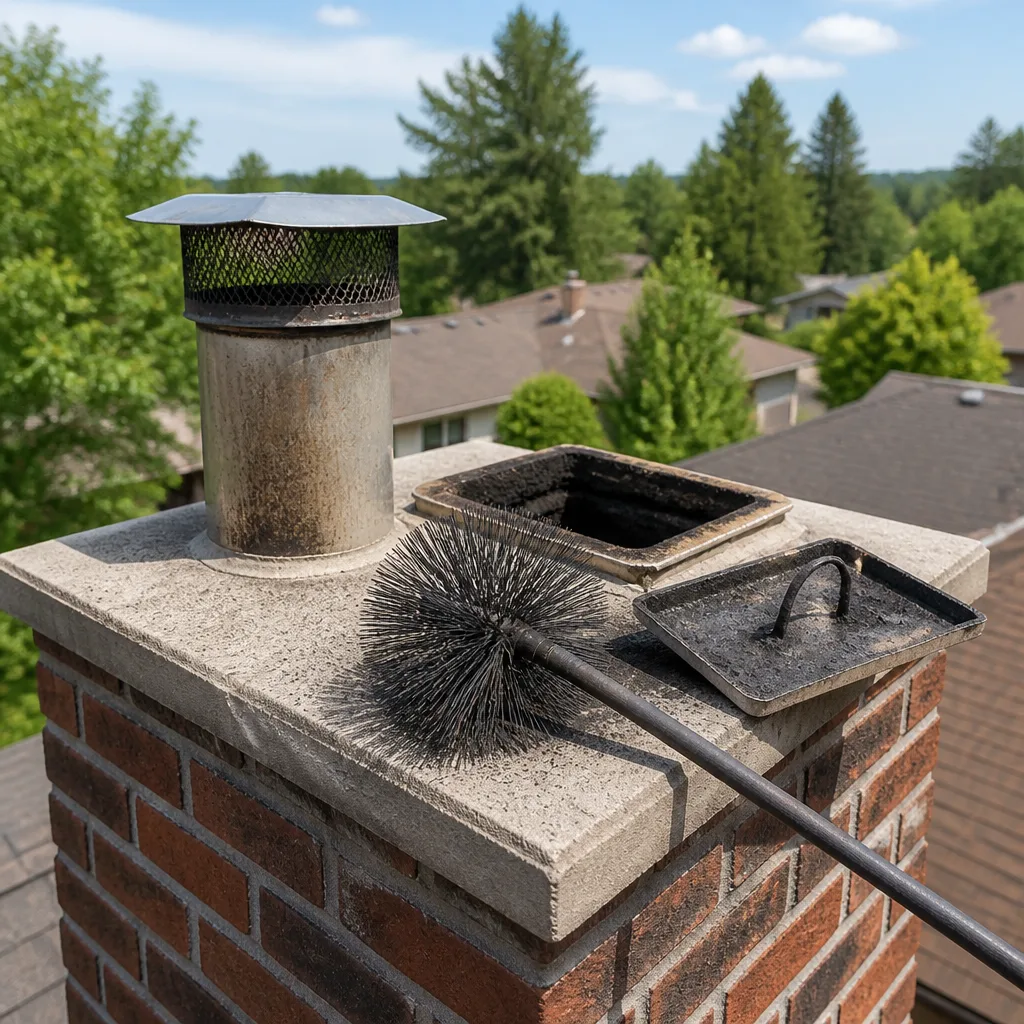 Sweep & inspection
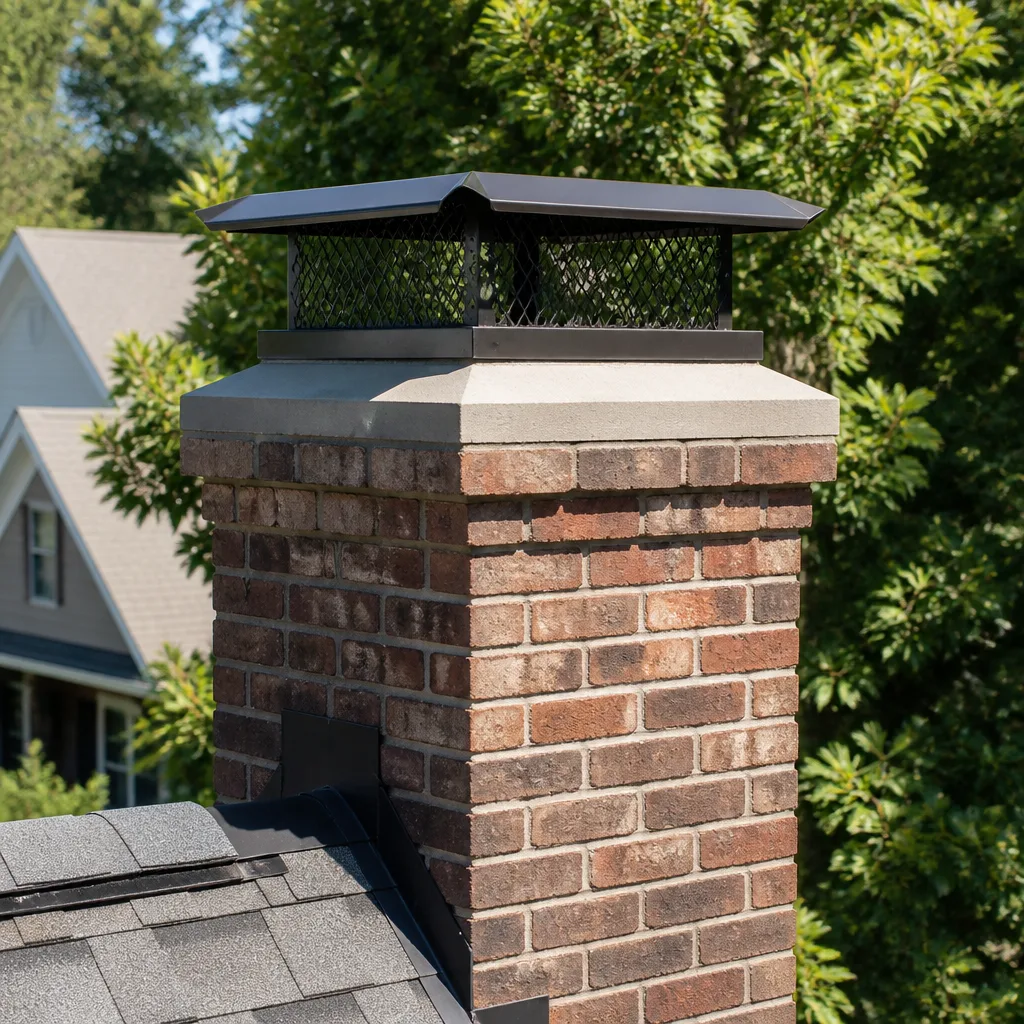 Caps & crowns
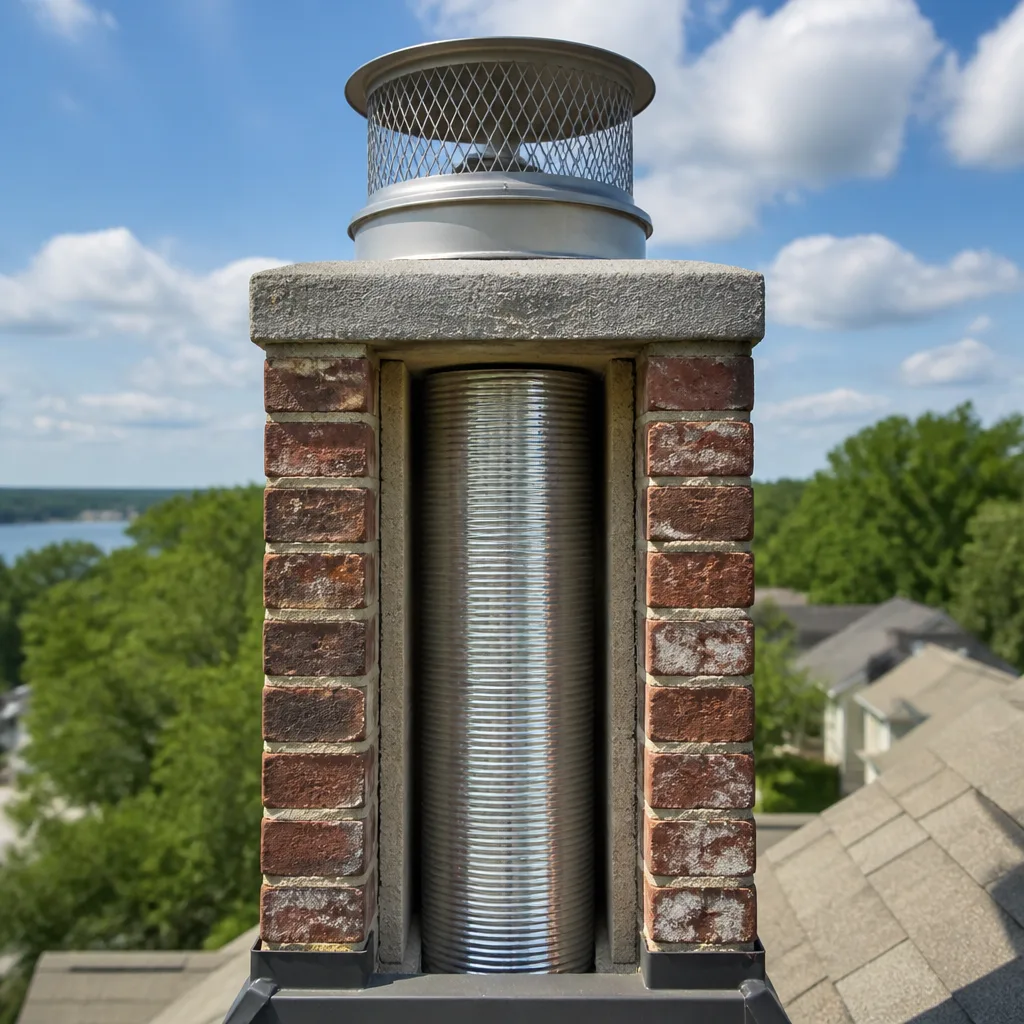 Flue relining
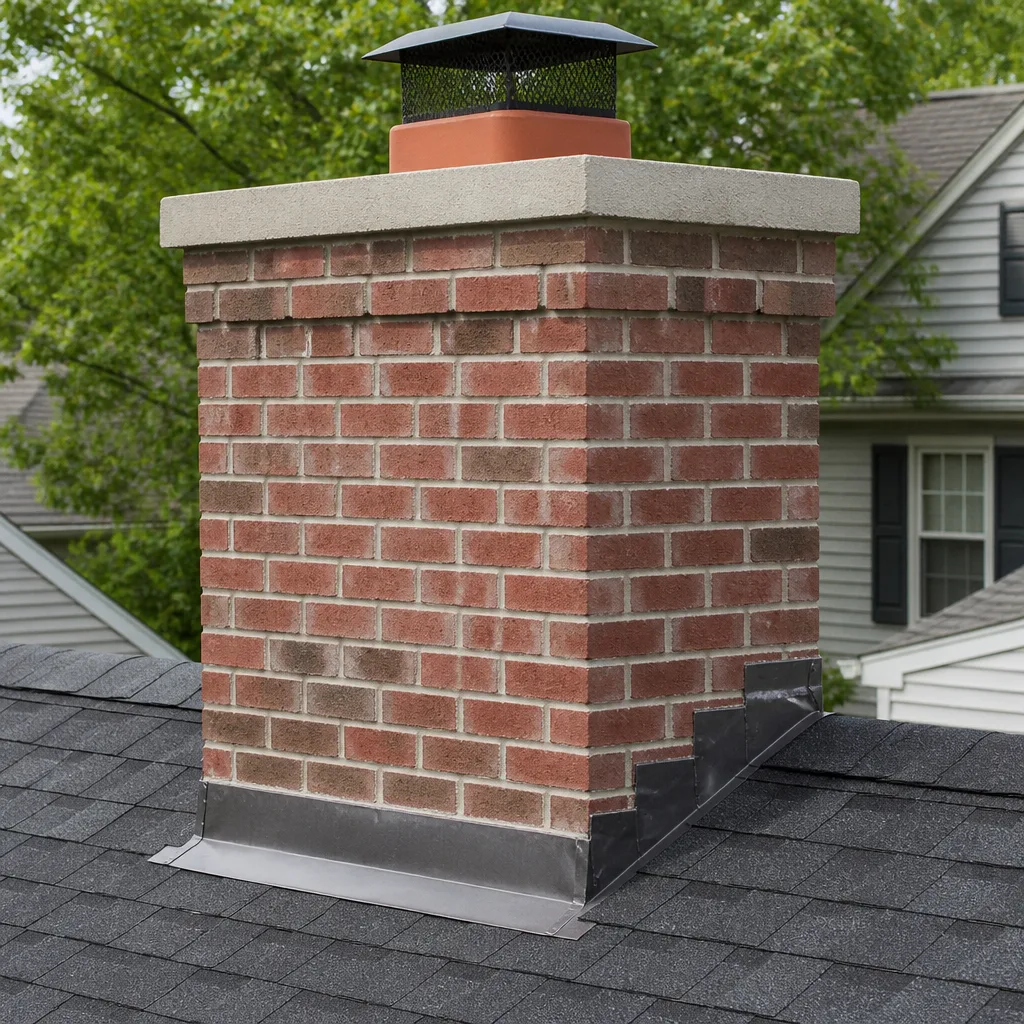 Masonry repair
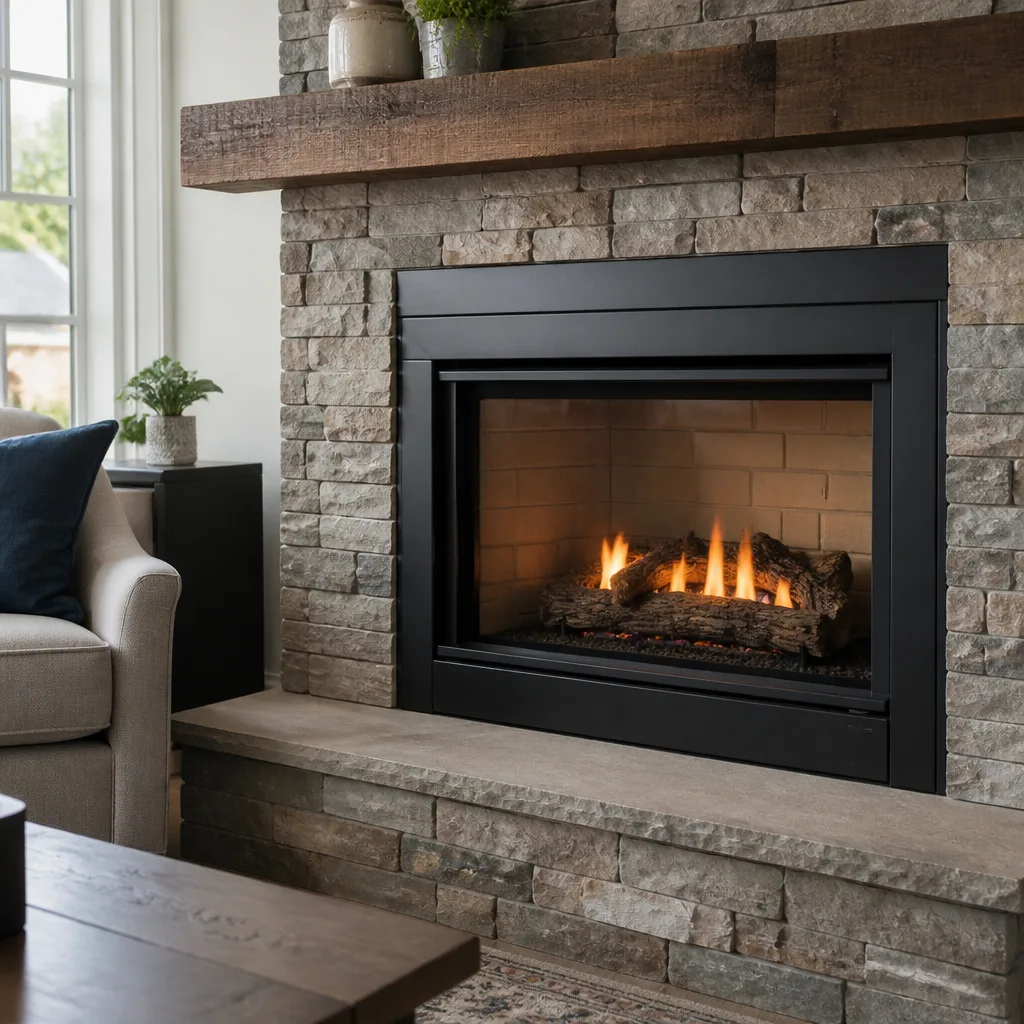 Gas fireplace service
Level 1 sweep and inspection to the NFPA 211 annual standard - flue, crown, cap, and flashing checked and photographed
Chimney sweep logs do not sweep chimneys. They loosen some creosote - which then falls where a brush and vacuum still have to collect it.
Chimney Cleaning Emergency Preparedness Guide for Mesa Homes
A chimney fire is obvious. A partially blocked flue pushing carbon monoxide back into your living room is not. In Mesa, that second scenario is the one we see more often, because of the way haboob dust and debris settle into flue caps and spark arrestors over the summer. By the time cool weather arrives and the first fire gets lit, the flue may already be partly closed off. This guide walks through the three main chimney emergencies Mesa homeowners face – chimney fire, CO backup, and monsoon structural damage – with a specific response protocol for each. You’ll also get the ten-minute post-haboob check, the detector placement rule, and what to document before any repair starts.
Quick Answer
If you suspect a chimney fire, get everyone out and call 911 first, then call your chimney professional to inspect for damage. If a carbon monoxide alarm sounds, leave the house immediately and call 911 – do not try to find the source. For a blocked flue, stop using the fireplace and book a sweep before lighting another fire. Mesa Chimney Sweep handles inspections, repairs, and relining after any of these events; call (866) 796-7711 for a free estimate.
Styles & brands we work with
- Sweep & inspection
- Caps & crowns
- Flue relining
- Masonry repair
- Gas fireplace service
Table of Contents
- The Three Chimney Emergencies Mesa Homeowners Actually Face
- What To Do Immediately If You Suspect a Chimney Fire
- Carbon Monoxide: The Silent Emergency
- The 10-Minute Post-Haboob Check
- Monsoon and Wind Damage: Structural Warning Signs
- Critter Intrusions and Nest Blockages
- Why CO Detectors Near Sleeping Areas Matter Here
- Who To Call After the Emergency and What To Document
The Three Chimney Emergencies Mesa Homeowners Actually Face
Most chimney preparedness advice treats “chimney emergency” as a synonym for “chimney fire.” In Mesa, that assumption misses two-thirds of the real risk. The three distinct emergencies we see here have different warning signs, different response protocols, and different repair paths. Knowing which one you’re looking at changes what you do in the moment and what you do afterward.
Chimney fire. Typically caused by creosote buildup in a flue that hasn’t been swept in a season or more, or by burning green or unseasoned wood that deposits faster. Symptoms include a loud roaring or popping sound, dense smoke from the top, a glowing or vibrating flue, or a sudden temperature spike in the chimney chase. Wood-burning fireplaces are the source; the danger is fire spreading through the chimney structure into the attic or adjacent framing.
Carbon monoxide backup. Caused by a blocked flue, a cracked liner, a reversed draft, or a backdraft situation where the chimney pulls air the wrong direction. Symptoms include headache, dizziness, nausea, and drowsiness – or no symptoms at all in the case of low-level chronic exposure. CO is colorless and odorless, which is why the detector is the only reliable alarm. In Mesa, the most common cause is debris blocking the flue cap or lower flue after a monsoon.
Structural failure after weather. Caused by wind-driven debris, monsoon downdrafts, or age-related deterioration of the crown, cap, or liner. Symptoms include loose flashing, visible cracks in the exterior masonry, water stains on the ceiling near the chase, or a cap sitting crooked after a storm. This one often doesn’t announce itself with any indoor symptom – the fireplace seems to work fine until smoke starts back-puffing or the flue starts leaking water into the attic.
In our experience across Mesa, the CO backup scenario is the one homeowners are least prepared for, because it has no sensory warning. The rest of this guide treats each of the three on its own terms.
What To Do Immediately If You Suspect a Chimney Fire
The correct sequence for a suspected chimney fire is: get everyone out, call 911, then call a chimney professional for a post-fire inspection – in that order. Do not try to fight a chimney fire from inside the house, and do not close the fireplace damper to “smother” it. A closed damper can push heat and smoke back into the living space and trap combustion gases when the fire vents unpredictably.
- Get everyone out of the house. Including pets. A chimney fire can spread into the attic, wall cavities, or roof structure before it’s visible from inside.
- Call 911 from outside. Even if the fire appears to be out, structural fire inside a chimney chase can smolder for hours. Fire crews will confirm whether it’s truly extinguished and check for extension into framing.
- Do not re-enter to close the damper or open windows. Leave the house sealed. Opening doors or windows feeds oxygen to a fire inside the chimney.
- After the fire department clears the scene, book a professional chimney inspection before lighting another fire. A chimney fire almost always causes some level of liner damage – cracked clay tile, warped metal liner, or separated joints – that isn’t visible from the firebox.
- Document everything. Photograph the chimney exterior, the firebox, and any interior damage. Keep the fire department’s incident report. This documentation matters for insurance.
One point worth stating clearly: a chimney fire that “put itself out” is not a chimney fire that “did no damage.” The damage is usually to the flue liner, which is the barrier between combustion gases and the wood framing of the house. A cracked liner after a fire is a CO and fire-extension risk on the next burn. Inspect before relighting.
Carbon Monoxide: The Silent Emergency
If a CO alarm sounds, treat it as a real event every time: get everyone out of the house, call 911 from outside, and do not re-enter until the fire department clears the property. Do not open windows to “air it out” and do not try to locate the source yourself. CO is colorless and odorless, so your senses cannot confirm when the house is safe again.
The reason this section exists at all is that a CO event is the emergency most likely to be mistaken for something else. Symptoms overlap with flu, food poisoning, or simple fatigue – headache, dizziness, nausea, drowsiness. If multiple people in the house feel the same way at the same time, and the feeling improves when they leave the house and returns when they come back, that pattern is a CO signal worth taking seriously. Pets often show symptoms first.
A blocked flue is one of the most common household sources of CO from a fireplace. When the flue is partially blocked – by creosote, by a bird nest, by a collapsed tile, or by debris that settled in during a haboob – combustion gases can’t rise cleanly out of the chimney. Instead they back-puff into the room, especially on cool mornings when the chimney hasn’t warmed up and the draft is weak. A wood-burning fireplace that “smokes a little on startup” is not always just a draft problem; sometimes the flue is partially blocked and the smoke is the visible portion of a larger exhaust problem.
What to do after a CO event clears
- Do not relight the fireplace until the flue and venting have been inspected.
- Have the chimney swept and the flue inspected with a camera so the blockage or crack can be identified, not just assumed.
- If the flue liner is cracked or damaged, plan on relining before the fireplace goes back into service. HeatShield resurfacing is an option for certain liner conditions, and DuraFlex flexible liners handle full relining for compromised flues.
- Replace CO detector batteries and test the unit after any event.
This is the kind of situation where a professional diagnosis matters more than a guess. We show you what the camera sees, and we have the materials to fix what’s found on the same visit.
The 10-Minute Post-Haboob Check
The single best CO-prevention habit for a Mesa homeowner is a ten-minute inspection after any significant dust storm. Haboobs are a seasonal reality in the East Valley, and the debris they carry – fine dust, sand, small twigs, palm fronds, and roof granules – settles into chimney caps, spark arrestors, and the top of the flue. That’s the material that quietly narrows the flue through the summer, before the first cool-weather fire.
What to check after a haboob
- Look at the cap and spark arrestor from the ground. Binoculars help. If the screen is visibly matted with dust or blocked by debris, the flue is at risk of being partially closed off.
- Check the firebox for grit or dust. A small amount of dust in the firebox is normal after a haboob. Visible sand, granules, or debris falling from the flue is not – it means material is sitting in the flue above.
- Open the damper and look up with a flashlight. You should see clear sky or a clean flue surface. If you see a mat of debris, stop and book a sweep before lighting anything.
- Check the exterior masonry and crown for new cracks. Monsoon wind can open hairline cracks in the crown that let water into the chase.
- Check nearby trees and rooflines for branches resting on the chimney chase. Branches that shifted during the storm can trap debris against the cap.
- Test the CO detectors in the house. Every alarm, not just the one nearest the fireplace.
Ten minutes. That’s the whole protocol. The check catches the most common reason a Mesa chimney becomes a CO source before the first fire of the season – namely a blockage that settled in over the summer and nobody noticed. If anything in the check looks off, a chimney sweep with a camera inspection will tell you exactly what’s going on inside the flue.
Monsoon and Wind Damage: Structural Warning Signs
Monsoon season in Mesa brings the kind of wind that pushes on a chimney from an angle it doesn’t usually face. Downdrafts and microbursts are short, but they stress chimney caps, crowns, flashing, and the top courses of masonry. The damage is often invisible from the living room, but easy to spot from the driveway or from a ground-level look with binoculars.
Warning signs to look for after a storm
- A crooked chimney cap. Caps that have been pushed off-center let water and debris into the flue and stop doing their job.
- New cracks in the crown. The concrete crown at the top of the chimney sheds water. A cracked crown sends water down into the chase, where it can cause spalling, staining, and eventually liner damage.
- Loose or pulled flashing at the roofline. Flashing that lifts during wind lets water into the attic at the chimney penetration – one of the most leak-prone spots on any roof.
- Brick or mortar debris on the roof or ground. Any material falling from the chimney means the exterior is deteriorating, and it needs inspection.
- Water stains on the ceiling or walls near the chase. An interior stain is a late warning sign – the water has been getting in for a while.
- A change in fireplace draft after a storm. If the fireplace suddenly smokes more than it used to, or the draft feels weaker, storm debris or a shifted cap may be restricting the flue.
Structural damage after a storm rarely causes an emergency on its own, but it sets up the conditions for one. A cracked crown plus a cracked liner equals water getting into the flue, which degrades the liner further, which becomes a CO risk the next time the fireplace is used. The fix is usually straightforward when it’s caught early – and more involved when it isn’t.
Critter Intrusions and Nest Blockages
Birds, squirrels, and other small animals find uncapped chimneys by instinct, and Mesa’s mild winters mean animals stay active through the season. A chimney that lacks a proper cap and spark arrestor is an open vertical space with warmth at the top and shelter all the way down. Nests of twigs, leaves, and dry grass settle into the flue and can block the exhaust path entirely – or partially, which is worse, because the blockage is invisible and the fireplace still appears to work.
A bird nest in the flue is also a fire hazard in its own right. The nest material catches sparks from the firebox and burns inside the chase, sometimes without the homeowner noticing until the smoke from the nest fire starts coming back into the room. Critter intrusions are one of the reasons we recommend a proper flue cap on every chimney we inspect.
Signs a nest or animal is in the flue:
- Scratching, chirping, or flapping sounds from inside the chimney
- Debris falling into the firebox when the damper is opened
- Smoke back-puffing into the room more than usual on startup
- An unpleasant odor from the fireplace when it isn’t in use
- Visible nesting material near the top of the flue when inspected from the roof
If you suspect a live animal in the chimney, don’t light a fire to “flush it out” and don’t try to reach into the flue from the firebox. Book a professional sweep, and the animal can usually be removed safely and the flue cleaned before anything gets lit.
Why CO Detectors Near Sleeping Areas Matter Here
Every Mesa home with a wood-burning fireplace should have a carbon monoxide detector within ten feet of each sleeping area. That placement rule exists because CO is most dangerous when people are asleep – the symptoms are easy to attribute to poor sleep, and the drowsiness CO causes reduces the chance a person wakes up and recognizes what’s happening. A detector near the bedrooms gives people the earliest possible warning while they’re still able to respond.
Fireplace use frequency doesn’t change the rule. A homeowner who lights a fire once a month is still exposed to the same CO risk on that one burn if the flue is blocked. In Mesa, the blocked-flue scenario most often traces back to summer dust and debris, or to a critter nest that moved in during the off-season – neither of which announces itself before the first fire.
Detector basics worth getting right:
- One on every level of the home, plus one within ten feet of each sleeping area.
- Test every alarm monthly with the test button. Replace batteries on the manufacturer’s schedule.
- Replace alarms on the manufacturer’s replacement schedule. Detectors have a service life, and an expired alarm gives you false confidence.
- Do not place a detector directly above the fireplace. Normal fireplace smoke can set it off and desensitize you to alarms. Ten feet from sleeping areas and one per level, not one in the firebox zone.
A working detector is the reason a blocked flue becomes a nuisance instead of a tragedy. That’s why we treat detector placement as part of chimney safety, not a separate topic.
Who To Call After the Emergency and What To Document
After any chimney emergency – fire, CO event, or storm damage – the sequence is: emergency services first, then documentation, then a professional chimney inspection, then repair. The documentation step is the one most homeowners skip, and it’s the one that determines whether the repair is straightforward to insure.
Who to call, in order
- 911 if there’s an active fire, a CO alarm, or any question about safety. Never skip this step to “see if it clears up.”
- Your insurance company to open a claim or at least get the event on record, before any repair work starts. Most policies want to see the damage before it’s fixed.
- A chimney professional for a post-event inspection with camera. This is the inspection that identifies the actual damage – not just what’s visible from the firebox.
What to document before repair work begins
- Photographs of everything – the chimney exterior from multiple angles, the firebox, the flue if accessible, and any interior damage near the chase.
- The fire department’s incident report if they responded. Ask for it and keep it.
- The chimney inspection report – a camera inspection with photo documentation of the flue is the strongest record you can hand to an adjuster.
- Receipts for any emergency measures – fire extinguisher use, temporary tarping, or hotel stays if the house was unsafe.
- Any prior chimney service records. If the chimney was swept and inspected on a regular schedule, that’s evidence of proper maintenance and can support the claim.
If the inspection turns up liner damage, we can handle the repair – from HeatShield flue resurfacing for certain liner conditions to full relining with DuraFlex flexible liner systems, using the same contractor-grade materials chimney professionals specify, including Gelco and Olympia Chimney components. When repair work is needed, it’s better to have the documentation first, the inspection second, and the repair third.
Common Mistakes to Avoid
- Waiting for the fire department to “make sure” it’s out without booking a liner inspection. Fire crews confirm the fire is out and check for extension into framing. They don’t assess liner integrity. That inspection is a separate call, and it matters for the next burn.
- Assuming a smoking fireplace is “just a draft problem.” In Mesa, a fireplace that smokes on startup more than it used to is often a partially blocked flue, not a weak draft. Treat it as a blockage until a camera inspection says otherwise.
- Lighting the first fire of the season without the post-haboob check. The debris that settled in over the summer doesn’t clear on its own. Ten minutes of checking beats a CO event.
- Relying on smell instead of a CO detector. CO has no smell. A working detector within ten feet of the sleeping area is the only warning you’ll get.
- Accepting a verbal “your liner needs replacing” without photo documentation. Ask for the camera inspection photos before approving any liner work. You should be able to see what the technician sees.
- Starting repair work before documenting for insurance. Once the damage is fixed, the adjuster has nothing to inspect. Photograph and report first.
- Skipping the dryer vent in the same visit. Your fireplace and dryer vent are both exhaust systems, and dryer vent lint is a leading cause of household fires. If you’re already scheduling a dryer vent cleaning, group it with the chimney sweep so the whole ventilation picture gets checked at once.
See the difference
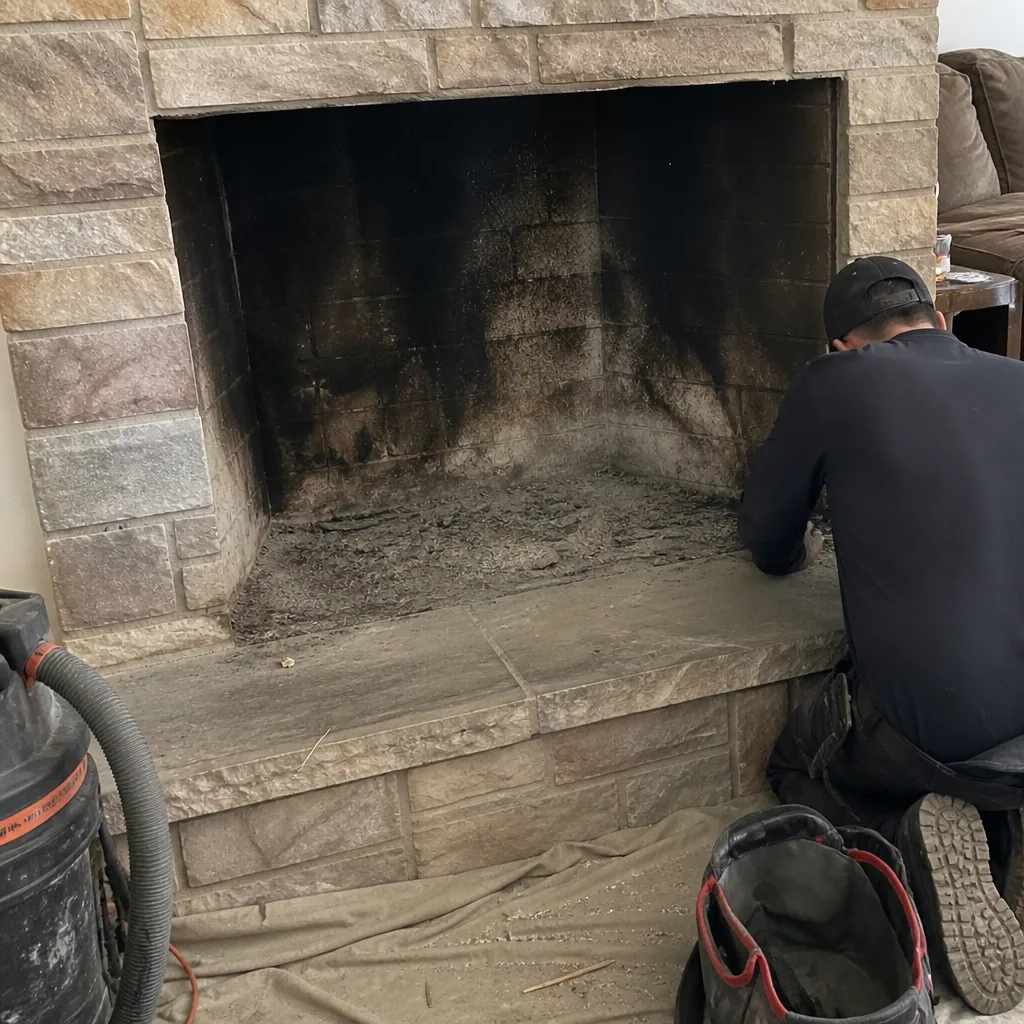 Before
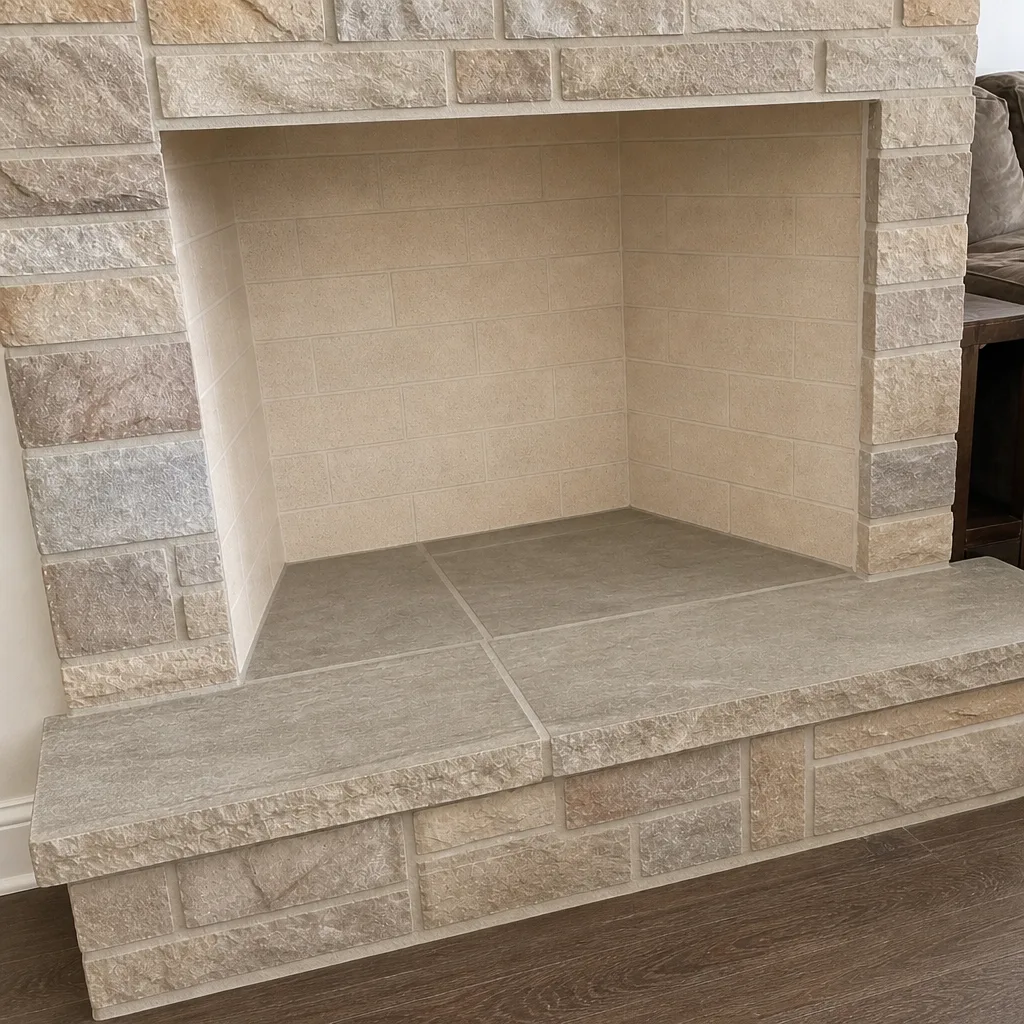 After
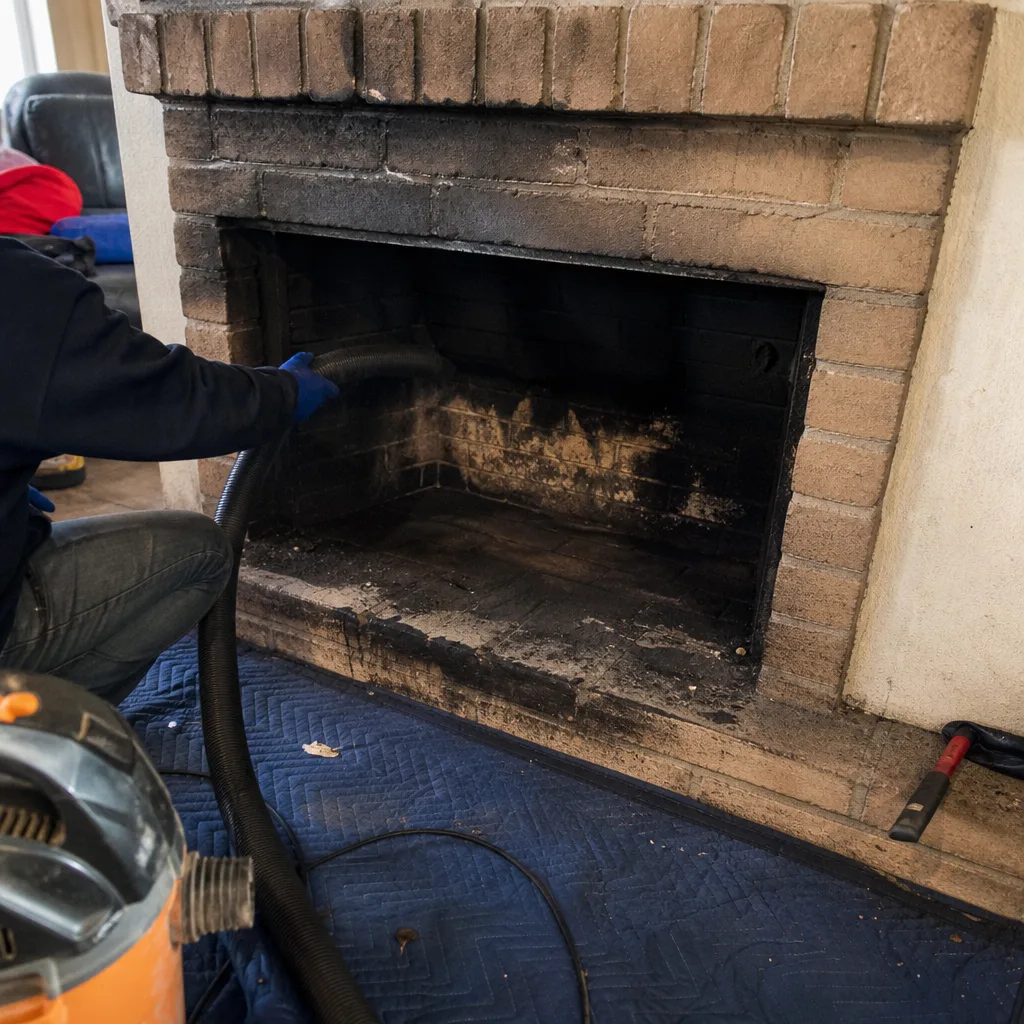 Before
 After
 Before
 After
When to Call a Professional
Call a professional chimney service if any of these apply: you’ve had a chimney fire, a CO alarm has sounded, your fireplace is smoking more than it used to, your chimney cap or crown is damaged after a storm, you suspect a critter nest in the flue, your CO detectors aren’t working or aren’t placed near sleeping areas, or it’s been more than a season since the last sweep and the first cool-weather burn is coming. For any active fire or CO alarm, call 911 first. For everything after that, Mesa Chimney Sweep offers free estimates in Mesa – call (866) 796-7711. We answer 24/7.
Frequently Asked Questions
A wood-burning chimney should be swept at least once a season of regular use, and more often if the wood is unseasoned or the fireplace sees heavy use. In Mesa, we also recommend a sweep after an especially heavy haboob season if the cap isn’t fully protected, because that’s when dust and debris settle into the flue. If you can’t remember the last sweep, book one before the next fire – call (866) 796-7711 for a free estimate.
A chimney fire has sensory warning signs – roaring, popping, dense smoke, or a glowing flue. A CO problem has none; the detector is the only reliable alarm. If you suspect a chimney fire, get out and call 911. If a CO alarm sounds, get out and call 911. If you’re not sure which one you’re dealing with, treat it as both and get out. Call (866) 796-7711 after the emergency clears for the follow-up inspection.
The most common outcome is a partially blocked flue that goes unnoticed until the first fire of the season back-puffs smoke, or worse, pushes CO into the living space. The blockage is usually debris, not a structural failure – the check catches it before it becomes an event. A sweep with camera inspection confirms whether the flue is clear. Call (866) 796-7711 to schedule one.
Not always, but you need a professional inspection to know for sure. A chimney fire often cracks clay tile liners or warps metal ones, and the damage isn’t visible from the firebox. The inspection with a camera tells you whether the liner is intact, whether HeatShield resurfacing can restore it in place, or whether a full reline with DuraFlex is the right path. Call (866) 796-7711 for an inspection with photo documentation.
Most homeowners policies cover chimney fire damage, but they want documentation before repair, and some have specific requirements around maintenance records. Photograph everything, keep the fire department report, and get a written inspection with photos before any work starts. We provide camera inspection reports that homeowners can hand directly to an adjuster. Call (866) 796-7711 for a post-fire inspection.
Call 911 first for any active fire or CO alarm. After the emergency clears, call a chimney professional for a camera inspection, and your insurance company to open a claim before repairs start. A full-service chimney company can handle the inspection, the repair, and the relining – Mesa Chimney Sweep covers all three in Mesa, along with dryer vent cleaning so both exhaust systems get checked in one visit. Call (866) 796-7711.
The Bottom Line
Chimney emergencies in Mesa come in three forms, not one. Chimney fires get the attention, but CO backup from a blocked flue is the emergency that shows up without warning – and the one most often caused by our own local weather. The 10-minute post-haboob check catches most of these before the first fire of the season. A CO detector within ten feet of each sleeping area catches the ones the check misses. And a professional inspection after any event – fire, alarm, or storm – is what turns a scary night into a fixable situation. Document first, inspect second, repair third.
Contact Us
If you’re in Mesa and you’re not sure whether your chimney is ready for the next fire, or you’re dealing with the aftermath of a chimney emergency, we can help. We inspect with a camera, show you exactly what we find, and have the parts and materials to fix it – HeatShield resurfacing, DuraFlex liner systems, Gelco and Olympia Chimney components, and dryer vent service in the same visit. Our technicians have up to 11 years of experience, and the estimate is free. Call (866) 796-7711 for a free estimate. We answer 24/7. Fast dispatch from 7am to 7pm, Sunday through Friday. Learn more about Mesa Chimney Sweep and what we cover across Mesa.
Written by the team at Mesa Chimney Sweep.