
Last updated November 15, 2026
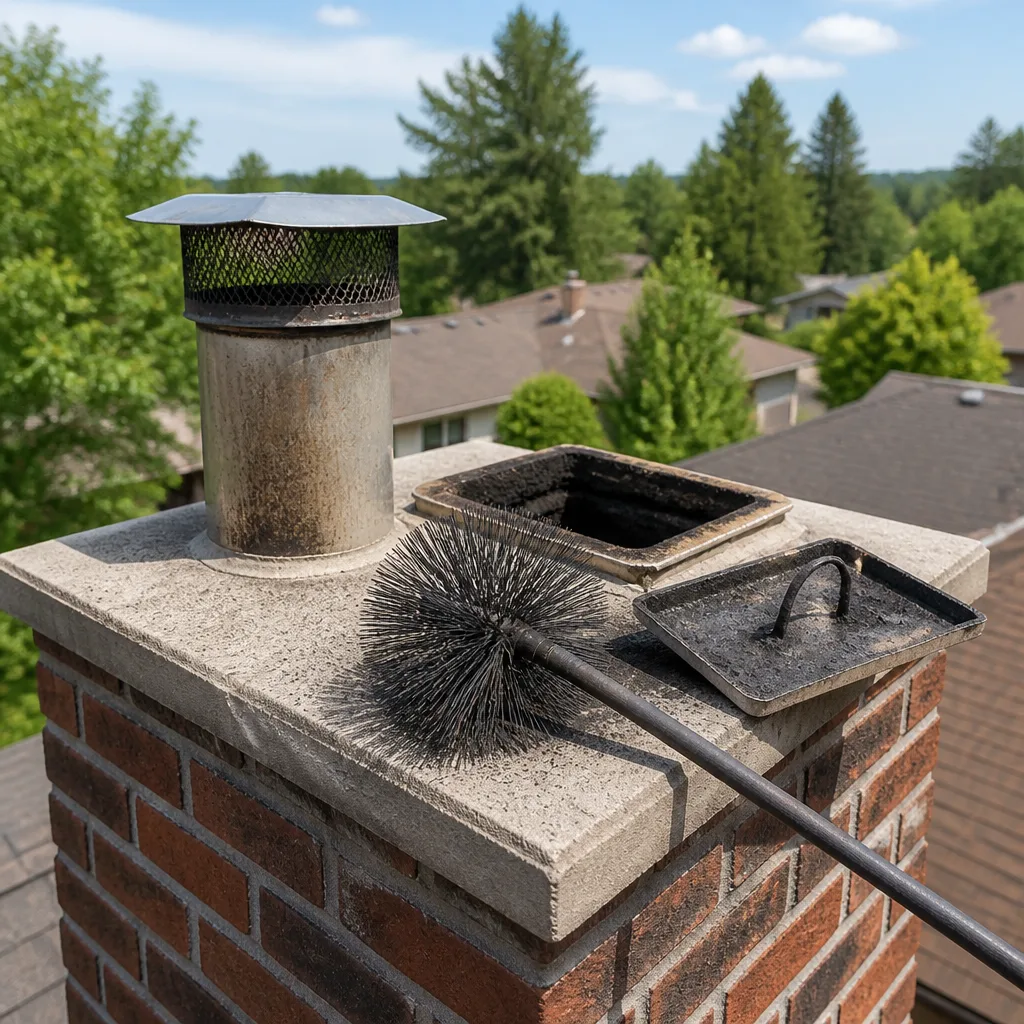 Sweep & inspection
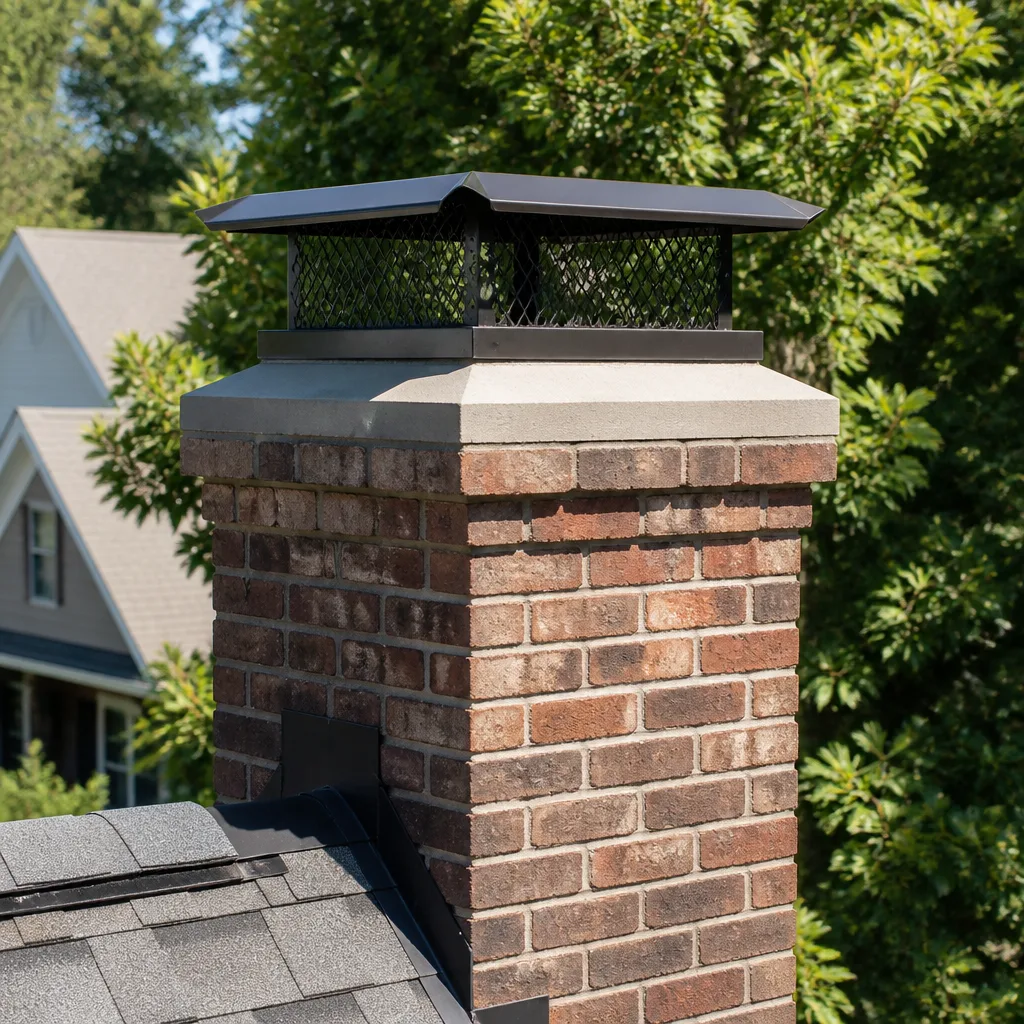 Caps & crowns
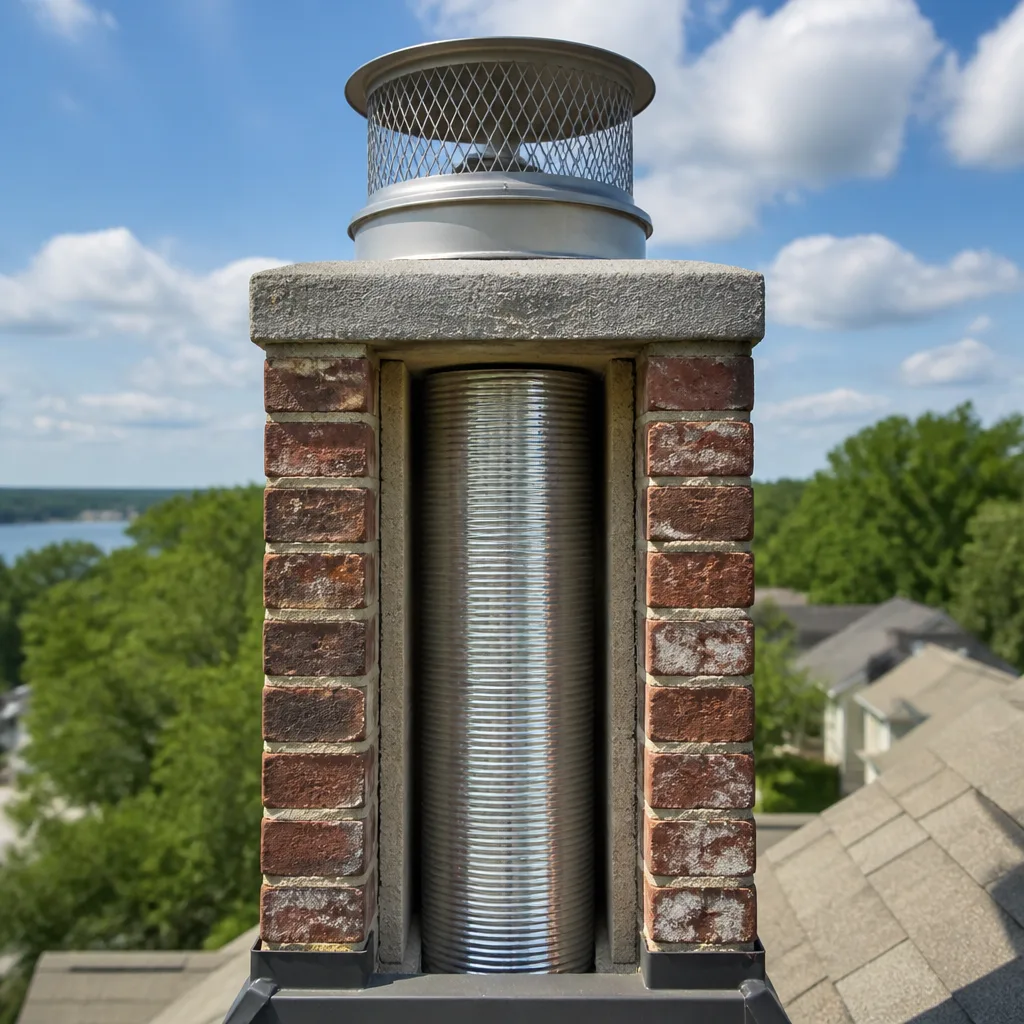 Flue relining
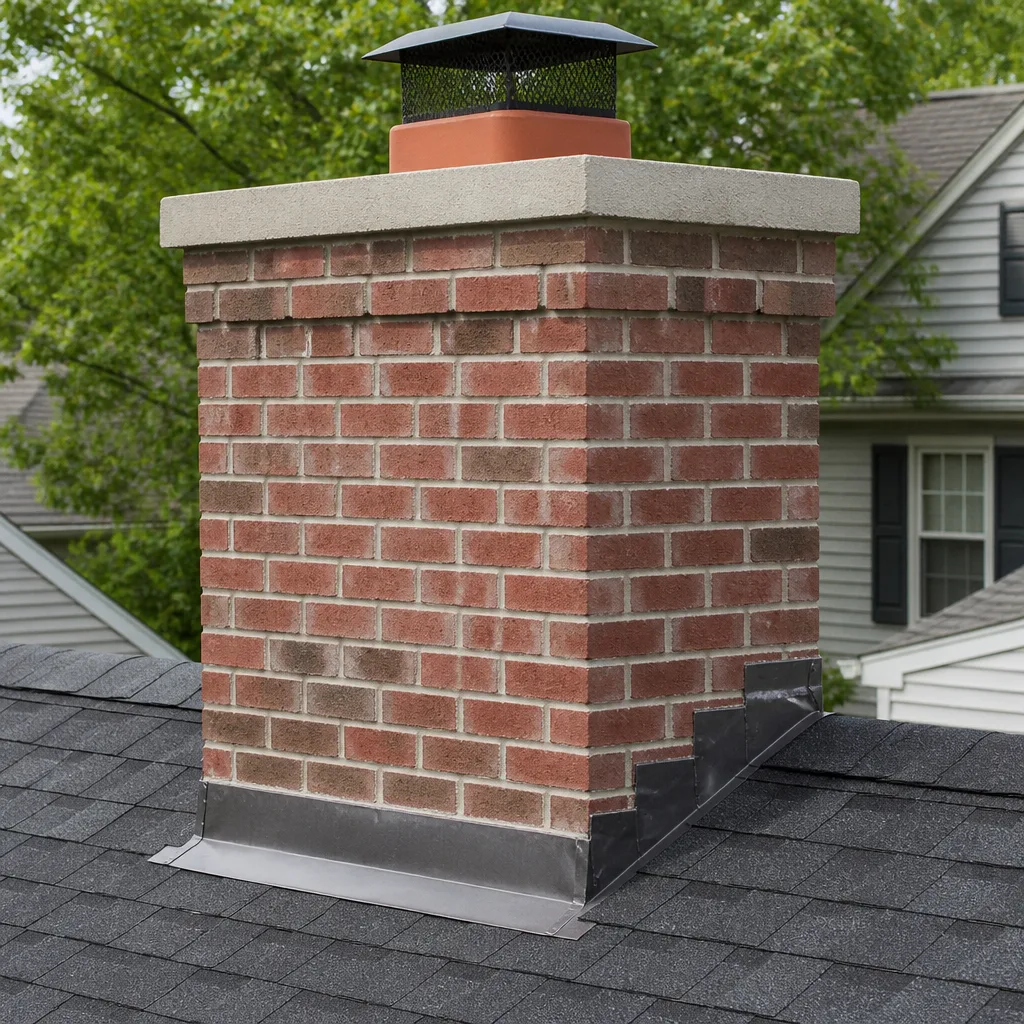 Masonry repair
 Gas fireplace service
Level 1 sweep and inspection to the NFPA 211 annual standard - flue, crown, cap, and flashing checked and photographed
Chimney sweep logs do not sweep chimneys. They loosen some creosote - which then falls where a brush and vacuum still have to collect it.
Chimney Cleaning Permits, Codes & Inspections in Mesa, AZ: What You Need to Know
No permit is required to clean your chimney. But if the technician finds a cracked firebox and patches it without a permit, that’s your problem at resale – not theirs. Most Mesa homeowners assume the person on the roof handles whatever paperwork the job needs. In most cases there isn’t any paperwork, because cleaning is maintenance, not construction. The trouble starts when a cleaning turns into a repair and nobody draws the line between the two. This guide draws that line clearly: which chimney services trigger permits in Mesa, how NFPA 211 applies locally, what a Level II inspection actually requires, and how unpermitted repair work can follow you into an insurance claim or a home sale.
Quick Answer
Routine chimney cleaning and inspection in Mesa do not require a permit. Repairs that change or replace part of the chimney structure – relining, firebox rebuilding, masonry repair, or flue resurfacing – generally do require a permit from the City of Mesa, and the work must meet current code and NFPA 211 standards. The cleanest way to protect yourself is to ask any contractor, before work begins, whether their repair will be permitted and inspected. If the answer is vague, that’s your signal to slow down.
Styles & brands we work with
- Sweep & inspection
- Caps & crowns
- Flue relining
- Masonry repair
- Gas fireplace service
Table of Contents
- Which Chimney Services Need a Permit in Mesa?
- How NFPA 211 Applies to Mesa Chimneys
- What a Level II Inspection Actually Requires
- Noting a Defect vs. Making a Repair: Why the Line Matters
- How to Ask a Contractor About Permits
- Insurance and Resale Consequences of Unpermitted Work
- Mesa Heat, Dust, and What It Does to a Chimney
- When to Call a Professional
Which Chimney Services Need a Permit in Mesa?
The simplest rule: cleaning and inspection are maintenance, and maintenance doesn’t need a permit. Anything that alters the chimney’s structure or its flue system is construction work, and construction work in Mesa is permitted and inspected. The dividing line is whether the job changes the physical system or just removes creosote and debris from it.
Here’s how the work usually splits:
- No permit typically required: a standard chimney sweep, a Level I or Level II inspection, a camera scan of the flue, a dryer vent cleaning, and minor hardware adjustments like reattaching a damper handle or a cap that has come loose.
- Permit typically required: installing a new flue liner or replacing an existing one, rebuilding a firebox, repairing or replacing damaged masonry, chimney crown work, and any structural change to the chimney chase itself.
- Case by case: HeatShield flue resurfacing. Because it restores the liner in place rather than replacing it, the permit picture depends on how the work is classified and how much of the flue is affected. Ask specifically, and get the answer in writing before work starts.
One caution about anything you read online, including this guide: permit requirements are set by the City of Mesa and can change. The authority is the city’s building department, and a quick call there settles the question for your specific address. We tell every Mesa homeowner the same thing – if a contractor can’t tell you whether their repair needs a permit, call the city and ask. The answer takes a few minutes and protects you for years.
How NFPA 211 Applies to Mesa Chimneys
NFPA 211 is the national standard for chimneys, fireplaces, vents, and solid fuel appliances. Mesa’s building codes reference standards like it, which means the standard isn’t just a piece of trade literature – it’s the yardstick an inspector uses when deciding whether a chimney is safe and properly built. Understanding it helps you have a real conversation with any contractor.
The parts of NFPA 211 that come up most often in a Mesa home:
- Clearances to combustibles. The standard sets how far wood framing, sheathing, and other combustible material must sit from the chimney. Older Mesa homes sometimes have clearances that were accepted when they were built but don’t meet the current standard – which is exactly the kind of thing a Level II inspection uncovers.
- Flue liner requirements. A flue is supposed to have a continuous liner in sound condition. Cracks, gaps, and missing sections are defects, not cosmetic issues.
- Chimney height and termination. How far the chimney extends above the roof and nearby structures affects draft and safety.
- Inspection levels. NFPA 211 defines the three inspection levels – Level I, II, and III – and when each is appropriate.
In our experience, the standard matters most at two moments: when a technician is deciding whether a chimney is safe to use, and when a repair is being designed. A repair that ignores clearances or liner continuity might pass a casual look and still fail an inspector’s eye. We work with pro-grade materials from manufacturers like Olympia Chimney and DuraFlex specifically because those components are engineered to meet the standard rather than approximate it.
What a Level II Inspection Actually Requires
A Level II inspection is the one most Mesa homeowners need and the one most people have never had. It’s required whenever there’s a change in the system – a new appliance, a change in fuel type, a chimney that has suffered a chimney fire or a seismic event, or a property sale – and it’s the appropriate inspection for any chimney that hasn’t been looked at in years.
What it actually involves:
- A visual inspection of accessible portions of the chimney exterior and interior, the firebox, the damper, and the appliance connection.
- A video camera scan of the flue to see the inside of the liner from top to bottom. This is the step that separates a real inspection from a glance.
- Checking clearances and construction against NFPA 211, including the areas around the chimney where it passes through the roof and floors.
- A written report describing what was found, what’s safe, what needs attention now, and what can wait.
Ask for the camera footage. A technician who has scanned the flue can show you the cracked tile or the gap in the liner, and you can see it for yourself. A technician who only tells you the flue is bad without evidence is asking you to take a costly claim on faith. In our work around Mesa, we show the footage and hand over the report, because a homeowner who can see the problem makes a better decision than one who’s simply told about it.
Noting a Defect vs. Making a Repair: Why the Line Matters
This is the distinction that catches people, and it’s worth understanding before anyone gets on your roof. A cleaning company can note a defect. Notes are observations – “the flue liner has a crack at this height” – and they carry no permit, no inspection, and no accountability beyond the accuracy of the note itself. Making a repair is different. It changes the system, it’s construction work, and it’s where permits, code compliance, and liability live.
The legal weight lands on the homeowner, not the technician. If a sweep notes a crack and patches it as a courtesy, and the patch is done without a permit where one was required, the record shows unpermitted work on your property. When you sell, when you refinance, when you file a claim, that record is attached to your address, not to the person who did the work.
This is why the scope of what a company offers matters. A sweep-and-leave operation can only note. A full-service company can diagnose, document, and then perform the repair properly – with the right materials, the right paperwork, and the same crew accountable for both the finding and the fix. When we find a problem, we show you the evidence, explain whether the repair needs a permit, and we have the materials and the brands to do the work correctly. If the honest answer is that the job can safely wait, we say so.
How to Ask a Contractor About Permits
You don’t need to know the code to protect yourself. You need one good question, asked early, and a clear sense of what a good answer sounds like. Ask before any repair is scheduled, not after.
- Ask directly: “Will this repair require a permit from the City of Mesa?” A professional will answer with a clear yes or no, or with “it depends on X, and I’ll find out.” All three are fine answers. “You don’t need to worry about that” is not.
- Ask who pulls the permit. If a permit is needed, the contractor should be able to tell you who files for it and who meets the inspector.
- Ask for the inspection result. Permitted work gets inspected. Ask to see documentation that the inspection passed.
- Watch for resistance. If a contractor gets defensive, dismisses the question, or says permits are “just paperwork,” treat that as a warning. The same person who skips a permit may skip a step you can’t see.
- Get it in writing. Scope of work, whether a permit applies, and the materials to be used – all in the estimate.
If you’re ever unsure, call the City of Mesa building department and describe the work. They’ll tell you what’s required. It’s a normal question and they answer it every week.
Insurance and Resale Consequences of Unpermitted Work
Most homeowners don’t think about insurance until a claim is denied. In Arizona, a typical homeowner policy covers sudden, accidental damage – but it can exclude or reduce coverage for losses tied to work that wasn’t permitted or inspected. If a chimney fire or carbon monoxide incident traces back to a repair that never went through the city, the insurer may have grounds to dispute the claim. That’s the part no one warns you about.
Resale is the other pressure point. A buyer’s inspector will look at the chimney, and a good one will notice work that doesn’t match the permit history on the property. Unpermitted repairs can stall a sale, force a re-inspection, or push the buyer to demand a credit. In a market like Mesa’s, where homes change hands regularly, a permit record is a small piece of paper that can save a large headache.
The practical rule: any repair significant enough to require a permit is significant enough to affect your insurance and your home’s record. Do it right the first time, keep the paperwork, and let the inspection be part of the job rather than something you discover years later.
Mesa Heat, Dust, and What It Does to a Chimney
Mesa’s climate shapes how chimneys wear, and it shapes when inspections make sense. The summers are long and hot, and the intense dry heat expands and contracts masonry and metal components over thousands of cycles. It’s not the freeze cycles you read about in cold-climate chimney guides – it’s the steady grind of heat and cooling on materials that were never meant to move much.
Dust is the other local factor. Fine desert dust gets into chimney caps, settles on dampers, and works into masonry joints over time. A chimney that sits unused through the hot months can collect enough debris to affect draft when the first fire of the season is lit. That’s one reason fall is the right time for a sweep around Mesa, before the burning season begins, rather than waiting until the fireplace is already in use.
Creosote is the same hazard here as anywhere – it’s a flammable residue that builds up with every fire and can fuel a chimney fire if it’s not removed. Carbon monoxide is the other concern, and it’s the reason a blocked or damaged flue is a safety issue rather than a maintenance note. The dry climate doesn’t remove those risks; it just changes the timetable for the wear that creates them.
When to Call a Professional
Call a professional when you don’t know the last time your chimney was inspected. Call when you’ve moved into a Mesa home and there’s no service record in the paperwork. Call when the fireplace has a strong odor, when smoke backs into the room, when you can see cracked masonry or a loose cap, or when you notice soot or creosote flaking around the firebox. Call before you sell or refinance, because a Level II inspection protects the transaction. And call when the first fire of the season doesn’t draft the way it used to.
Mesa Chimney Sweep offers free estimates in Mesa – call (866) 796-7711. We answer 24/7. Fast dispatch from 7am to 7pm, Sunday through Friday. Our technicians have up to 11 years of experience, and we handle sweeping, repair, relining, and dryer vent cleaning in one visit, so the full system gets looked at rather than just the part you called about.
See the difference
 Before
 After
 Before
 After
 Before
 After
Common Mistakes to Avoid
- Assuming cleaning includes a permit. Cleaning doesn’t need one, but the repair that follows might. Ask which part of the job is which before work begins.
- Accepting an unpermitted patch. If a sweep patches a cracked firebox or a damaged flue without a permit where one was required, the record lands on your address. A small repair done off the books can cost more at resale than the repair itself.
- Replacing the flue based on a verbal warning. Relining is a major expense. Ask for the camera footage and the written inspection report before you agree to anything. You have every right to see the evidence.
- Skipping the inspection because the sweep “looked at it.” A cleaning visit is not a Level II inspection unless a camera scan and a written report are part of the job. Confirm which one you’re getting.
- Forgetting the dryer vent. It’s the second most common household exhaust fire hazard, and it’s easy to overlook when the chimney is the thing on your mind. Have it cleaned as part of the same visit.
- Waiting until the fireplace is in use. Late summer and fall are the right time to schedule a sweep in Mesa, before burning season – not after the first smoky fire of the year.
- Hiring on price alone. A low quote that skips the camera scan, the written report, or the permit is a different job than the one you think you’re buying.
Frequently Asked Questions
No. Routine chimney cleaning and inspection in Mesa do not require a permit because they’re maintenance, not construction. A permit question only arises when a cleaning leads to a repair that alters the flue, the firebox, or the chimney structure. Call (866) 796-7711 for an exact quote – estimates are free.
Repairs that change the chimney structure generally require a permit – installing or replacing a flue liner, rebuilding a firebox, masonry repair, and crown work among them. Because requirements can change and some jobs fall in a gray area, confirm with the City of Mesa building department for your specific address. Any contractor who won’t discuss it clearly is not the one to hire.
Noting a defect is an observation with no permit and no construction; making a repair changes the system and carries code compliance and liability with it. The record of unpermitted work attaches to your property, not to the technician, so the distinction matters most to you. Ask which one you’re getting before work starts. Call (866) 796-7711 – estimates are free.
A Level II inspection includes a visual inspection of the accessible chimney and firebox, a video camera scan of the entire flue, a check of clearances against NFPA 211, and a written report. It’s the appropriate inspection for a home of unknown service history or a property sale. Ask for the camera footage so you can see what the technician saw.
It can. A policy may reduce or dispute coverage for a loss tied to work that wasn’t permitted or inspected. If a chimney fire or carbon monoxide issue traces back to an unpermitted repair, the claim can be complicated in ways that have nothing to do with the repair itself. A permit and a passed inspection are the paper trail that protects you. Call (866) 796-7711 for a free estimate on doing it correctly.
Once a year for a home with regular fireplace use, and before the burning season begins. If the chimney hasn’t been inspected in years or you’ve just moved into the home, start with a Level II inspection. In our experience, the annual visit is what catches small defects before they become permitted repairs. Call (866) 796-7711 – estimates are free.
When you’re ready to schedule, our chimney sweep service covers the inspection, the cleaning, and the written report in one visit. For the full picture of what we do, see Mesa Chimney Sweep, and if you’re researching other communities, our Mesa page covers the surrounding area. Our repair and relining work uses pro-grade components from manufacturers like Gelco, Famco, and Copperfield, and our HeatShield resurfacing can restore a damaged flue liner in place when a full relining isn’t necessary.
The Bottom Line
Cleaning your chimney in Mesa takes no permit. The repair that follows might, and that single distinction is what separates a safe, insurable home from one with a paperwork problem waiting at resale. Ask any contractor directly whether their repair will be permitted and inspected, ask to see the camera footage and the written report, and treat resistance to either question as a warning. Everything you need to know is in the report – you just have to insist on getting one. Do that, and the chimney on your roof is a record you can stand behind.
Written by the team at Mesa Chimney Sweep.