
Last updated November 15, 2026
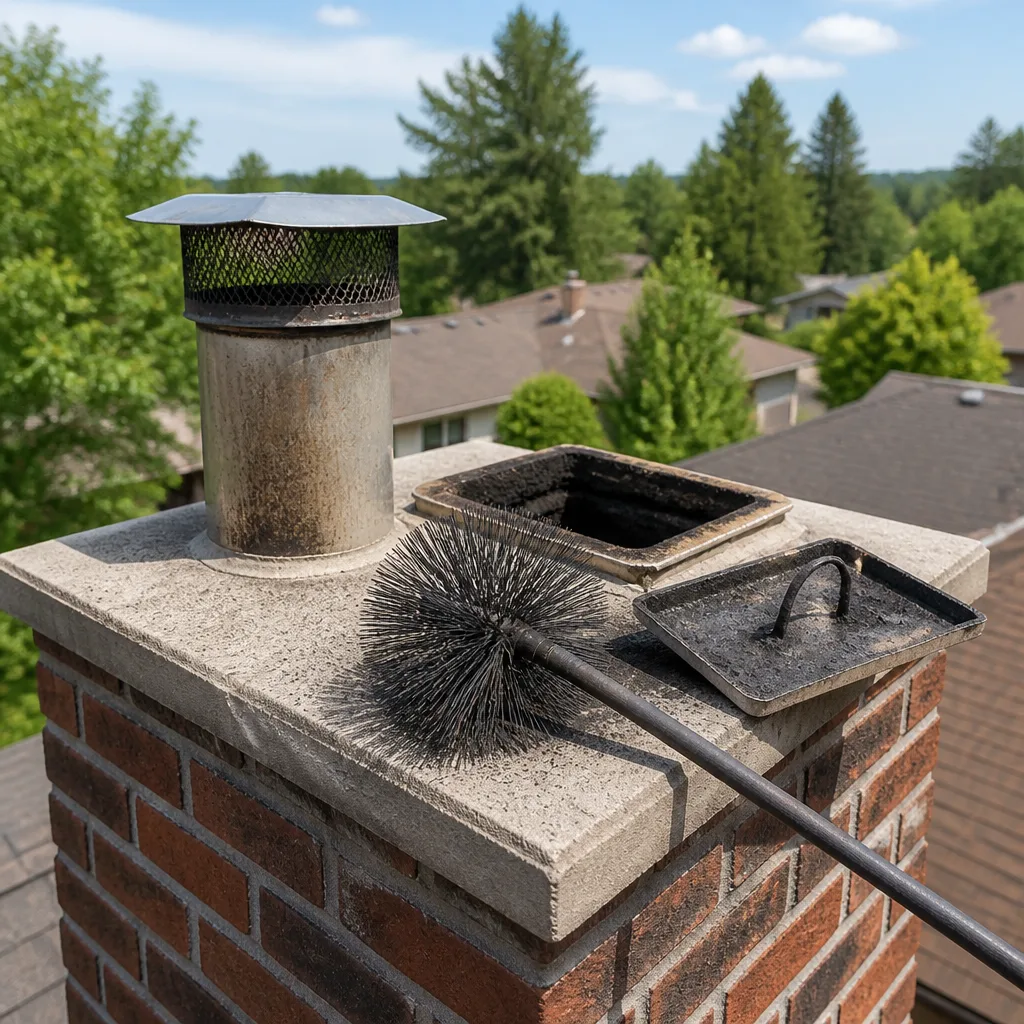 Sweep & inspection
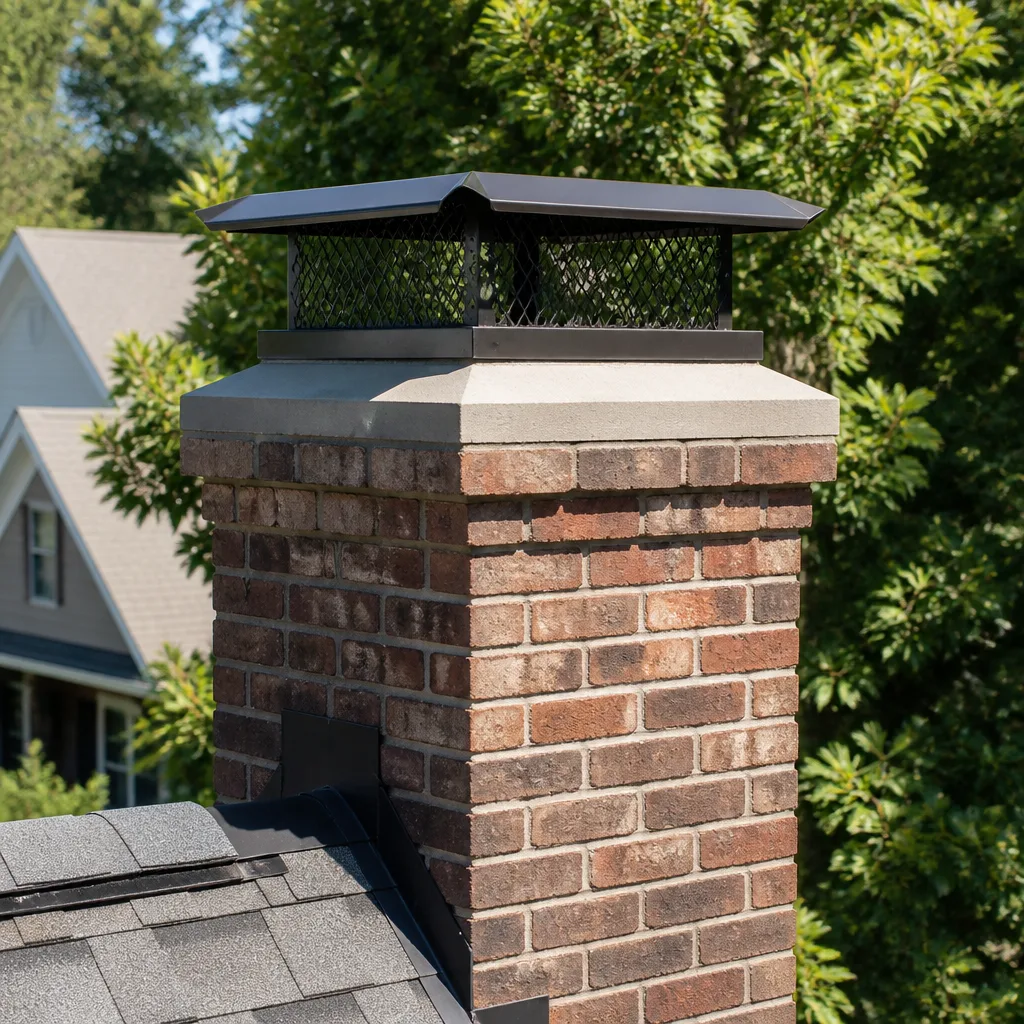 Caps & crowns
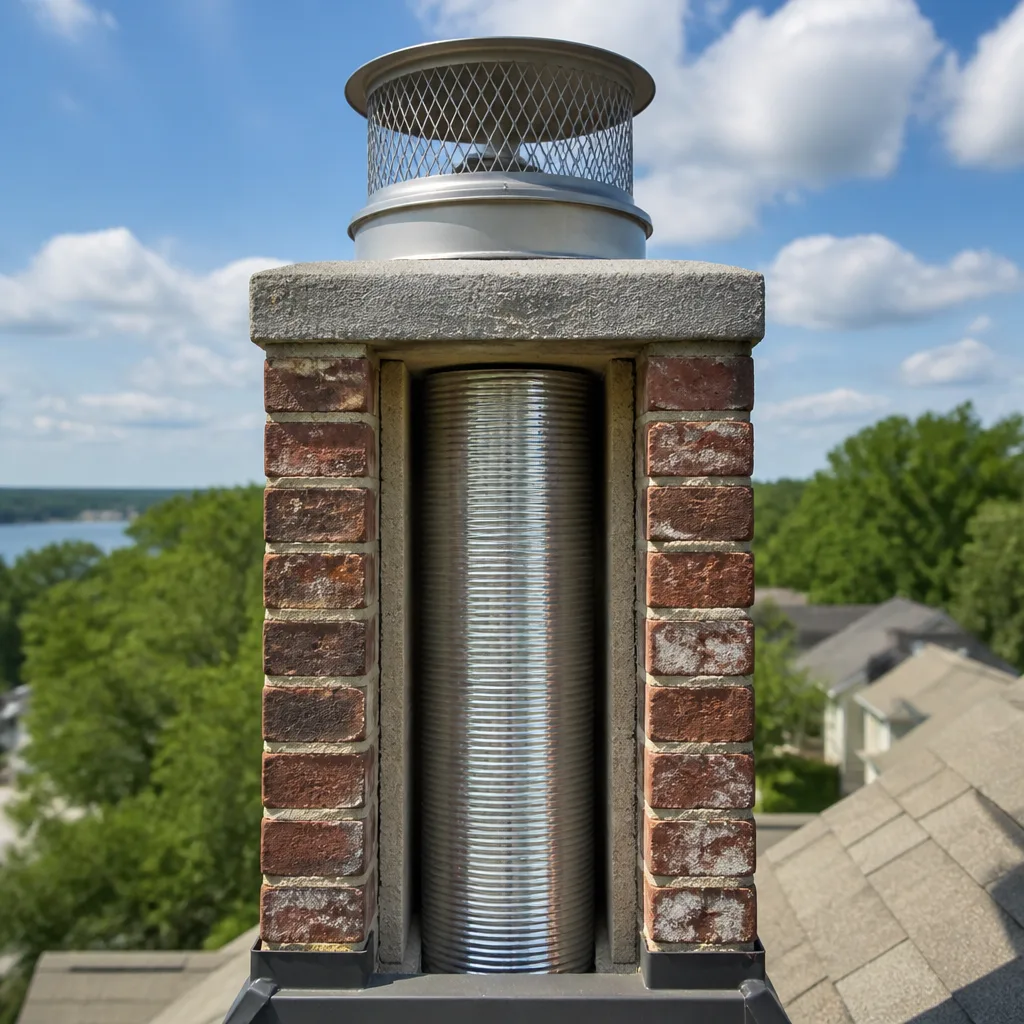 Flue relining
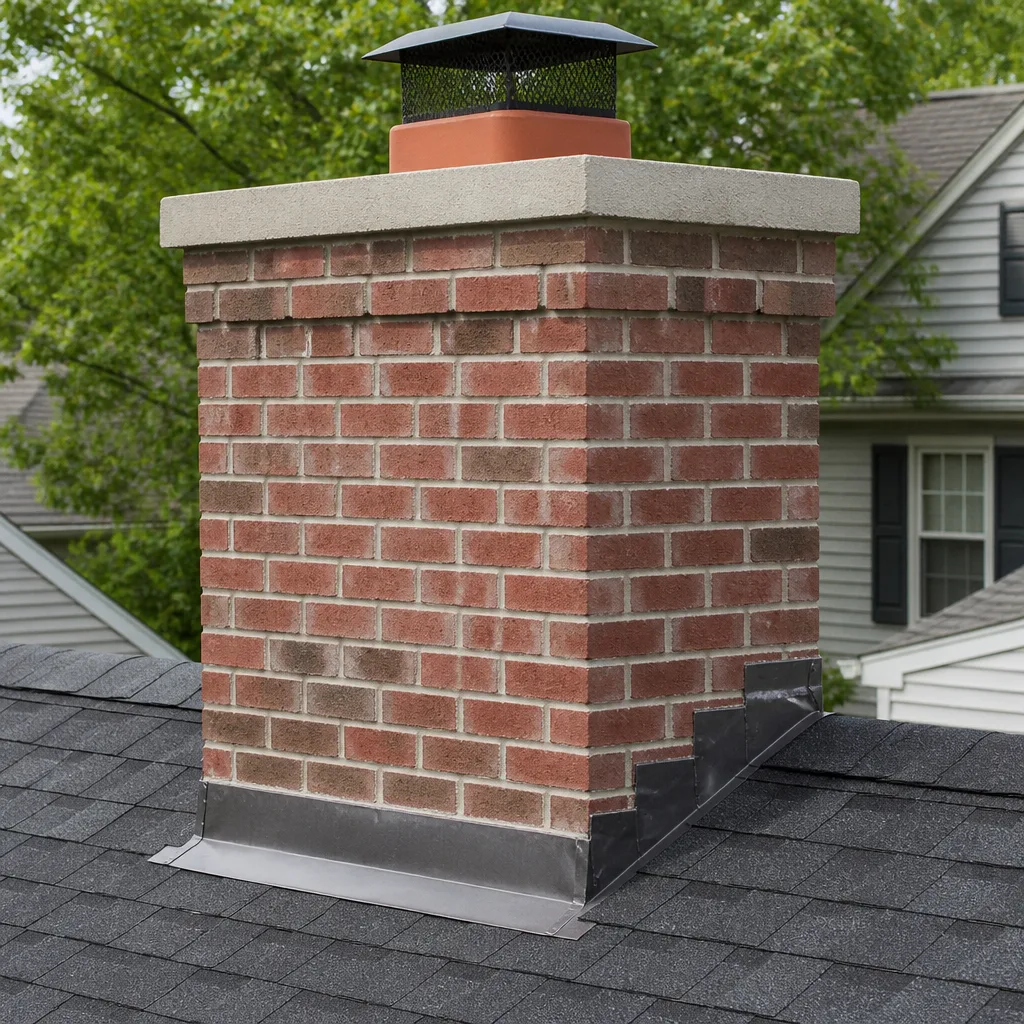 Masonry repair
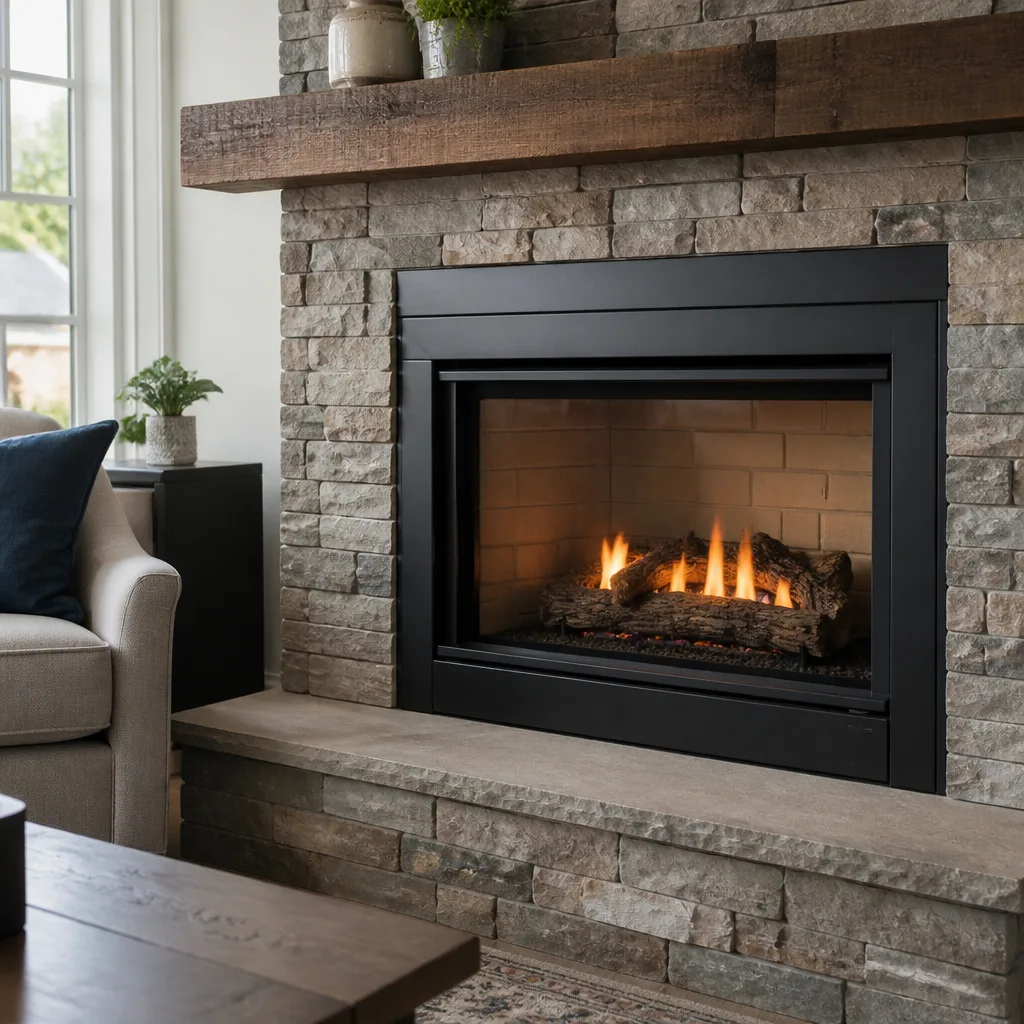 Gas fireplace service
Level 1 sweep and inspection to the NFPA 211 annual standard - flue, crown, cap, and flashing checked and photographed
Chimney sweep logs do not sweep chimneys. They loosen some creosote - which then falls where a brush and vacuum still have to collect it.
Chimney Cleaning Cost Breakdown: The Mesa Homeowner’s Reference for 2026
A $79 chimney cleaning and a $299 chimney cleaning can both be fair prices. They can also both be rip-offs. The number alone tells you almost nothing, because what separates a fair quote from an expensive one usually isn’t the cleaning at all. It’s the scope: what gets inspected, what gets documented, whether the company can actually fix what it finds, and whether the price you were quoted covers the work or just gets you in the door. In Mesa, where wood-burning fireplaces still get real use through the cooler months, the spread between quotes is wide for reasons that have nothing to do with quality. This reference walks through every line item you’re likely to see on a 2026 Mesa chimney cleaning quote so you can compare two estimates on equal footing instead of comparing two numbers that mean different things.
Quick Answer
A standard chimney sweep in the Mesa market typically runs about $150 to $350, with most homes landing near the middle once the firebox, flue, and smoke chamber are all cleaned. A Level II inspection with a camera adds roughly $100 to $250 depending on access and how much documentation you want. Repairs and relining are separate and priced by the job, from a few hundred dollars for resurfacing up to several thousand for a full stainless liner. The written estimate always sets the final price, and the free estimate is where those numbers get locked down for your specific chimney.
Styles & brands we work with
- Sweep & inspection
- Caps & crowns
- Flue relining
- Masonry repair
- Gas fireplace service
Table of Contents
- Why chimney cleaning prices vary so much from one Mesa quote to the next
- What a chimney cleaning actually costs in Mesa in 2026
- Level I vs. Level II inspections: what “inspection included” really means
- The line items you should always ask to see broken out
- When a low quote is legitimate and when it signals a bait-and-switch
- How to compare two quotes with different scopes side by side
- Common repair costs and when they’re actually necessary
- Common mistakes to avoid
Why chimney cleaning prices vary so much from one Mesa quote to the next
Three quotes for the same fireplace can come back at $99, $219, and $340. That spread is real and it isn’t random. It usually comes down to four variables, and once you know them you can spot which quote is which.
- Scope. A sweep-only visit cleans the flue. A full service cleans the flue, firebox, smoke chamber, and damper, then documents condition with photos. These are different jobs with different time on site.
- Inspection type. A Level I inspection is visual and quick. A Level II uses a camera up the flue and produces a report. The camera work takes time and equipment, and that shows up in the price.
- Materials and disposal. Creosote removal, drop cloths, HEPA vacuuming, and hauling away soot all cost the provider money. A company that skimps here can quote lower and still make a margin.
- Whether they can repair. This is the big one. A sweep-only operation has to refer repair work elsewhere. A company that also does chimney repair and relining can quote a realistic all-in number because they know what the fix looks like. Those two business models produce very different quotes for the same house.
Mesa has its own wrinkle. Many homes here were built in the 1970s through the 1990s, and the fireplaces in that era of construction often have prefab or masonry flues that have gone years without service. When a technician opens one up and finds heavy glazed creosote or a cracked liner tile, the honest quote reflects that. The quote that ignores it stays low and stays useless. Our technicians have up to 11 years of experience, and most of that time has been spent on exactly this kind of mid-century and late-century Mesa housing stock.
What a chimney cleaning actually costs in Mesa in 2026
Here are the ranges we see quoted in the Mesa market for 2026. These are typical estimates, not exact prices, and the written estimate for your specific chimney is the only number that counts.
| Service | Typical Mesa range (2026) | What’s usually included |
|---|---|---|
| Standard chimney sweep | $150 – $350 | Flue, firebox, smoke chamber, damper cleaned; basic visual check |
| Level I inspection | Often bundled with sweep | Visual check of accessible components, no camera |
| Level II camera inspection | $100 – $250 add-on | Video scan of flue interior, written or photo report |
| HeatShield flue resurfacing | Priced per job, often $800 – $2,500 | Restoring a damaged liner in place without a full reline |
| Full stainless relining (DuraFlex) | Priced per job, often $2,500 – $6,000+ | New flexible liner, insulation, termination, cap |
| Dryer vent cleaning | $125 – $250 | Full vent run cleared, lint removed, airflow checked |
The two big numbers, resurfacing and relining, are where most homeowner anxiety lives. That anxiety is fair. Nobody can look up a flue and tell whether a $3,000 liner is really needed. The way to resolve it is not to trust a number, it’s to see the evidence yourself. Any reputable company doing chimney sweep work in Mesa will show you the camera footage or the photo report so you can see the crack, the gap, or the glazed creosote with your own eyes before you authorize anything.
One more thing worth naming: the dryer vent. It’s a separate exhaust system with its own fire risk, and it’s often the second call after a chimney sweep. Dryer vent cleaning in Mesa usually runs $125 to $250 depending on vent length and how clogged it is. If your dryer is taking two cycles to dry a load, that’s a sign worth acting on.
Level I vs. Level II inspections: what “inspection included” really means
When a quote says “inspection included,” that phrase is doing a lot of quiet work. There are three inspection levels in the trade, and most quotes only include the first. Here’s the practical difference:
- Level I inspection. A visual check of the readily accessible parts of the chimney, firebox, and venting with the tools at hand. No camera. Appropriate for a well-maintained chimney that’s being swept routinely.
- Level II inspection. A camera goes up the flue and the technician reviews the interior on a screen, then documents condition with photos and a written report. Required whenever the chimney has changed, the home has changed hands, there’s been a chimney fire, or there’s any sign of a problem found at Level I.
- Level III inspection. The most involved level, done when a serious hazard is suspected and part of the chimney or surrounding structure has to be opened up to see. This is rare and priced case by case.
The Level II costs more because it produces something you can actually use: evidence. Camera footage turns a “you probably need a liner” phone call into a conversation about a visible crack on a screen. That difference matters in a market where some providers quote repairs based on nothing you can verify.
For most Mesa homeowners, the right call is a Level I bundled with the sweep, upgraded to a Level II whenever the chimney hasn’t been serviced in several years, the home is new to you, or you’ve heard any roaring sound from the flue. Our techs run the camera inspection as part of the same visit and hand you the images before any repair gets discussed.
The line items you should always ask to see broken out
A single lump-sum number on an estimate tells you nothing. Ask for the quote to be broken down so you can see what you’re actually paying for. If a provider resists breaking it out, that itself is information. Here’s the list we’d want to see on any quote, ours included:
- Labor. Hours on site and the rate. A full chimney clean takes longer than a flue-only pass, and the labor line should reflect that.
- Materials. Drop cloths, vacuum bags, sealants, liner components, HeatShield compound, and anything else that gets used. Brand names matter here, which is why we work with DuraFlex, HeatShield, Gelco, Cooperfield, Olympia Chimney, and Famco: these are the same materials chimney professionals specify, not off-the-shelf substitutes.
- Disposal. Soot and creosote have to go somewhere, and hauling it away is a real cost. A quote that doesn’t mention disposal is either including it silently or skipping it.
- Camera inspection. Broken out separately if it’s an add-on, or explicitly stated as included. Never assume.
- Repair work. If any is quoted, it should be itemized by component (liner, cap, crown, damper) with a note on why each is needed. Vague “misc repairs” lines are a red flag.
- Permits. Not every chimney job needs one, but if yours does, the cost should be visible in the estimate, not a surprise later.
A clean, itemized quote lets a homeowner compare apples to apples across providers. Two quotes with the same total but different scope lines are not the same quote, and the itemization is how you see that.
When a low quote is legitimate and when it signals a bait-and-switch
A low quote isn’t automatically a scam. Context matters. Here’s how to tell which one you’re looking at.
A low quote is legitimate when:
- The provider is genuinely a clean-and-go sweep-only service and says so up front.
- The low price is for a single flue, with a clear note that additional flues or components cost extra.
- The scope matches the price: sweep only, no inspection beyond visual, no repair capability claimed.
- The provider explains that if a repair is needed, they’ll refer you elsewhere.
A low quote signals a bait-and-switch when:
- The advertised price is dramatically below market (well under $100) and the scope is vague.
- The low price is “contingent” on something, or gets revised on site without clear cause.
- The company is set up to find a big repair on every visit and has no evidence to show you.
- The quote gets vague about camera inspection, then suddenly the inspection needs to happen and it costs extra.
- No written estimate and no paper trail. Everything is verbal.
The pattern to watch for is the one where the low price is a loss leader for a high-pressure repair sale. A homeowner in Mesa who gets a $79 cleaning offer should ask one direct question: what’s included in the $79, and what happens if you find a problem? The answer tells you a lot.
Our approach is different by design. We don’t just clean, we inspect, diagnose, and repair on the same visit. We show you what we find, and we have the parts and materials to fix it. And we say plainly when a problem can wait. Not every rough-looking flue needs work today.
How to compare two quotes with different scopes side by side
This is the part most homeowners get wrong, and it’s the part that costs the most money when done without a method. Here’s a numbered approach that works.
- Normalize the scope first. List every component each quote touches: flue, firebox, smoke chamber, damper, cap, crown. Put the two lists next to each other. A quote that covers six components and one that covers three aren’t comparable until you add scope.
- Check what inspection is included. Written as Level I or Level II? Camera or visual only? Report included? Add the cost of any missing inspection to the cheaper quote to make the comparison fair.
- Look at the labor line. If one quote is dramatically lower on labor, either the job is smaller or the technician is cutting corners. Ask which.
- Check the materials line. Are branded materials named? Are they compatible with your flue type? Off-the-shelf substitutes are cheaper for a reason.
- Compare the repair capability. If the quote is from a sweep-only provider, add the cost and hassle of a separate repair referral to their number. If the quote is from a full-service provider, discount the value of one-stop convenience accordingly.
- Ask for the warranty or guarantee in writing. Any provider should be willing to put their workmanship guarantee in writing. If they won’t, that’s the deciding factor regardless of price.
Do that, and the cheapest quote stops looking cheap and the most expensive quote stops looking overpriced. You’ll usually find the fair quote in the middle, from a provider who could do the whole job and told you so.
Common repair costs and when they’re actually necessary
Not every repair recommendation is urgent. Some things can wait a season. Some things shouldn’t wait another fire. Here’s where the common repair items sit, and how to tell the difference.
- Liner resurfacing with HeatShield. Used when the flue liner has cracks, gaps, or rough spots but still has enough structural integrity to be restored in place. This is a real alternative to a full teardown or reline, and it’s a specialized application that most single-service sweeps simply can’t do. It’s not always appropriate; when the liner is genuinely compromised, a new liner is the honest answer.
- Full relining with DuraFlex. Necessary when the existing flue is cracked through, unlined, the wrong size for the appliance, or has deteriorated past the point of resurfacing. Flexible stainless systems let the chimney be brought back to safe operation, structural repair rather than cosmetic.
- Cap, crown, and damper repairs. Smaller jobs, usually the first line of defense against water and animal intrusion. Often reasonable to address at the same visit as a sweep.
- Glazed creosote removal. The heaviest and most hazardous cleaning scenario. This can take more time and more careful handling, and the price reflects it. It’s also the scenario where skipping the service carries real fire risk, so it’s worth doing properly rather than putting off.
Our techs work with the materials the trade actually specifies, which is why we stock and install brands like HeatShield and DuraFlex. That matters less for the number on the estimate and more for whether the repair holds up through a Mesa summer and the fire season that follows.
Common Mistakes to Avoid
- Comparing a sweep-only quote to a full-service quote. Those are two different products at two different scopes. The cheaper one is usually cheaper because it does less, not because the provider is more efficient.
- Accepting a repair recommendation with no evidence. If a provider says you need $3,000 of liner work, ask to see the camera footage or the photo report. If they can’t or won’t show it, that’s your answer.
- Skipping the Level II because “the Level I was fine.” A visual inspection can’t see inside a flue that’s been through years of use. In Mesa’s older housing stock, this gap is where hidden problems live.
- Forgetting the dryer vent. The dryer vent is an exhaust system too, and it’s often overlooked while the chimney gets serviced. If the two are handled in one visit, neither gets neglected.
- Choosing a provider who can’t repair what they find. If the company that cleans your chimney has to refer you to someone else for any repair, you’ve paid twice for the visit and doubled the hassle.
- Letting a verbal quote stand in place of a written estimate. The written estimate is the number that binds. Anything else is a conversation.
- Putting off a sweep because the fireplace “still works.” Creosote buildup and liner damage don’t announce themselves. Many chimney fires start in fireplaces that seemed fine right up until the fire.
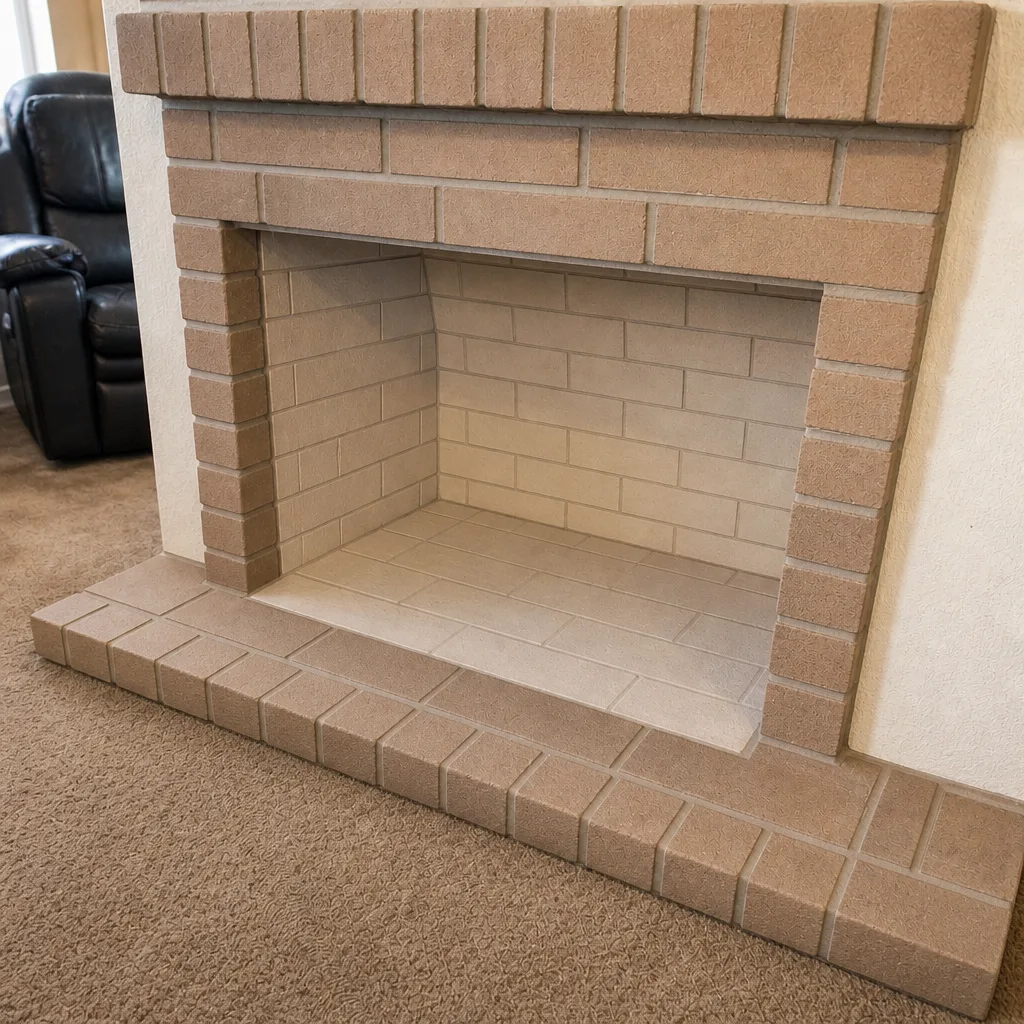
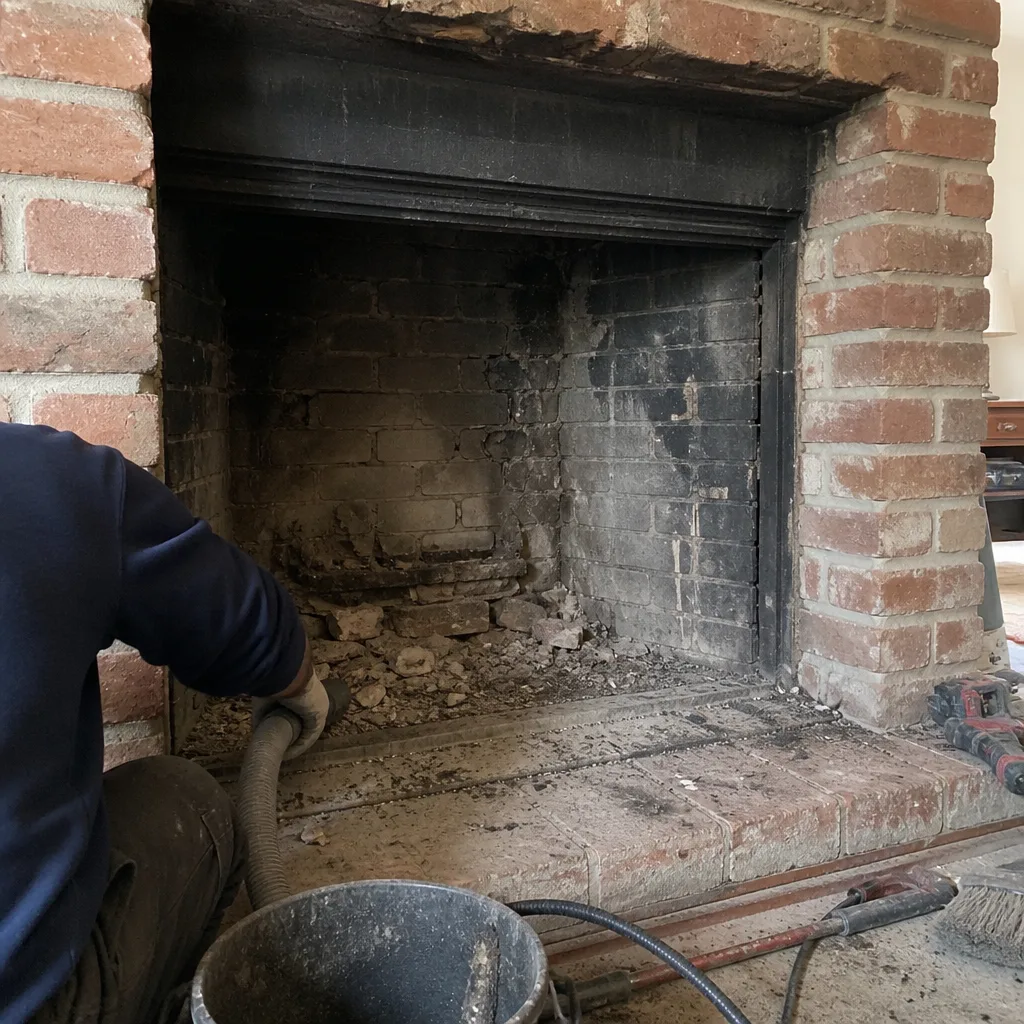
See the difference
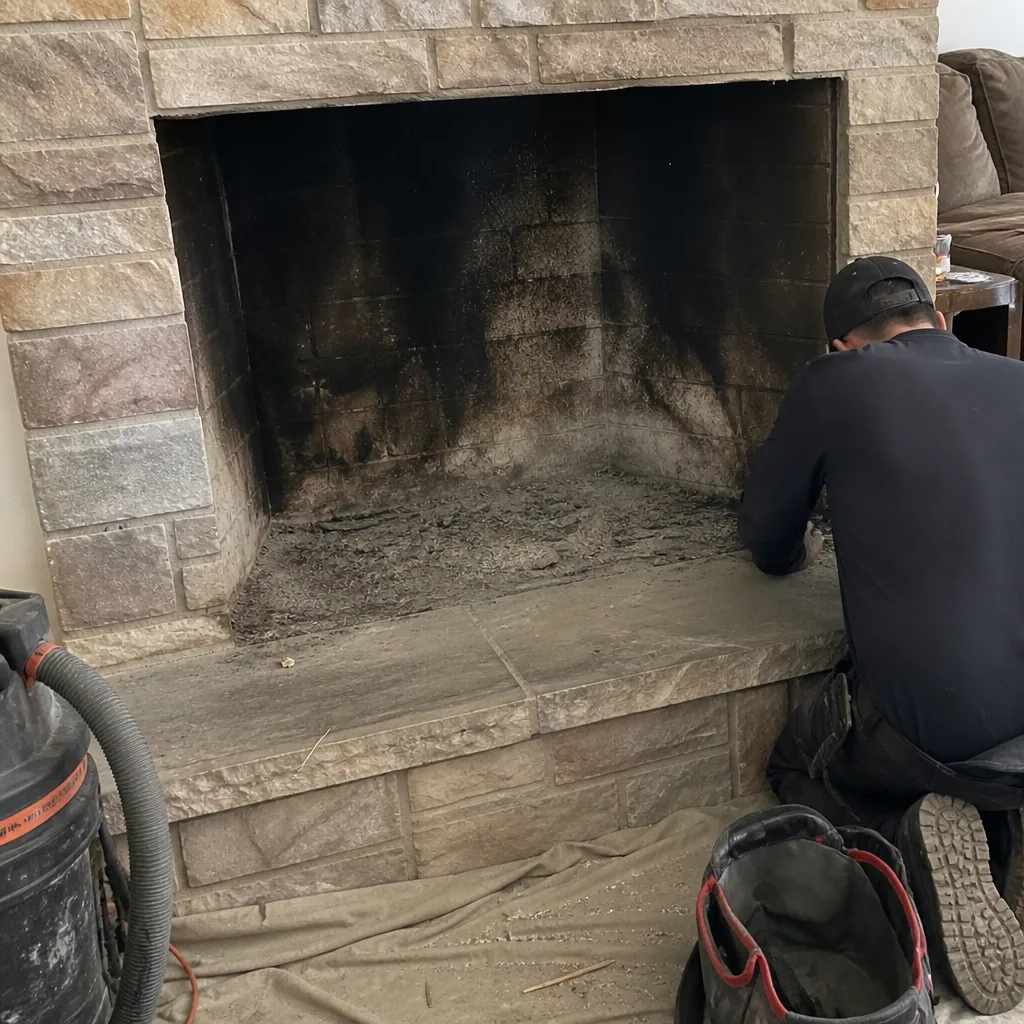 Before
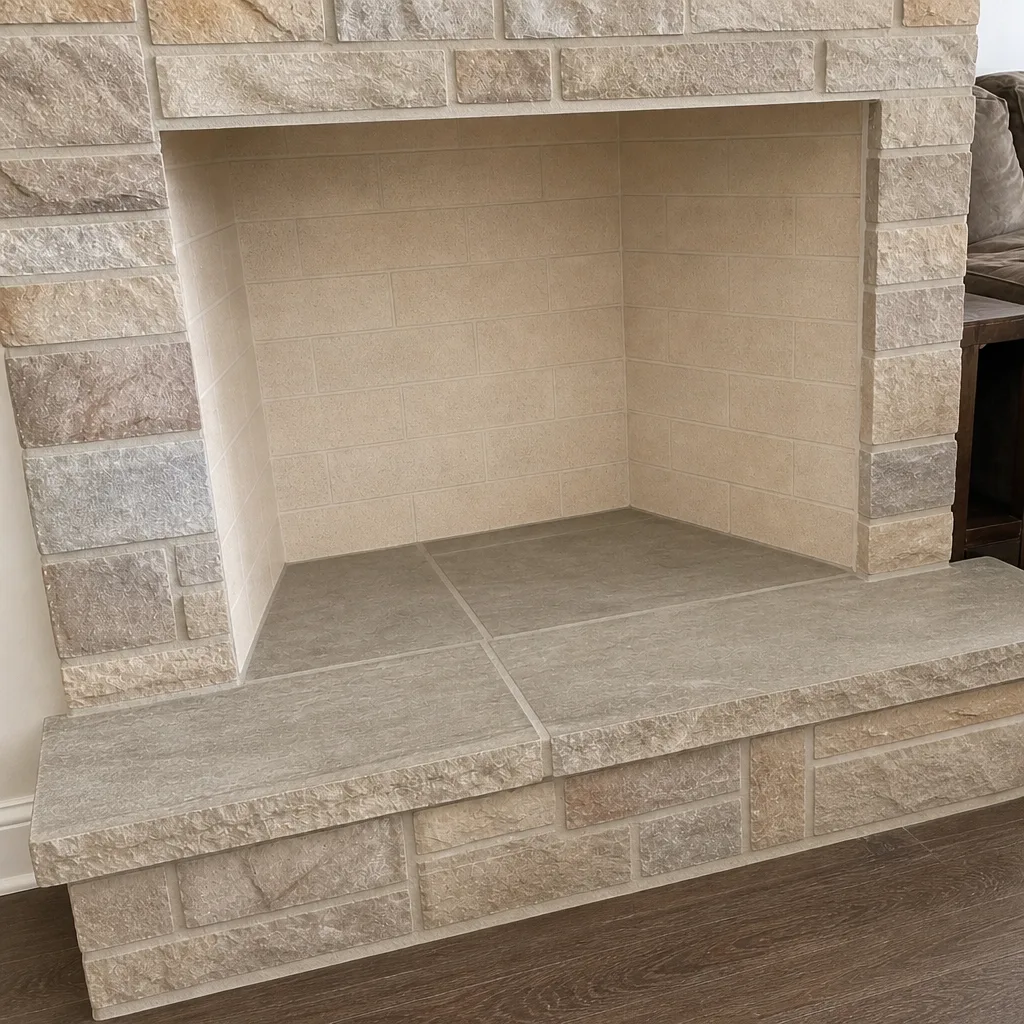 After
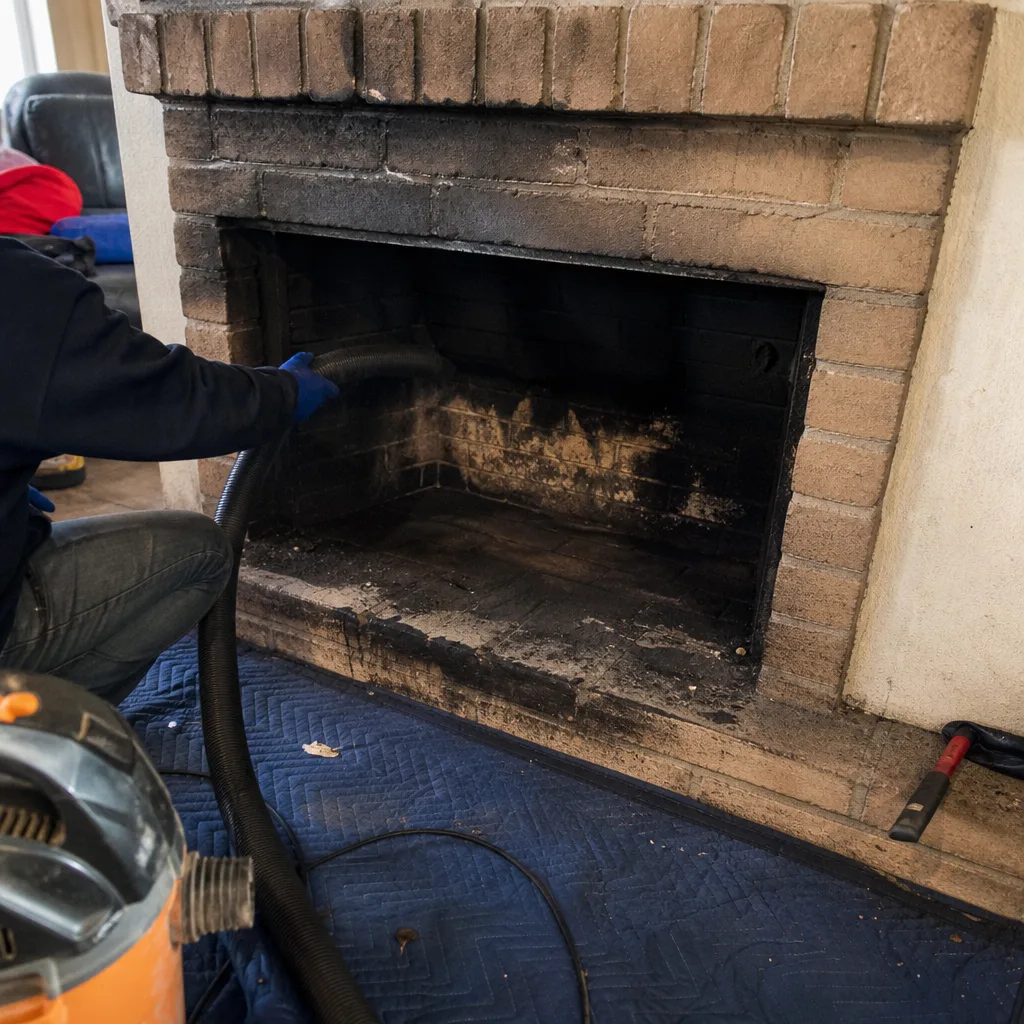 Before
 After
 Before
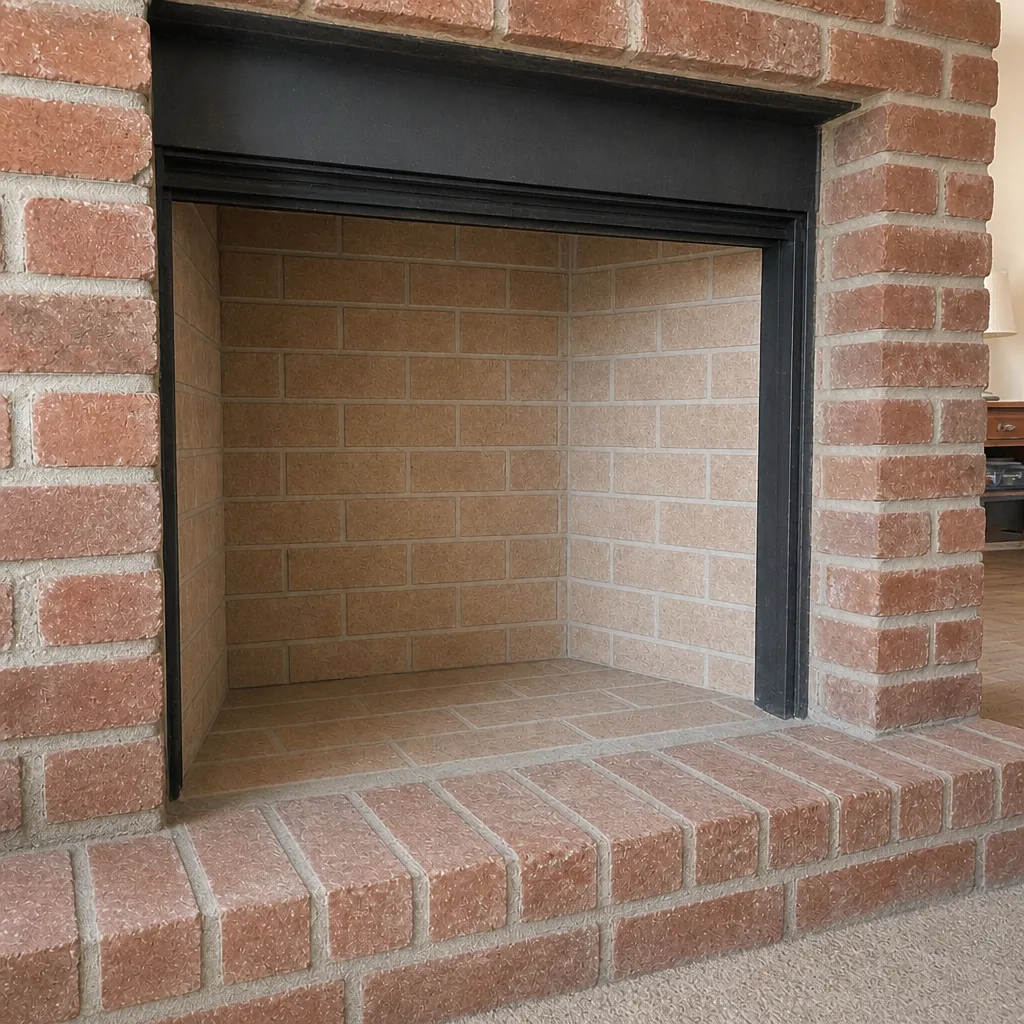 After
When to Call a Professional
You should call a professional chimney service when the chimney hasn’t been serviced in a few seasons, when you’ve heard a roaring sound from the flue, when the home is new to you and its service history is unknown, or when you see visible damage to the cap, crown, or firebox. Also call if the fireplace smokes back into the room, if the flue smells strongly between fires, or if your dryer is taking longer than it used to dry a load. The dryer point is the one people skip, and it’s the one worth not skipping. Mesa Chimney Sweep offers free estimates in Mesa, and the estimate is where you find out what your specific chimney needs rather than what a generic list says it might. Call (866) 796-7711. We answer 24/7, with fast dispatch from 7am to 7pm, Sunday through Friday.
Frequently Asked Questions
A standard chimney cleaning in the Mesa market typically runs $150 to $350 for 2026, with most homes landing in the middle once the firebox and smoke chamber are included. A camera inspection adds roughly $100 to $250. The written estimate for your specific chimney is the final word. Call (866) 796-7711 for an exact quote – estimates are free.
You need a new liner when the existing flue is cracked through, unlined, or deteriorated past the point where resurfacing will hold, and you don’t need one when the damage is limited enough that HeatShield resurfacing can restore it in place. The difference is visible on camera. We show you the footage and explain what we see before we recommend anything, and we say plainly when a liner can wait. Call (866) 796-7711 – estimates are free.
A chimney should be swept at least once a year for a home that uses the fireplace regularly, and more often if you burn a lot of softwood or notice heavy soot buildup. Homes that rarely light a fire can often go longer between sweeps, but an annual visual check is still worth doing. If it’s been several seasons, book the sweep.
Creosote builds up on the flue walls, and when it accumulates past a certain point it can ignite, causing a chimney fire that’s often not visible from outside. A damaged or blocked flue also affects how smoke and carbon monoxide vent out of the home. Both risks are real and both are greatly reduced by a regular sweep. Call (866) 796-7711 to get on the schedule – estimates are free.
Yes, in the cases where it’s needed. A Level II camera inspection is the only way to see what’s happening inside a flue that looks fine from the outside, and it’s what turns a repair quote into a conversation grounded in evidence. If your chimney hasn’t been serviced in years, the home is new to you, or a Level I inspection found any sign of a problem, the camera is worth the add-on.
Yes. Dryer vent cleaning is a core service alongside chimney work, and it’s worth doing at the same visit as a chimney sweep because both are exhaust systems with the same kind of fire risk when neglected. A clogged dryer vent is a leading cause of residential fires, which is why it’s worth treating as a safety item rather than an afterthought. Call (866) 796-7711 for a free estimate.
The Bottom Line
The number on a chimney cleaning quote isn’t the price. The price is the number plus the scope plus what’s included plus whether the provider can actually fix what they find. In Mesa, that means a sweep quote and a sweep-plus-inspection-plus-repair-capability quote are not the same product, even if the totals look close. Compare quotes on scope first, price second. Ask for the line items. Ask to see the camera evidence before any repair is authorized. When a company shows you what they find and can fix it in the same visit, you get both halves of the job: the safe cleanup and the plan for what’s next. That’s the version of this that’s worth paying for.
Mesa Chimney Sweep provides Mesa Chimney Sweep services across Mesa, including chimney sweeping, chimney repair and relining, and dryer vent cleaning. We work with industry-trusted brands like DuraFlex, HeatShield, Gelco, Olympia Chimney, Famco, and Copperfield, and our technicians have up to 11 years of experience with the local housing stock. We don’t just clean, we inspect, diagnose, and repair on the same visit, and we show you exactly what we find so you can see it for yourself before anything gets authorized.
Contact Us
Ready to know what your chimney actually needs? Call (866) 796-7711 for a free estimate. We answer 24/7, with fast dispatch from 7am to 7pm, Sunday through Friday. The written estimate is where the real number for your specific chimney gets set, and it costs you nothing to find out.
Written by the team at Mesa Chimney Sweep.